
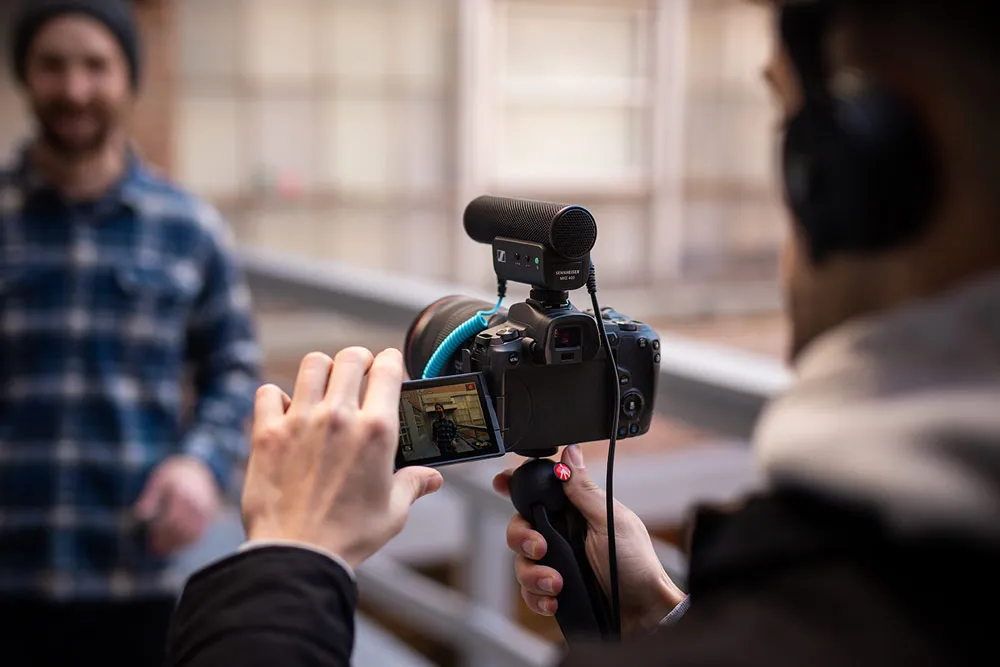
Video content dominates every platform. Every Australian business needs it, social media algorithms reward it, and every creative industry has been transformed by it. If you want to learn videography online, you are making a smart decision — the skills are in high demand, career opportunities are growing, and online learning has become the most practical and effective pathway to develop them.
But how does learning videography online actually work? What do you study, how do you practise, and how does a self-paced course compare to in-person training? This guide answers those questions so you can make an informed decision about your education.
Why Online Videography Training Works
Videography is a hands-on skill. You learn it by picking up a camera and shooting footage, editing that footage, getting feedback, and doing it again. This is exactly what a well-designed online course facilitates — often more effectively than in-person alternatives.
When you learn videography online, you practise with your own equipment in your own environment. Every technique you develop translates directly to real-world work from day one. You are not learning on a school’s equipment in a controlled classroom — you are learning on the gear you will actually use for clients, in the lighting conditions and locations you will actually encounter in Australia.
According to UNESCO’s research on digital education, online and blended learning models produce equivalent or superior outcomes compared to traditional in-person instruction across practical disciplines — a finding consistent with what our own students report.
What You Learn in an Online Videography Course
A comprehensive videography course covers the complete production process from planning through final delivery.
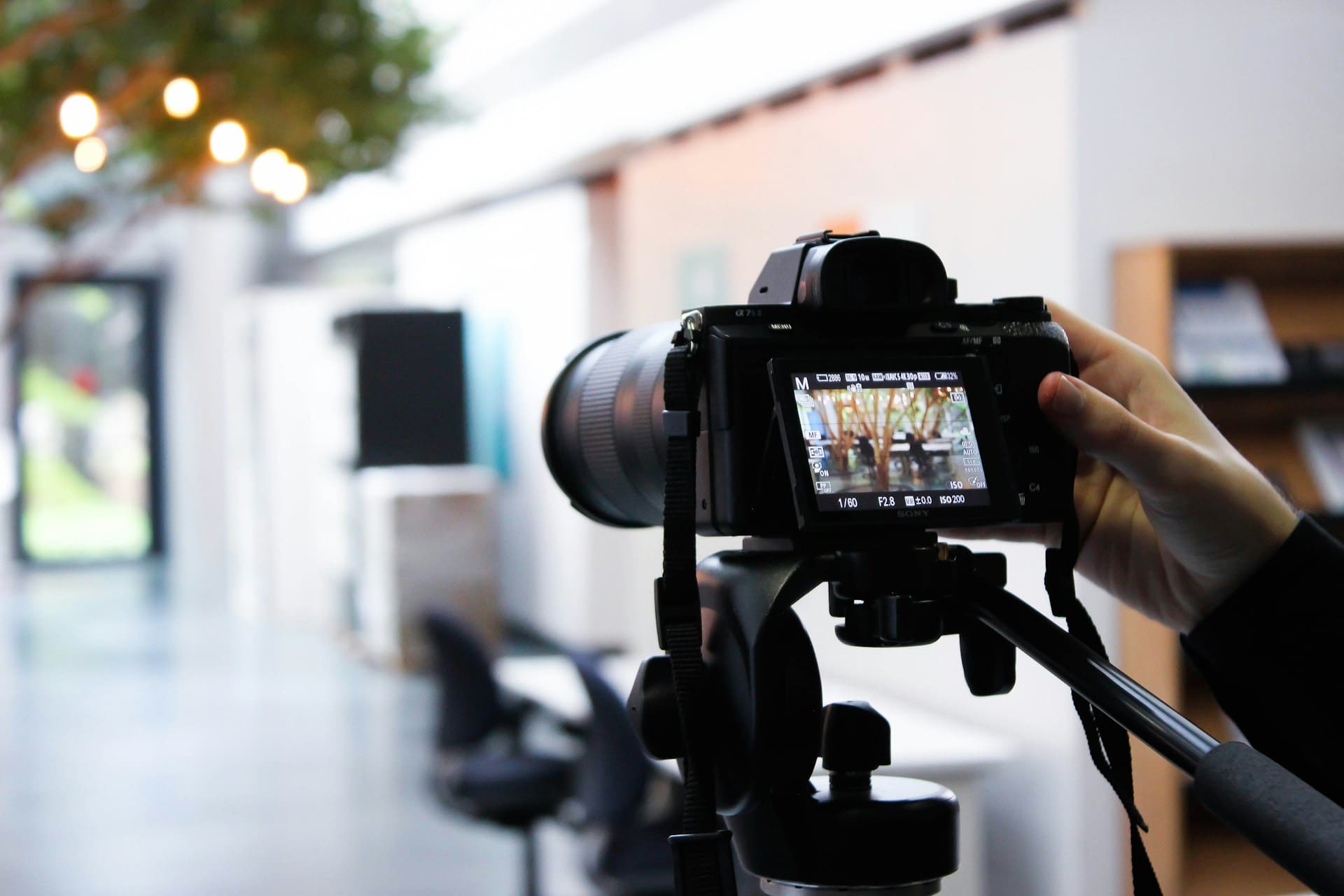
Camera operation for video introduces the specific technical requirements that differentiate video from photography. Frame rates serve different purposes — 24fps creates cinematic feel, 25fps is the Australian broadcast standard, 60fps enables slow motion. The 180-degree shutter rule determines your shutter speed based on frame rate. Picture profiles and log colour modes capture maximum dynamic range for grading flexibility.
Audio recording is the element most beginners neglect and clients notice first. You will learn to record clean dialogue with lavalier and shotgun microphones, monitor audio levels on location, and troubleshoot common problems. Our professional interview filming guide covers audio techniques in depth, and our DSLR video guide covers camera setup specifics.
Composition and camera movement cover static shots, pans, tilts, tracking movements, and handheld techniques. Each communicates differently to the viewer. You will learn shot types — wide, medium, close-up, cutaway — and understand when each serves the story.
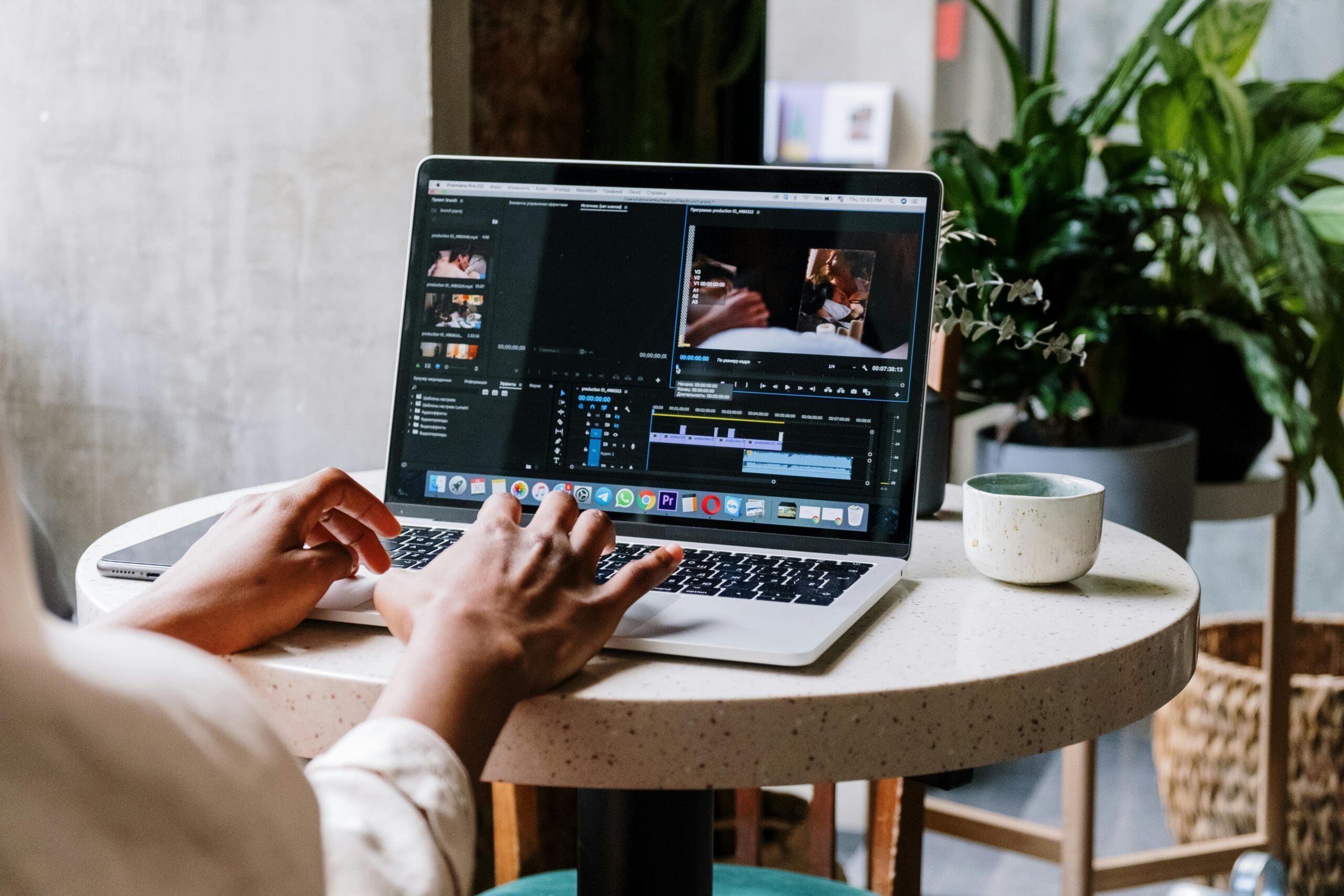
Video editing teaches the end-to-end post-production process. Import and organise footage, assemble rough cuts, refine pacing, add music and sound effects, colour grade, and export. DaVinci Resolve from Blackmagic Design is free, industry-standard, and used on professional productions worldwide. Our video editing guide compares all major software options.
Storytelling and structure are what separate clips from compelling video. Shot lists, B-roll, narrative pacing, and holding attention from first second to last.
How Self-Paced Learning Works
Self-paced means you control the schedule. Access course materials online — video lessons, written guides, assignments, resources — and work through them at whatever speed suits your life. Some students complete modules in intensive weekend sessions. Others study an hour or two each evening.
Our Certificate in Videography is designed for completion within six months at three to five hours per week, with twelve months of access to accommodate any schedule. This flexibility is valuable for Australians balancing work, family, and the reality of vast geographic distances that make in-person training impractical for many.
Each module includes practical assignments requiring you to pick up your camera and create. You film, edit, and submit work for feedback from professional tutors who provide specific, actionable guidance.
Equipment Needed
A camera capable of shooting video (included with our videography course), a basic microphone — a Rode VideoMicro or VideoMic Pro ($100–$350 AUD) provides a dramatic improvement over built-in microphones — and a computer for editing.
Online vs In-Person in Australia
Australia’s geography makes in-person training impractical for the majority of students. Production centres are concentrated in Sydney, Melbourne, and Brisbane. Dedicated in-person video courses are expensive, require relocation or significant commuting, and run on fixed schedules.
Our online vs in-person videography comparison examines the practical differences in the Australian context.
Career Opportunities
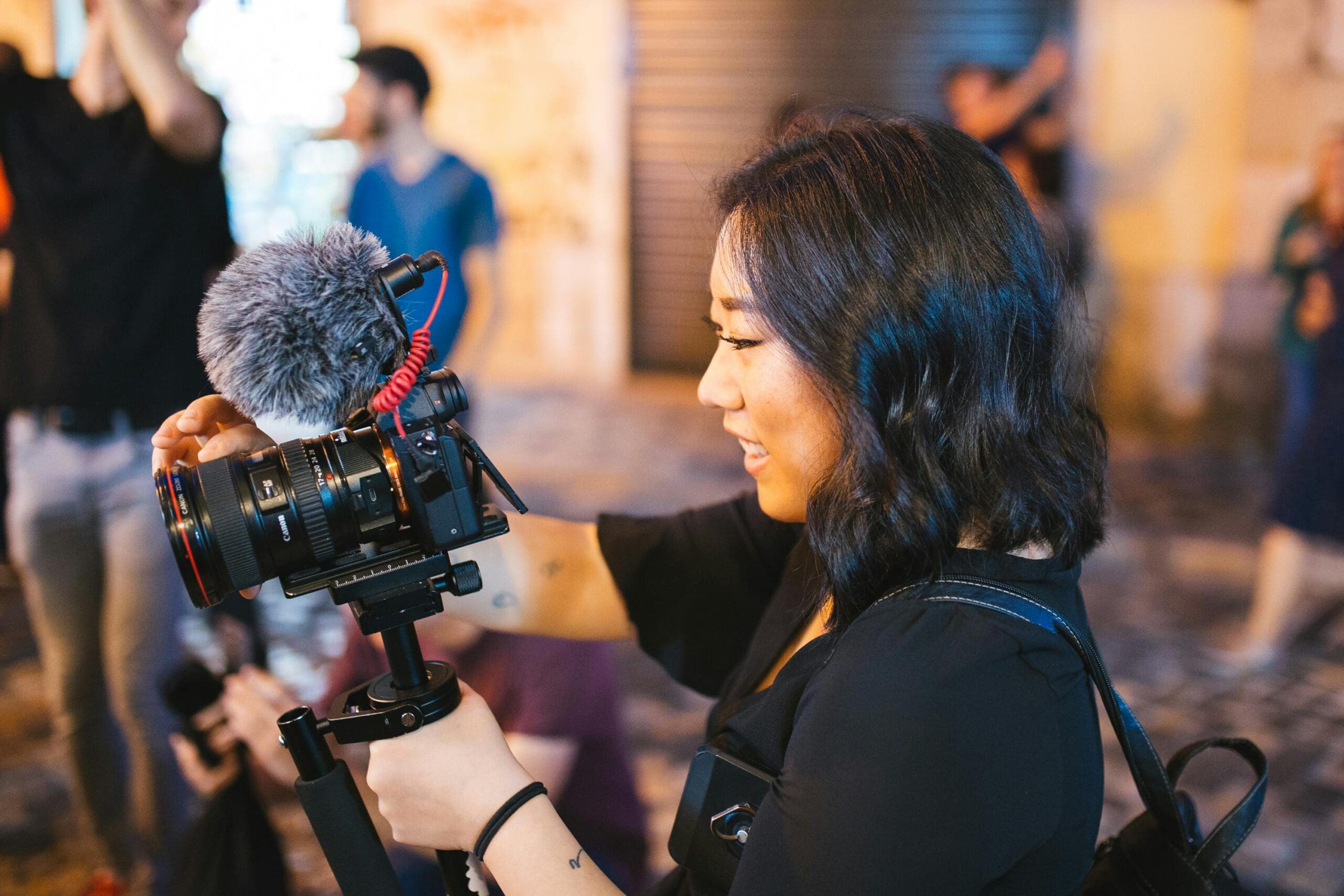
The demand for video skills across Australia is enormous. Freelance wedding videography offers $2,500–$8,000+ AUD per event. Corporate video production commands day rates of $600–$2,500 AUD. Social media video management earns $1,500–$5,000+ monthly per client. YouTube and content creation provides platform revenue plus brand partnerships.
Students who combine their videography training with a photography business course develop both the creative and commercial skills needed to build a sustainable career.
Start Learning Videography Online Today
When you learn videography online through a structured, professionally supported course, you develop skills that translate directly to real work and real income. Explore our Certificate in Videography or browse our full range of courses to find the path that fits your goals.