

Wedding videography is one of the fastest-growing creative services in Australia, and couples are investing more than ever in cinematic films that capture their most important day. According to the Australian Bureau of Statistics, over 106,000 marriages were registered in 2023, and that number continues to climb year after year. For aspiring filmmakers, this represents a massive opportunity — but only if you have the skills to deliver professional-quality work. A comprehensive videography course is the most efficient path to building those skills from scratch and entering the wedding market with confidence.
Why Wedding Videography Is a Lucrative Career Path
The Australian wedding industry is valued at over $5 billion annually, and videography services typically account for between $2,000 and $8,000 of a couple’s total budget. Unlike many creative fields where finding consistent clients can be a challenge, wedding videographers benefit from a market with built-in, recurring demand. People get married every weekend of the year, and every one of those couples is a potential client.
What makes wedding videography particularly attractive is the combination of creative fulfilment and financial stability. You are telling real love stories through moving images, and clients are emotionally invested in the outcome. That emotional investment means they are willing to pay premium prices for exceptional work. A videography course gives you the technical foundation to meet and exceed those expectations from your very first booking.
What a Videography Course Teaches You About Wedding Filmmaking
A structured videography course covers the full spectrum of skills you need, from pre-production planning through to final delivery. The first area of focus is typically camera operation. You will learn how to shoot in manual mode, control exposure through the interplay of aperture, shutter speed, and ISO, and select the right frame rates for different moments throughout the day. Ceremonies often look best at 24 frames per second for that classic cinematic feel, while detail shots and first dances benefit from 60 or 120 frames per second to create smooth slow-motion sequences.
Audio is another critical component that separates amateur wedding videos from professional films. A videography course teaches you how to use lavalier microphones for capturing vows, shotgun microphones for ambient sound, and external recorders for clean audio backup. Poor audio is the single most common reason couples are disappointed with their wedding film, so mastering this skill early is essential.
Lighting is the third pillar. Church interiors, outdoor ceremonies at golden hour, dimly lit reception venues — each scenario demands a different approach. You will learn how to work with available light, when to introduce LED panels or portable lighting, and how to white-balance your camera for mixed lighting environments. These are practical, hands-on skills that a well-designed videography course builds incrementally through assignments and real-world projects.
Storytelling and Narrative Structure
Technical skills are necessary but insufficient on their own. What truly elevates a wedding film is narrative structure — the ability to weave together moments from the day into a cohesive, emotionally resonant story. A videography course teaches you the principles of visual storytelling, including how to identify key narrative beats, use b-roll to establish atmosphere, and pace your edit to build emotional impact.
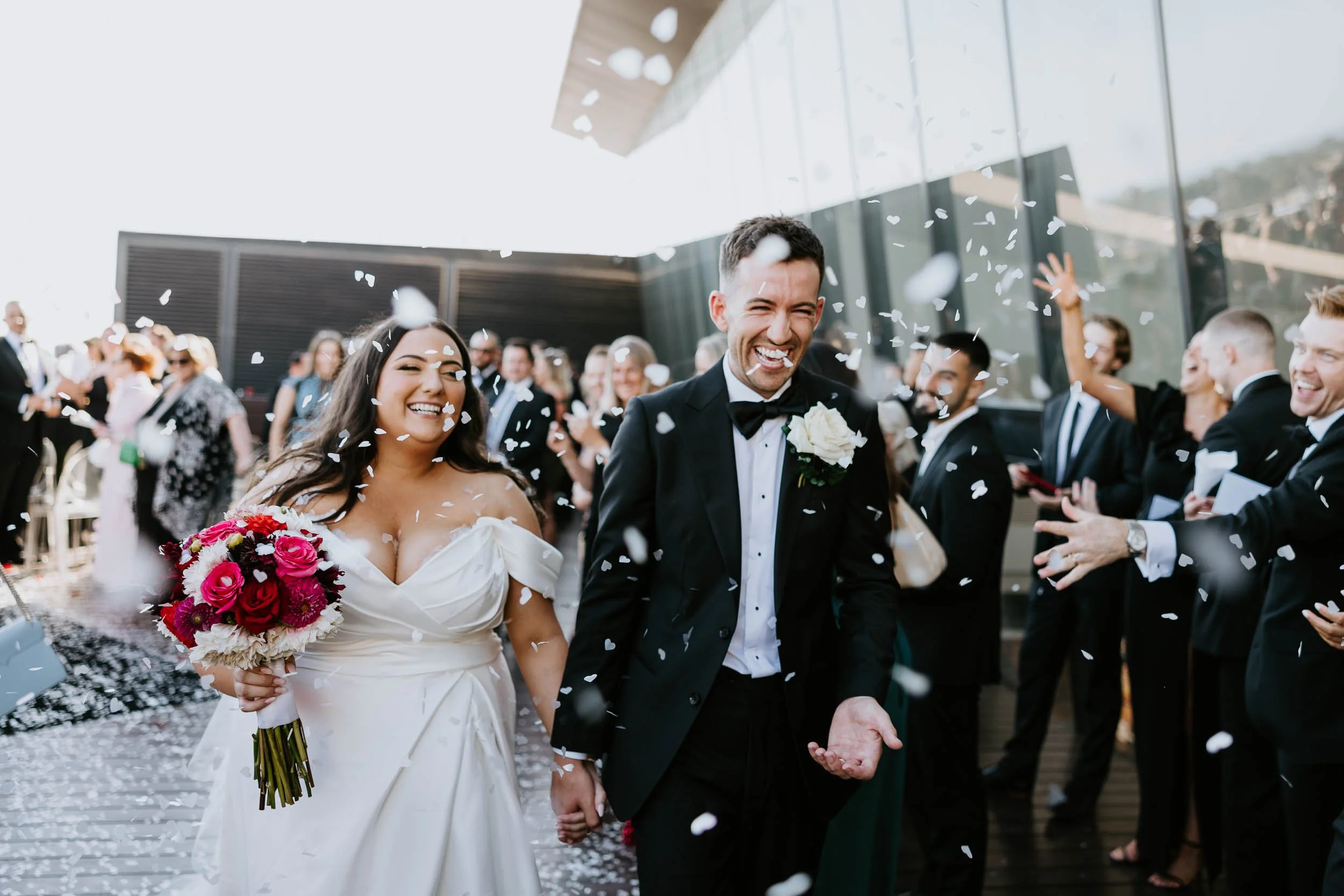
The best wedding films follow a loose three-act structure: the anticipation of getting ready, the commitment of the ceremony, and the celebration of the reception. Within each act, you are looking for authentic moments — a father’s expression as he sees his daughter in her dress, the nervous laughter during ring exchanges, the unscripted chaos of the dance floor. Learning to anticipate and capture these moments is a skill that develops with practice, and a videography course provides the framework and feedback loop to accelerate that development.
Essential Gear for Wedding Videography
One of the most practical benefits of studying through a formal videography course is that you receive guidance on gear selection before you spend thousands of dollars on equipment you may not need. For wedding videography, a reliable two-camera setup is standard. Your primary camera should be a mirrorless body capable of shooting 4K at various frame rates — models from Sony, Canon, and Panasonic are all popular in the Australian market. Your secondary camera serves as a backup and provides a second angle during the ceremony.
Lens selection is equally important. A fast zoom lens in the 24–70mm range covers most situations, while a 70–200mm telephoto allows you to capture intimate moments from a respectful distance. A wide-aperture prime lens — 35mm or 50mm at f/1.4 or f/1.8 — is ideal for low-light reception work and cinematic shallow depth of field.
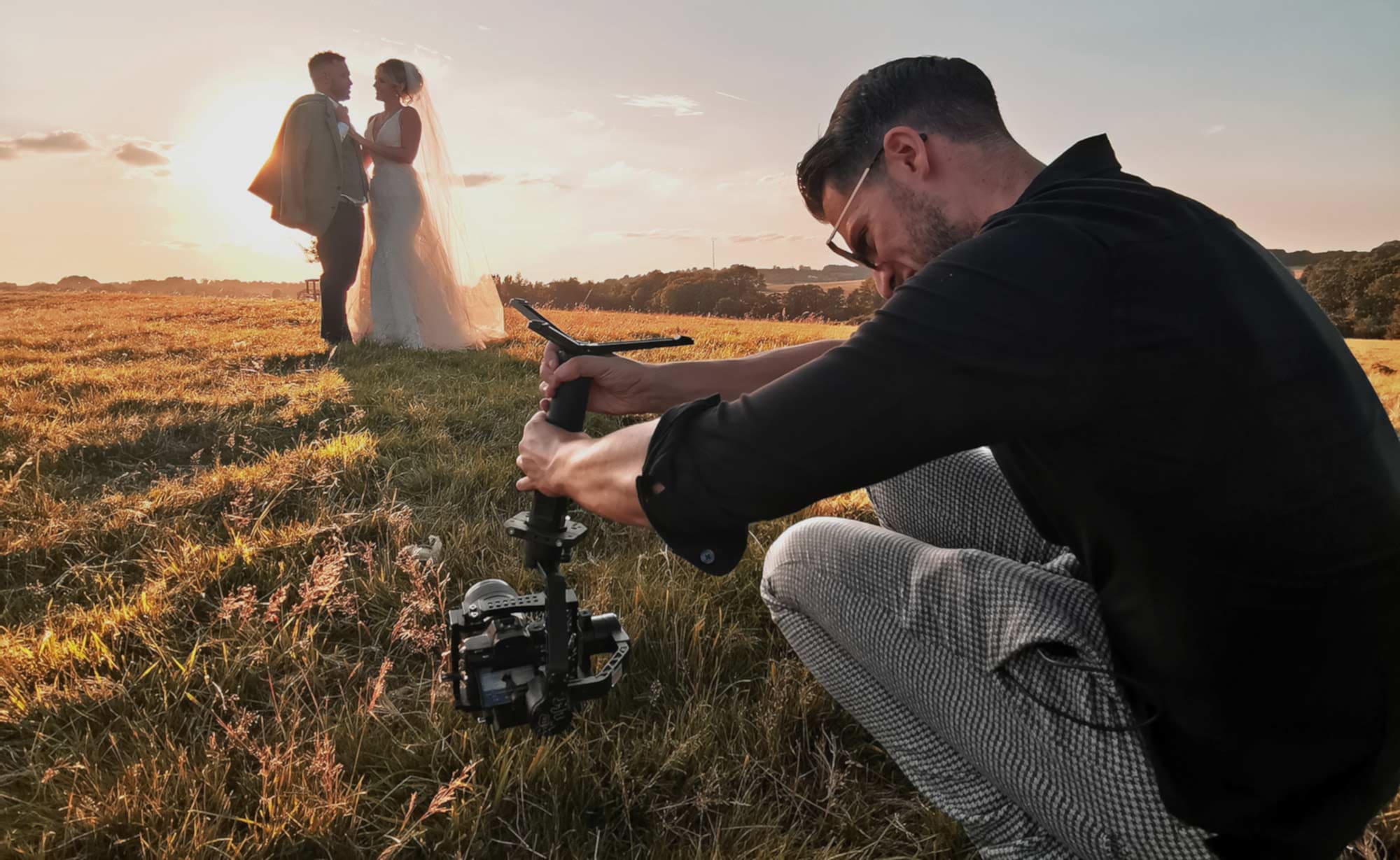
Stabilisation equipment such as gimbals has become standard in wedding videography. Products from DJI and Zhiyun are widely used by Australian wedding videographers, and learning to operate a gimbal smoothly is a core skill covered in a good videography course. For a comprehensive overview of stabilisation and camera operation, Adobe’s filmmaking resource hub provides excellent supplementary material.

Editing and Post-Production Workflows
Filming the wedding is only half the job. Post-production is where raw footage becomes a polished film, and this is where many self-taught videographers struggle. A videography course takes you through professional editing workflows using industry-standard software like DaVinci Resolve or Adobe Premiere Pro. You will learn timeline management, colour grading for cinematic warmth, audio mixing to balance music with natural sound, and export settings optimised for online delivery.
Colour grading deserves special attention because it defines the visual tone of your work. Warm, desaturated tones are currently popular in Australian wedding films, but trends evolve, and understanding colour theory allows you to adapt rather than rely on presets. The Blackmagic Design training resources for DaVinci Resolve are an excellent free complement to the colour grading modules in a structured course.
Building a Wedding Videography Portfolio
Before you can book paying clients, you need a portfolio that demonstrates your capabilities. A videography course helps you build this portfolio through structured assignments that simulate real-world conditions. You can also approach friends or family members who are getting married and offer to film their wedding at a reduced rate in exchange for portfolio footage and a testimonial.
Your showreel should be between 60 and 90 seconds long and showcase your strongest work. Lead with your most visually striking footage, demonstrate variety in your shooting and editing style, and include at least one emotional moment that connects with viewers. Upload your showreel to Vimeo for high-quality playback and embed it on your website.
The Australian Wedding Videography Market
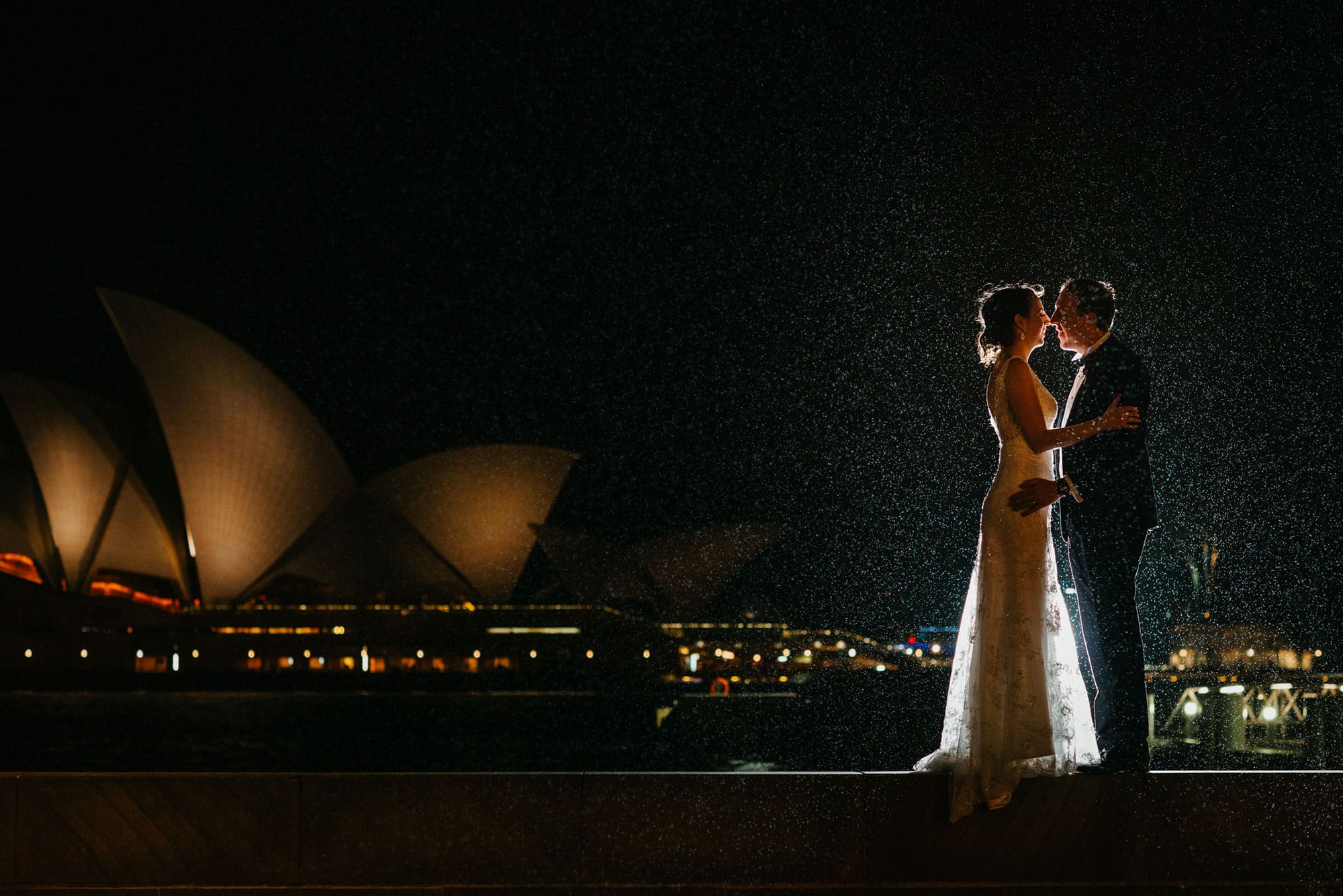
Australia offers a particularly strong market for wedding videographers due to its diverse landscapes and year-round wedding season. From the vineyards of the Hunter Valley and Yarra Valley to beachfront ceremonies on the Gold Coast and outback elopements in the Red Centre, the variety of locations means you can develop a distinctive visual style. Understanding seasonal trends, peak booking periods, and regional pricing expectations is part of the business knowledge a comprehensive photography business course provides alongside your technical training.
Networking with wedding planners, florists, and venue coordinators is essential for building a referral pipeline. The Australian Bridal Industry Academy is a valuable resource for connecting with other wedding professionals and staying informed about industry trends and standards.
From Course to Career: Your Next Steps
Completing a videography course is the starting line, not the finish. The skills you develop through structured education give you the foundation to enter the wedding videography market with confidence, but your career will be built through consistent practice, client relationships, and a commitment to improving your craft with every project.
If you are serious about building a career in wedding videography, the next step is straightforward. Explore the Certificate in Videography at Australian Photography School and discover how you can master camera operation, editing, storytelling, and business skills in one comprehensive program. With flexible online learning, a professional camera included, and expert tutors guiding you every step of the way, you will be filming your first wedding before you know it. Enrol today and start turning love stories into cinematic art.