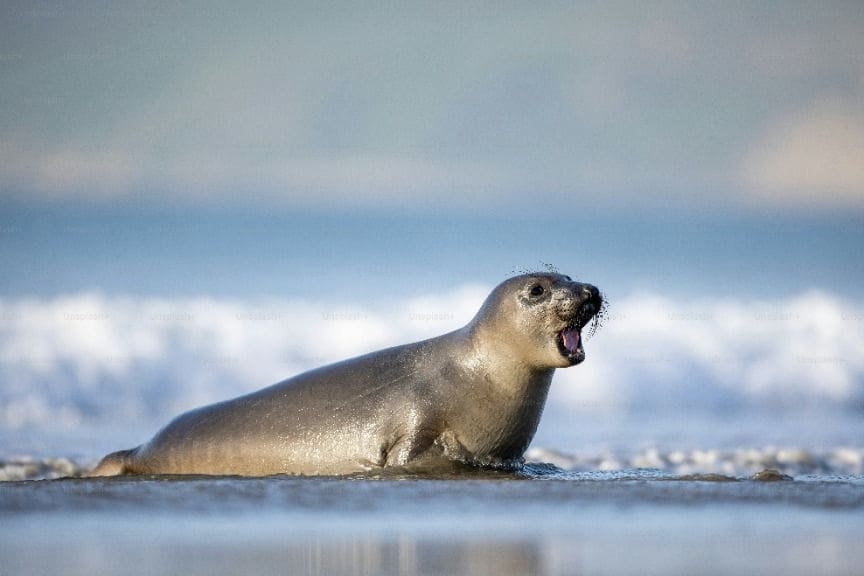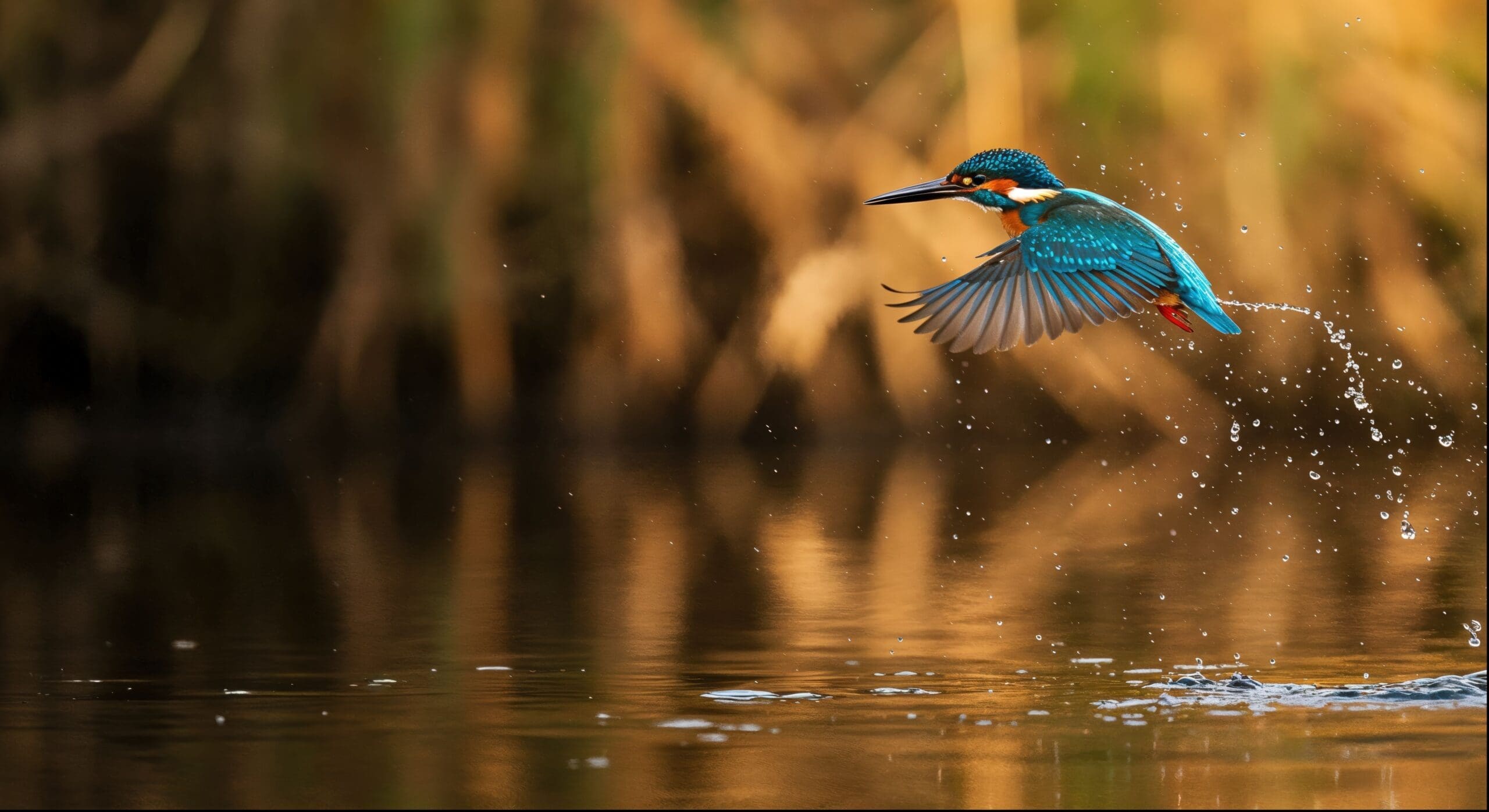

Australia’s national park system protects over 500 reserves across every state and territory, encompassing tropical rainforests, alpine meadows, arid deserts, coastal heathlands, and ancient geological formations. These parks are home to an extraordinary diversity of wildlife found nowhere else on Earth — kangaroos, koalas, wombats, platypuses, echidnas, quokkas, and countless bird and reptile species. For wildlife photographers, Australia’s national parks are the ultimate classroom and studio, offering world-class subjects in spectacular natural settings. A wildlife photography course teaches you the skills to make the most of these remarkable environments.
Why National Parks Are Ideal for Wildlife Photography
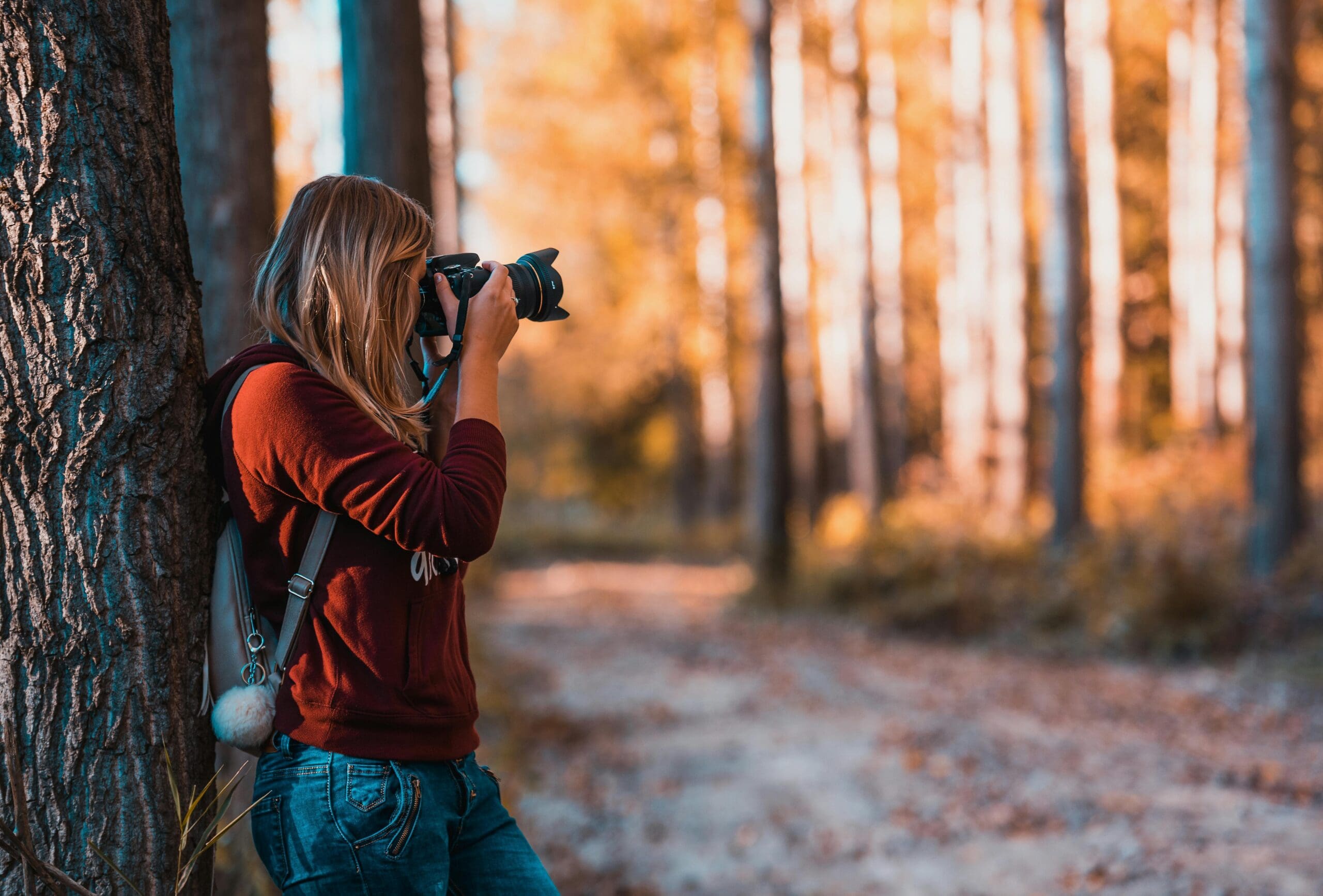
National parks offer three critical advantages for wildlife photographers. First, they protect habitat, meaning animal populations are healthy, diverse, and present in natural numbers. Second, many park animals are habituated to human presence, allowing closer approaches than would be possible in unprotected wilderness. Third, park infrastructure — walking tracks, viewing platforms, hides, and information centres — provides access to key wildlife areas without the need for specialist backcountry skills.
For photographers developing their wildlife skills, national parks provide a reliable, accessible environment where practice opportunities are abundant. A wildlife photography course encourages field practice in national parks because the combination of accessible wildlife and beautiful landscapes accelerates learning.
Top National Parks for Wildlife Photography by Region
Australia’s geographic diversity means that different parks excel for different subjects and at different times of year. Understanding this landscape helps you plan productive photographic expeditions.
In New South Wales, the Royal National Park south of Sydney offers wallabies, lyrebirds, and spectacular coastal scenery within an hour of the city centre. Kosciuszko National Park provides unique alpine landscapes and the opportunity to photograph the mountain pygmy possum, one of Australia’s rarest mammals. Myall Lakes National Park on the mid-north coast supports rich waterbird populations and stunning lake and dune landscapes.
In Victoria, Wilsons Promontory National Park is one of the country’s premier wildlife photography destinations. Wombats graze openly on the campground lawns at dusk, kangaroos are abundant along walking tracks, and the coastal scenery is spectacular. The Great Otway National Park offers koalas in the wild, glow-worm caves, and temperate rainforest environments that provide moody, atmospheric shooting conditions.
In Queensland, the Daintree National Park protects the world’s oldest tropical rainforest and offers cassowaries, tree kangaroos, Boyd’s forest dragons, and an extraordinary diversity of tropical birds. Lamington National Park in the Gold Coast hinterland is famous for its crimson rosellas and king parrots, which are remarkably tame and approach visitors closely.
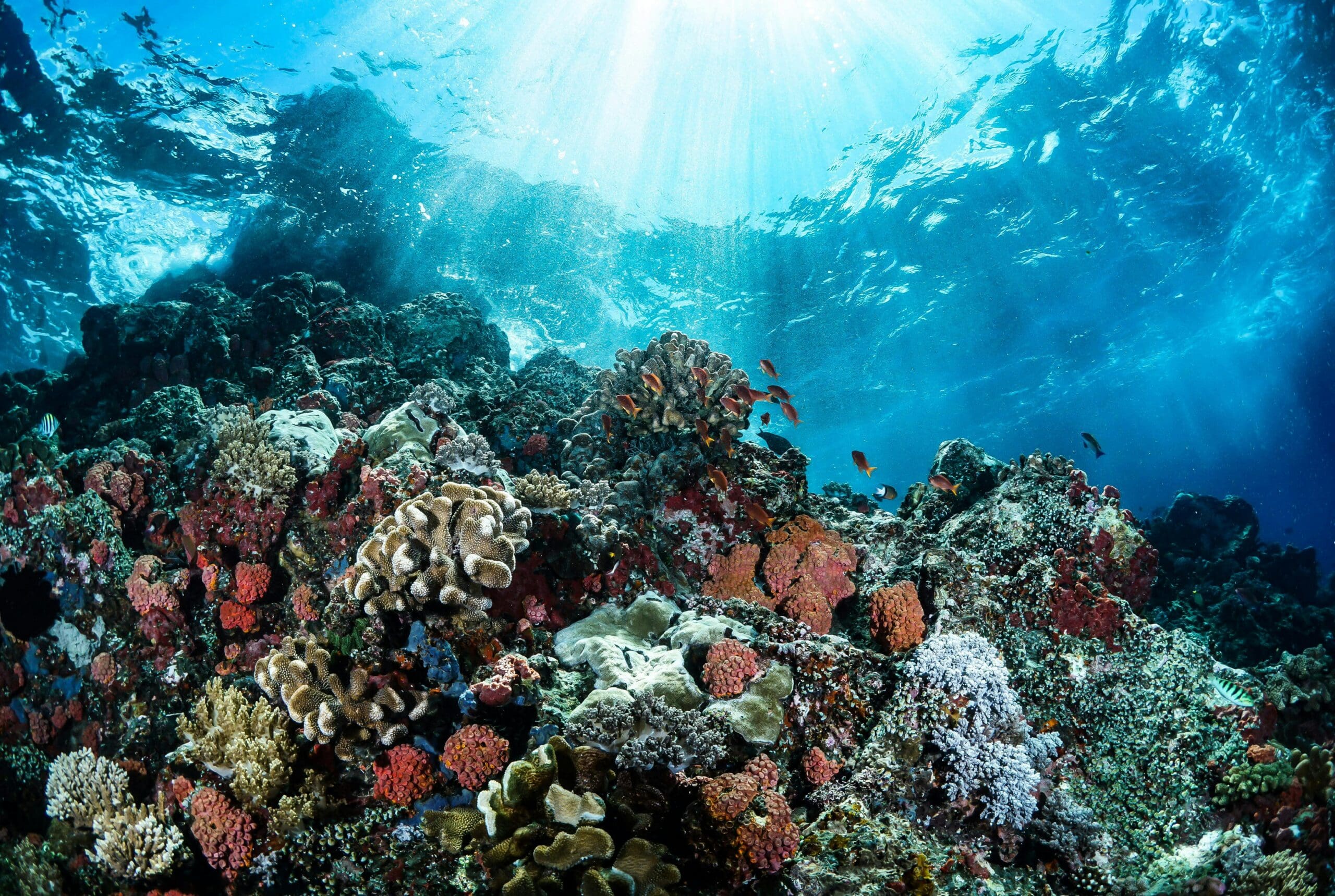
In Western Australia, Ningaloo Reef offers whale shark encounters and humpback whale photography from June to November. Karijini National Park in the Pilbara provides dramatic gorge landscapes and rock wallabies. The Pinnacles in Nambung National Park create surreal, otherworldly backdrops for landscape-wildlife compositions.
In Tasmania, Cradle Mountain-Lake St Clair National Park is one of Australia’s most iconic wildlife photography destinations. Wombats, Tasmanian devils (at the nearby wildlife sanctuary), pademelons, echidnas, and platypuses are all regularly photographed here. The alpine landscape provides a stunning backdrop year-round.
In the Northern Territory, Kakadu National Park offers saltwater crocodiles, frilled-neck lizards, jabirus, brolgas, and the ancient rock art of Ubirr and Nourlangie. The contrast between wet and dry season transforms the landscape and the wildlife activity, providing two completely different photographic experiences.
For comprehensive national park information, including wildlife guides and access details, Parks Australia and each state’s parks authority provide detailed planning resources.
Seasonal Planning for Wildlife Photography
Wildlife activity varies dramatically with the seasons, and planning your expeditions to coincide with peak activity periods maximises your photographic opportunities.
Spring (September to November) is nesting season for many Australian birds, providing opportunities to photograph courtship displays, nest building, and chick feeding. Wildflowers bloom across southern Australia, creating colourful foreground elements for landscape-wildlife compositions. Spring is also when many reptiles emerge from winter dormancy and are frequently seen basking in morning sun.
Summer (December to February) brings peak activity for marine wildlife. Sea turtle nesting occurs along the Queensland coast. Whale shark season peaks at Ningaloo Reef. Bird breeding activity continues, and many species are feeding dependent young. The long daylight hours provide extended golden hour windows for photography, but the heat of midday drives many mammals into shade and inactivity.
Autumn (March to May) is one of the best overall seasons for wildlife photography in Australia. Temperatures moderate, deciduous trees in cooler regions provide warm colour backgrounds, and many migratory bird species are present. Fungi appear on the forest floor after autumn rains, creating unique macro photography opportunities alongside wildlife work.
Winter (June to August) is whale migration season along both coasts and the best time for visiting tropical regions like the Top End and Far North Queensland, where the dry season provides comfortable conditions and concentrated wildlife around diminishing water sources. In southern regions, cooler temperatures mean many mammals are active earlier and later in the day, extending shooting opportunities.
A wildlife photography course teaches you to plan expeditions around seasonal patterns and to adapt your approach to the conditions you encounter. This strategic thinking transforms random field trips into productive photographic sessions.
Planning a Wildlife Photography Expedition
Successful wildlife photography expeditions require planning that goes beyond simply showing up at a national park with your camera. A wildlife photography course covers the practical planning skills that make expeditions productive.
Research your target species. Know what animals are present in the park you are visiting, what habitats they prefer, what times of day they are most active, and where they are most frequently observed. Park websites, wildlife field guides, birding forums, and local photography groups are all valuable information sources. The eBird platform from the Cornell Lab of Ornithology provides real-time bird sighting data for locations worldwide, including Australian national parks.
Scout your locations in advance if possible. Visit the park without your camera first to identify the best vantage points, understand light direction at different times of day, and locate key wildlife areas. If you cannot visit in advance, use Google Earth and park maps to study the terrain and identify access points, water sources, and vegetation types that are likely to attract your target species.
Pack appropriately for the conditions. Carry more water than you think you need, wear comfortable walking shoes, bring sun protection and insect repellent, and pack a waterproof layer for unexpected rain. Protect your camera equipment with weather-resistant bags and bring lens cloths, spare batteries, and ample memory card capacity — nothing is more frustrating than running out of storage during a productive session.
Allow more time than you expect. Wildlife photography rewards patience, and rushing through a location almost guarantees you will miss opportunities. If you can, spend multiple days in a park rather than trying to cover it in a single visit. Animals that were absent on day one may appear on day two, and your familiarity with the environment improves with every hour spent in the field.

Ethical Wildlife Photography in National Parks
National parks exist to protect wildlife and habitat, and photographers have a responsibility to uphold that mission. A wildlife photography course emphasises ethical practices as fundamental to the craft.
Stay on marked tracks and trails. Venturing off-track damages fragile vegetation, disturbs ground-nesting animals, and increases erosion. Use telephoto lenses to photograph subjects from a distance rather than approaching closely. If an animal changes its behaviour in response to your presence — stops feeding, becomes alert, moves away, or vocalises alarm — you are too close and should retreat.
Never feed wildlife. Feeding habituates animals to humans, alters their natural diet, and can create aggressive behaviour. Do not use drones near wildlife — they are prohibited in most national parks and cause significant disturbance to animals, particularly birds of prey and nesting colonies.
Follow all park regulations regarding camping, fires, access, and pet restrictions. These rules exist to protect the environment and the animals within it. Your photographs should be evidence of respectful observation, not intrusive encounter.
Combining Landscape and Wildlife Photography
One of the unique pleasures of photographing in national parks is the opportunity to combine wildlife and landscape photography. An image of a kangaroo grazing against a backdrop of misty mountains, or a wedge-tailed eagle soaring above a gorge, or a wombat ambling across a frost-covered alpine meadow tells a richer story than a tight portrait of the animal alone.
Wide-angle wildlife photography — using moderate focal lengths (24mm to 70mm) to include the animal within its environment — is an advanced technique that requires closer approaches or subjects that are naturally tolerant of human presence. The result is images that convey a sense of place and context that telephoto close-ups cannot achieve.
A photography course for beginners builds the landscape photography and compositional skills that complement your wildlife technique, enabling you to create images that capture both the subject and the spectacular environments of Australia’s national parks.
Post-Processing Wildlife and Landscape Images
Wildlife images from national park expeditions often benefit from considered post-processing. Enhancing the warm tones of golden hour light, bringing out detail in shadowed forest subjects, and increasing local contrast to make wildlife subjects stand out against busy natural backgrounds are all standard adjustments.
For landscape-wildlife composites, consider processing the landscape and the subject separately using local adjustment tools in Lightroom. Brightening and adding clarity to the animal while subtly darkening and softening the background creates a natural-looking separation that directs the viewer’s attention.
Panoramic stitching can create sweeping environmental images when your wildlife subject sits within a grand landscape that cannot be captured in a single frame. Shoot a series of overlapping vertical frames and merge them in Lightroom or Photoshop for a high-resolution panoramic that includes your subject within an epic natural vista. Adobe’s panorama stitching guide provides the technical workflow for this technique.
Explore Australia’s Wild Places Through Your Lens
Australia’s national parks are a photographer’s paradise — places where extraordinary wildlife meets breathtaking landscapes in some of the most beautiful and biodiverse environments on Earth. If you are ready to develop the skills needed to capture these wild places and their inhabitants, explore the Wildlife Photography Course at Australian Photography School. With expert tutors guiding your development, a professional camera included in your enrolment, and flexible online study that fits around your schedule, you will build the technical skill, fieldcraft knowledge, and ethical awareness that stunning wildlife photography demands. Contact our team today and start your journey into Australia’s extraordinary natural world.