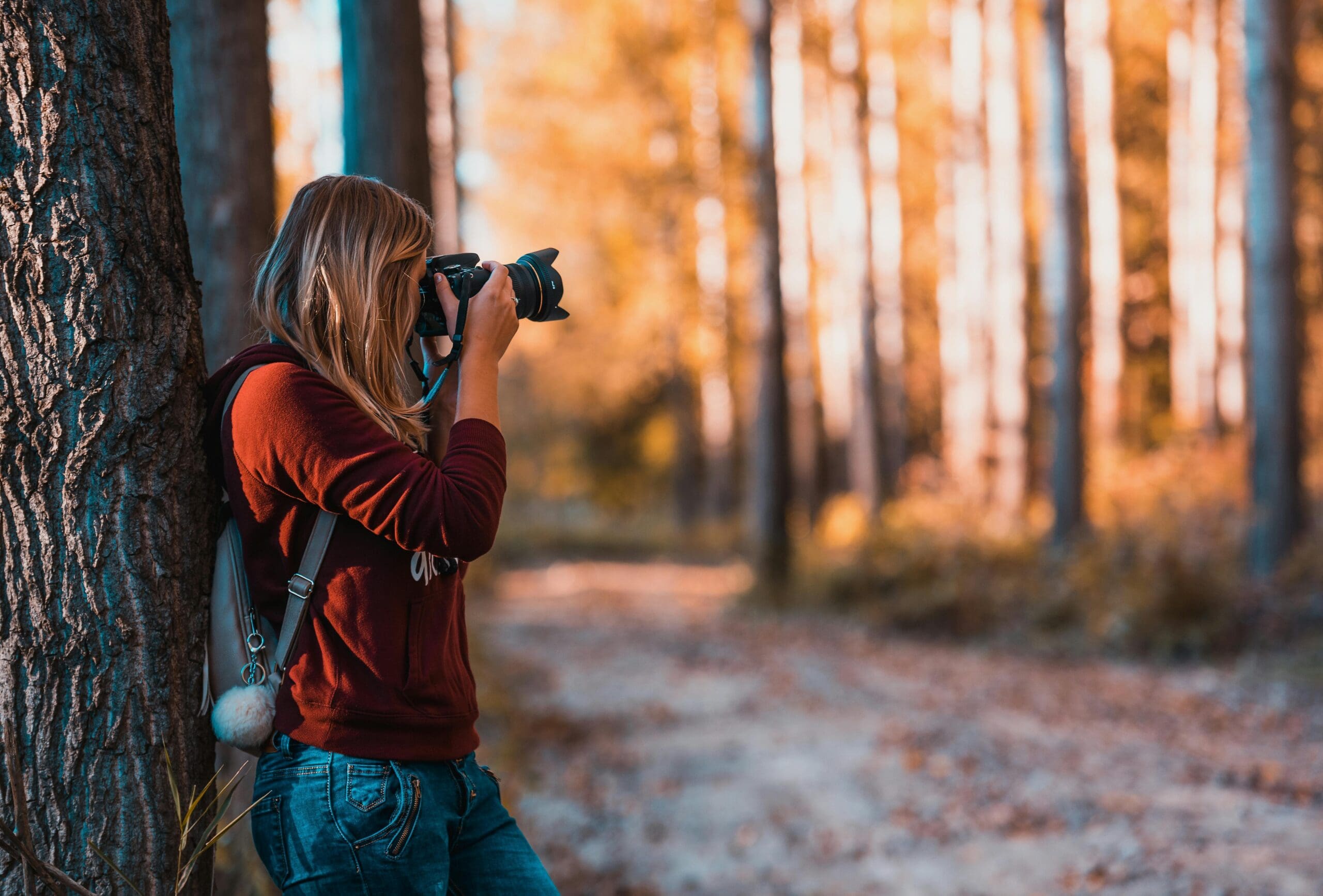


If you’ve ever found yourself captivated by a stunning photograph, whether a breathtaking landscape, an intimate portrait, or a perfectly composed product shot, you’ve likely wondered what it takes to create images like that yourself. The good news is that professional photography skills are entirely learnable, and a structured photography course is the fastest path from admiring great images to creating them.
Photography has evolved dramatically in recent years. What was once a profession requiring expensive equipment and years of apprenticeship is now accessible to anyone with dedication and the right training. Australian photographers are earning substantial incomes across diverse specialisations, from wedding photography commanding $3,000 to $8,000 per event to commercial work billing $500 to $2,000 per day.
What Is a Photography Course and Who Is It For?
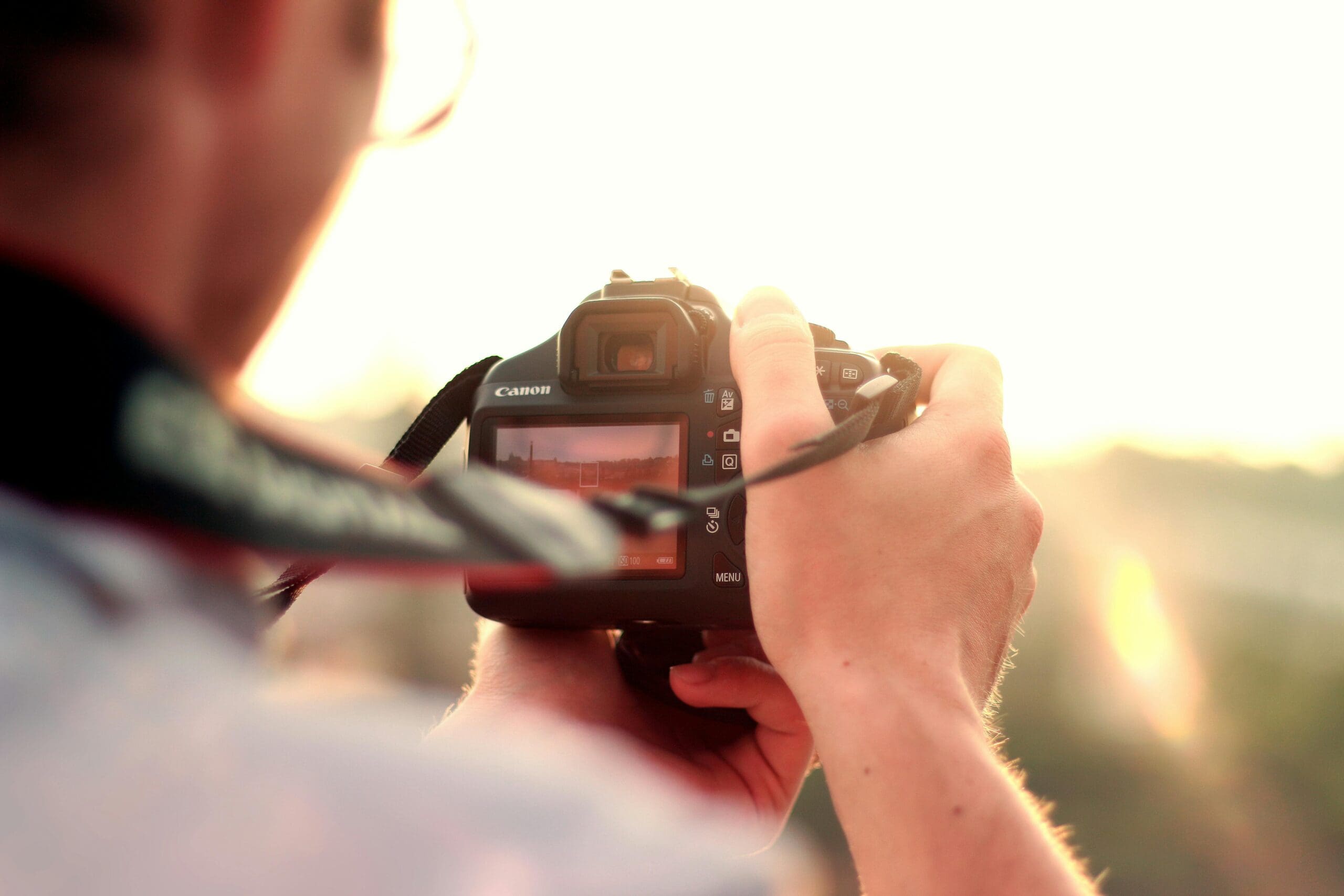
A photography course is a structured learning program that takes you from wherever you are now, whether complete beginner or enthusiastic hobbyist, to a confident, skilled photographer. Unlike watching random YouTube tutorials or experimenting alone, a formal course provides a logical progression of skills, expert feedback on your work, and accountability to keep you moving forward.
Photography courses suit a remarkably diverse range of people. Career changers in their thirties and forties often discover photography offers the creative fulfilment missing from their corporate roles. Parents seeking flexible work find photography ideal for fitting around school hours. Young creatives appreciate the blend of artistry and commercial potential.
The common thread among successful photography students isn’t age, background, or existing skill level. It’s curiosity about visual storytelling and willingness to practise consistently. No prior experience is required for most beginner courses, and many include a camera in the enrolment package.
Types of Photography Courses Available in Australia
The Australian photography education landscape offers options for every goal and learning style. Certificate programs typically run six to twelve months and cover photography fundamentals comprehensively. These courses suit beginners seeking solid foundations or hobbyists wanting structured skill development.
The Certificate in Photography is ideal for those wanting a thorough grounding in both technical skills and creative development.
Once you’ve mastered fundamentals, specialised courses allow you to focus on specific genres. Portrait photography training teaches lighting, posing, and directing subjects. Business photography courses combine technical skills with client acquisition and pricing strategies.
For those interested in people photography, the Certificate in Portrait Photography provides focused training in this lucrative specialisation.
What You’ll Learn in a Professional Photography Course
Quality photography training covers four essential areas: technical camera operation, creative composition and lighting, post-production editing, and business fundamentals. Each builds upon the others to create well-rounded professional capability.
Camera Fundamentals and Settings
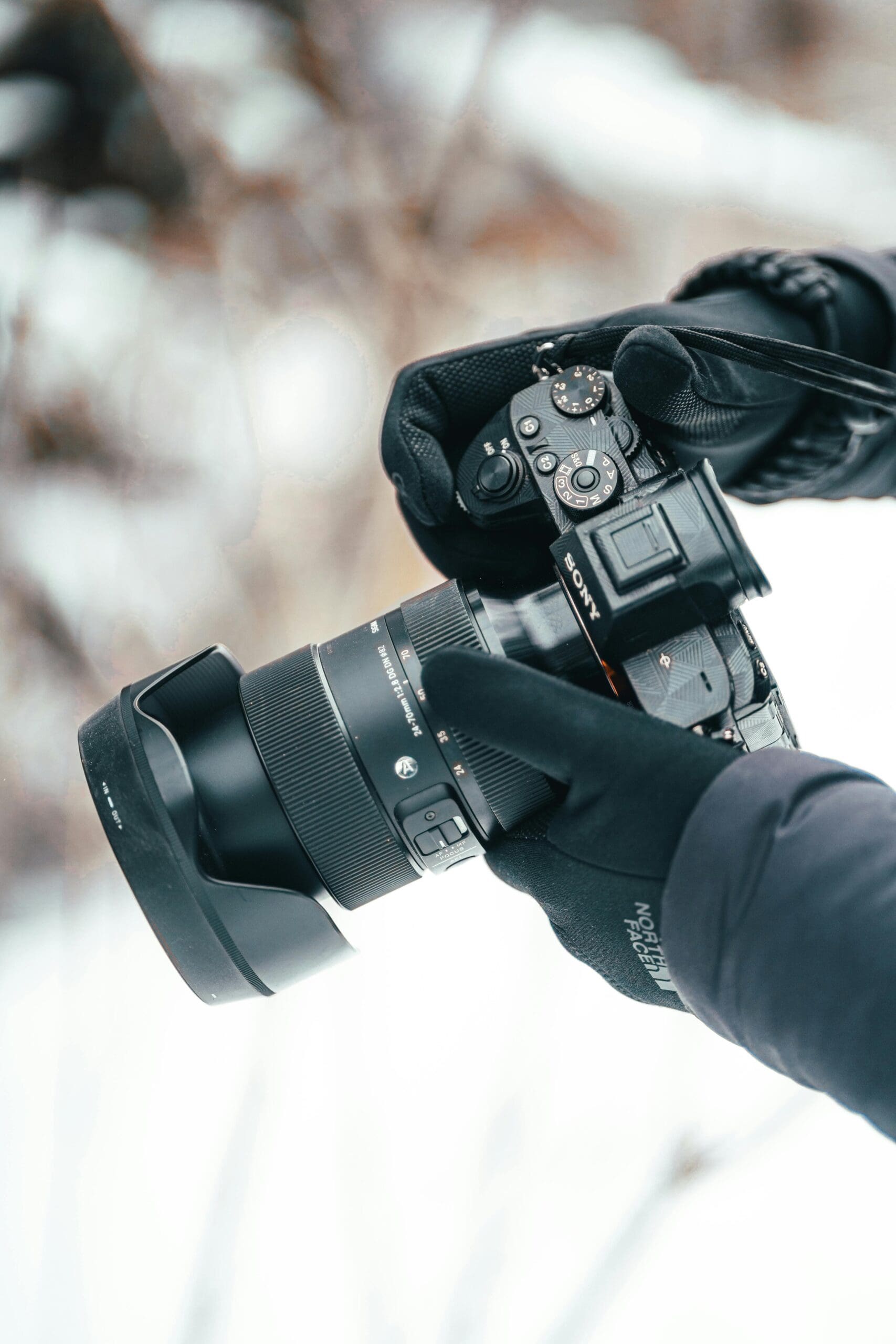
Understanding your camera transforms it from an intimidating device into a creative tool. You’ll learn the exposure triangle, which is how aperture, shutter speed, and ISO work together to create properly lit images. Focus modes, metering patterns, and white balance become intuitive rather than confusing.
Composition and Lighting Techniques
Technical competence means nothing without artistic vision. Photography courses teach compositional principles including rule of thirds, leading lines, symmetry, and deliberate rule-breaking. Lighting instruction covers natural light manipulation, reflector use, and introduction to artificial lighting.
Post-Production Skills
Modern photography extends beyond the camera. Industry-standard software like Adobe Lightroom and Photoshop are essential tools for every professional. Courses teach efficient workflows for organising thousands of images, developing consistent editing styles, and retouching techniques.
Business and Client Management
Technical brilliance means little without clients. Comprehensive courses like the Certificate in Business Photography include essential business training covering pricing strategies, client communication, and marketing fundamentals.
Career Paths After Completing Your Photography Course
Photography offers remarkably diverse career options. Freelance photographers enjoy maximum flexibility, choosing their clients, schedules, and creative direction. Successful freelancers in Australia regularly earn $75,000 or more annually.
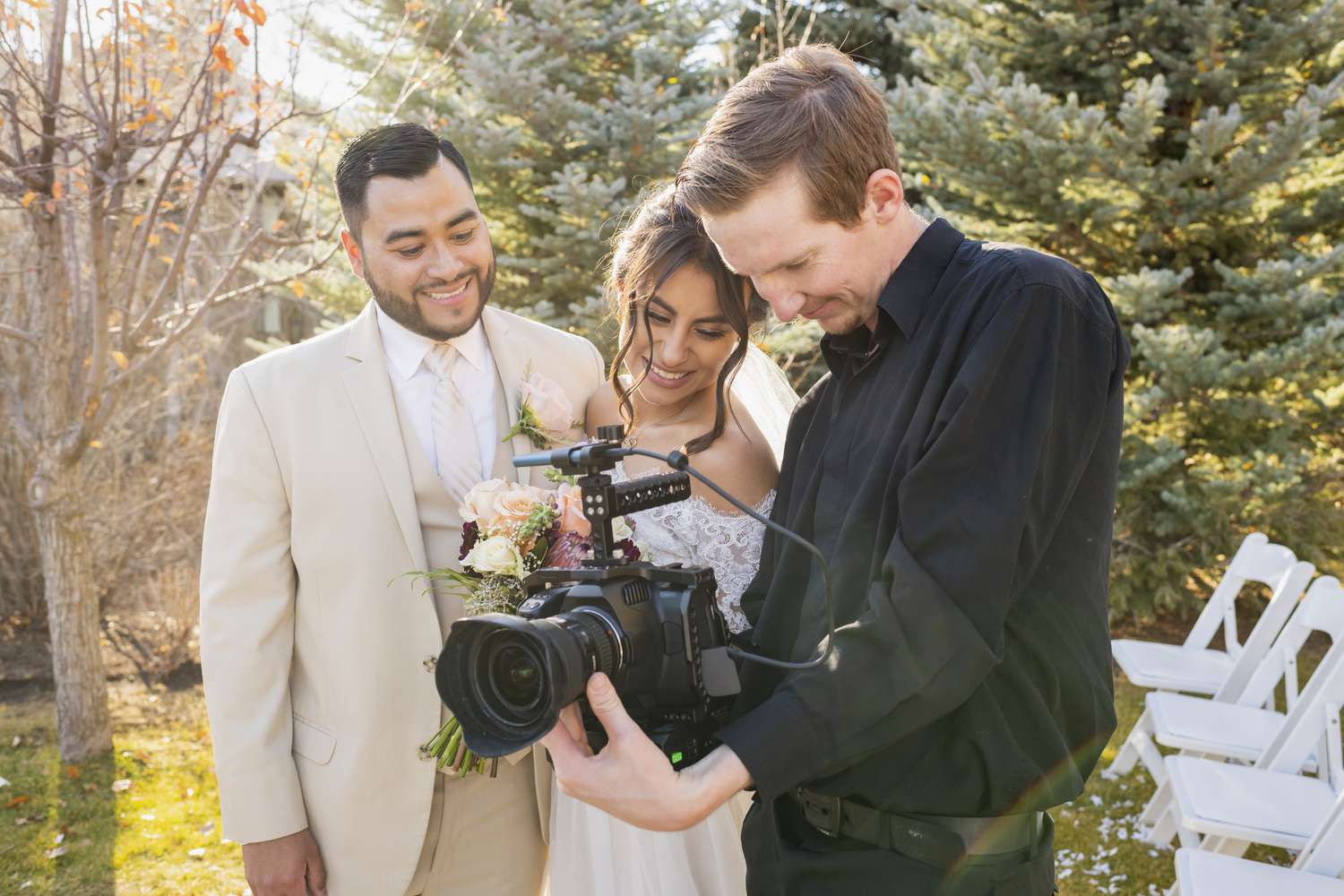
Wedding and events specialists work in one of the most lucrative specialisations, with Australian wedding photographers charging $3,000 to $8,000 per wedding. Commercial and product photographers serve businesses needing professional imagery for websites, catalogues, and advertising.
For those interested in video content alongside photography, the Certificate in Videography provides complementary skills increasingly demanded by clients.
How to Choose the Right Photography Course
Your primary goal shapes everything when selecting training. Someone wanting a fulfilling hobby has different needs than someone planning to replace corporate income with photography earnings. Career-focused students should prioritise courses including business training alongside technical skills.
Budget and payment flexibility matter practically. Quality courses represent significant investment, but flexible payment plans, sometimes as low as $35 per week, make professional training accessible. Courses including equipment like cameras provide additional value.
Learning support determines success for many students. Look for courses offering genuine tutor feedback rather than just video content. Personalised guidance accelerates improvement dramatically compared to self-directed learning.
Frequently Asked Questions
Do I need to already own a camera? Many courses include cameras in the enrolment package. If purchasing separately, entry-level DSLRs or mirrorless cameras work perfectly for learning.
How long does it take to complete a course? Most certificate programs are designed for completion within six months, though you typically have twelve months access.
Can I study while working full-time? Online courses specifically accommodate working students. Study during evenings, weekends, or any available time with no scheduled classes requiring attendance.
Ready to start your photography journey? Explore the full range of courses at Australian Photography School and take the first step toward capturing stunning images professionally.