

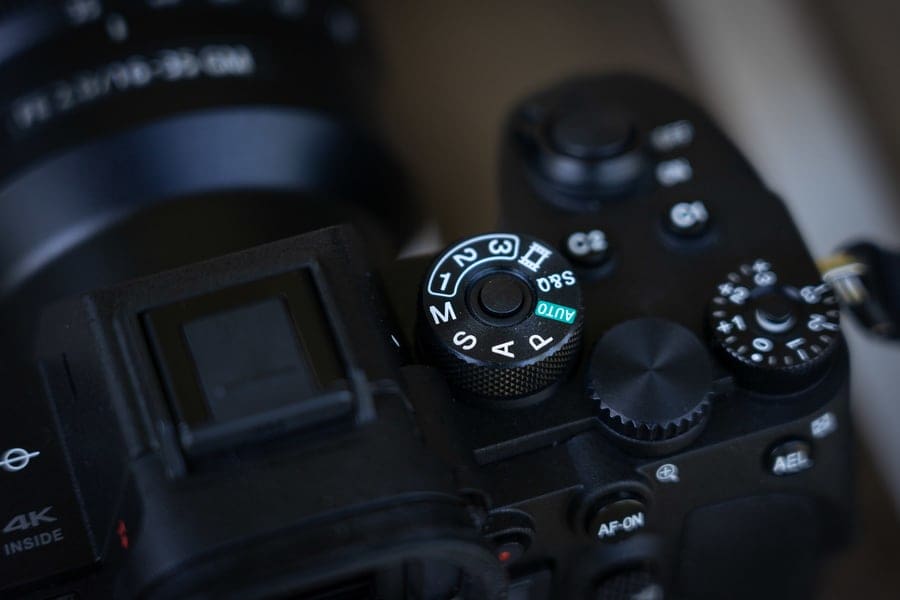
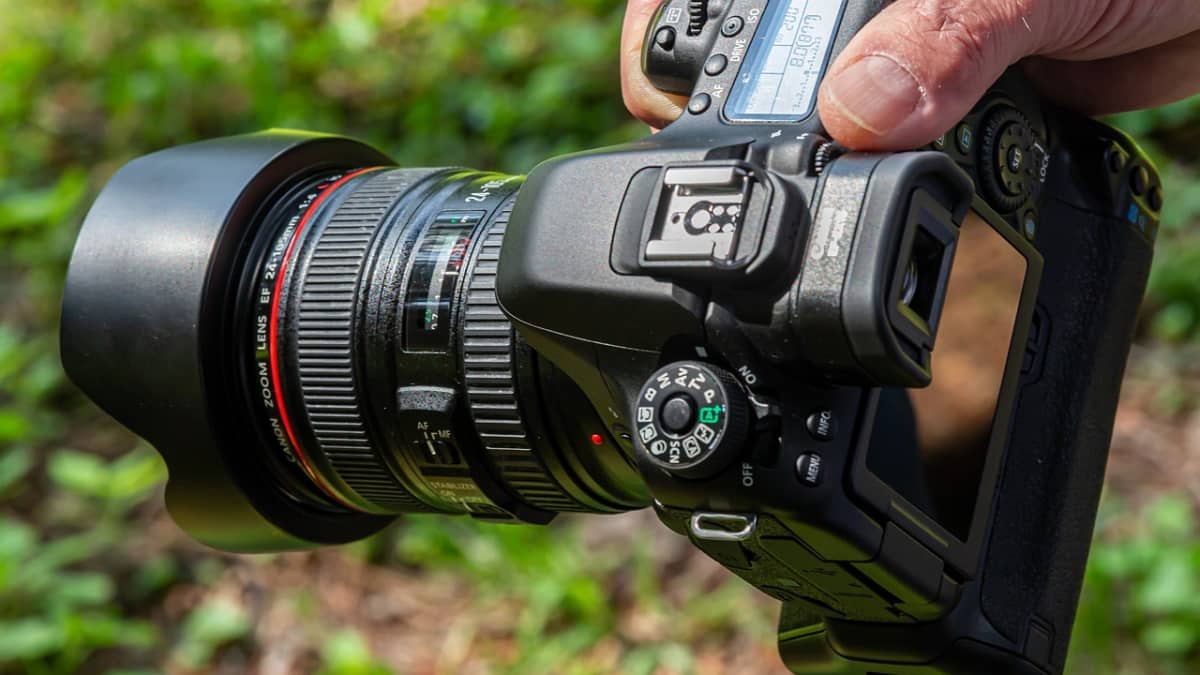
The mode dial on your camera offers choices that initially seem overwhelming. Letters and symbols represent different levels of automation and control. Many photographers stick with auto mode forever, while others insist on shooting only manual. The truth is that each mode serves specific purposes, and skilled photographers choose based on situation rather than dogma.
Understanding when to use each mode transforms your photography. You’ll capture images impossible in full automatic while avoiding the frustration of manual mode when it’s unnecessary.
Overview of Camera Modes
Camera modes range from fully automatic to fully manual, with semi-automatic options in between. The mode dial typically includes scene modes (portraits, landscapes, sports) alongside the primary shooting modes.
Scene modes apply predetermined settings for specific situations. They work adequately but limit creative control. Serious photographers generally ignore these after learning the main modes.
Auto Mode: When It Works
Fully automatic mode makes every decision for you, selecting aperture, shutter speed, ISO, focus point, flash usage, and more. The camera analyses the scene and applies what it considers optimal settings.
Auto works well for casual snapshots when you prioritise capturing moments over perfecting settings. Family gatherings, quick documentation, and situations where technical precision matters less than having a record benefit from auto mode’s speed and reliability.
Auto mode fails when your creative vision differs from the camera’s assumptions. It cannot know you want shallow depth of field for a portrait or intentional motion blur for artistic effect. Tricky lighting often confuses automatic metering.
Aperture Priority: The Portrait Photographer’s Friend
Aperture priority lets you select the aperture while the camera determines matching shutter speed for correct exposure. This mode proves ideal when depth of field matters most.
Portrait photographers love aperture priority. Setting f/1.8 or f/2.8 creates beautiful background blur while the camera handles exposure automatically. You control the creative element while automation handles the technical.
Landscape photographers also use aperture priority, selecting f/8 to f/11 for maximum sharpness. The camera adapts shutter speed to lighting conditions throughout changing conditions.
Shutter Priority: Capturing Action
Shutter priority lets you set shutter speed while the camera selects aperture. This mode suits situations where motion rendering matters most.
Sports and wildlife photographers use shutter priority to freeze action. Setting 1/1000s ensures sharp subjects regardless of how the camera adjusts aperture.
Creative photographers use shutter priority for intentional blur. Setting 1/15s while panning with moving subjects creates dynamic motion effects.
Manual Mode: Complete Control
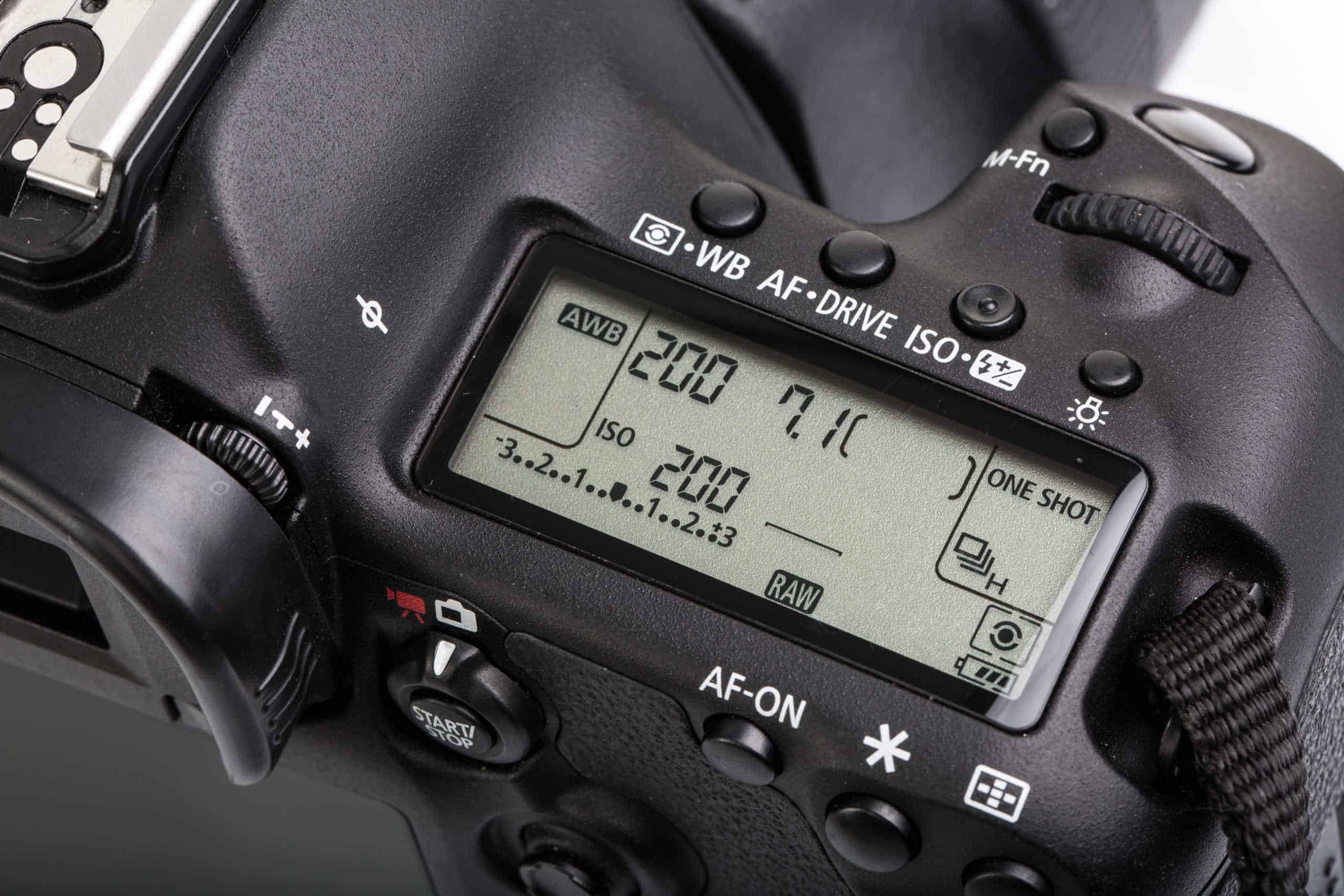
Manual mode puts you in charge of aperture, shutter speed, and ISO. The camera’s meter suggests exposure but final decisions are yours.
Studio photographers use manual mode because lighting remains constant. Once set correctly, settings don’t need continuous adjustment.
Tricky lighting situations benefit from manual control. High-contrast scenes confuse automatic metering. Backlit subjects require manual intervention for proper exposure.
Learn when to use each mode effectively through the Certificate in Photography with practical assignments in varied conditions.
Choosing the Right Mode
Match mode to priority. When depth of field matters most, choose aperture priority. When motion rendering is critical, select shutter priority. When lighting is complex or controlled, use manual.
Don’t let pride dictate mode choice. Using aperture priority doesn’t make you less skilled than shooting manual. Efficient photographers use appropriate tools for each situation.
Develop confident mode selection with professional training at Australian Photography School.