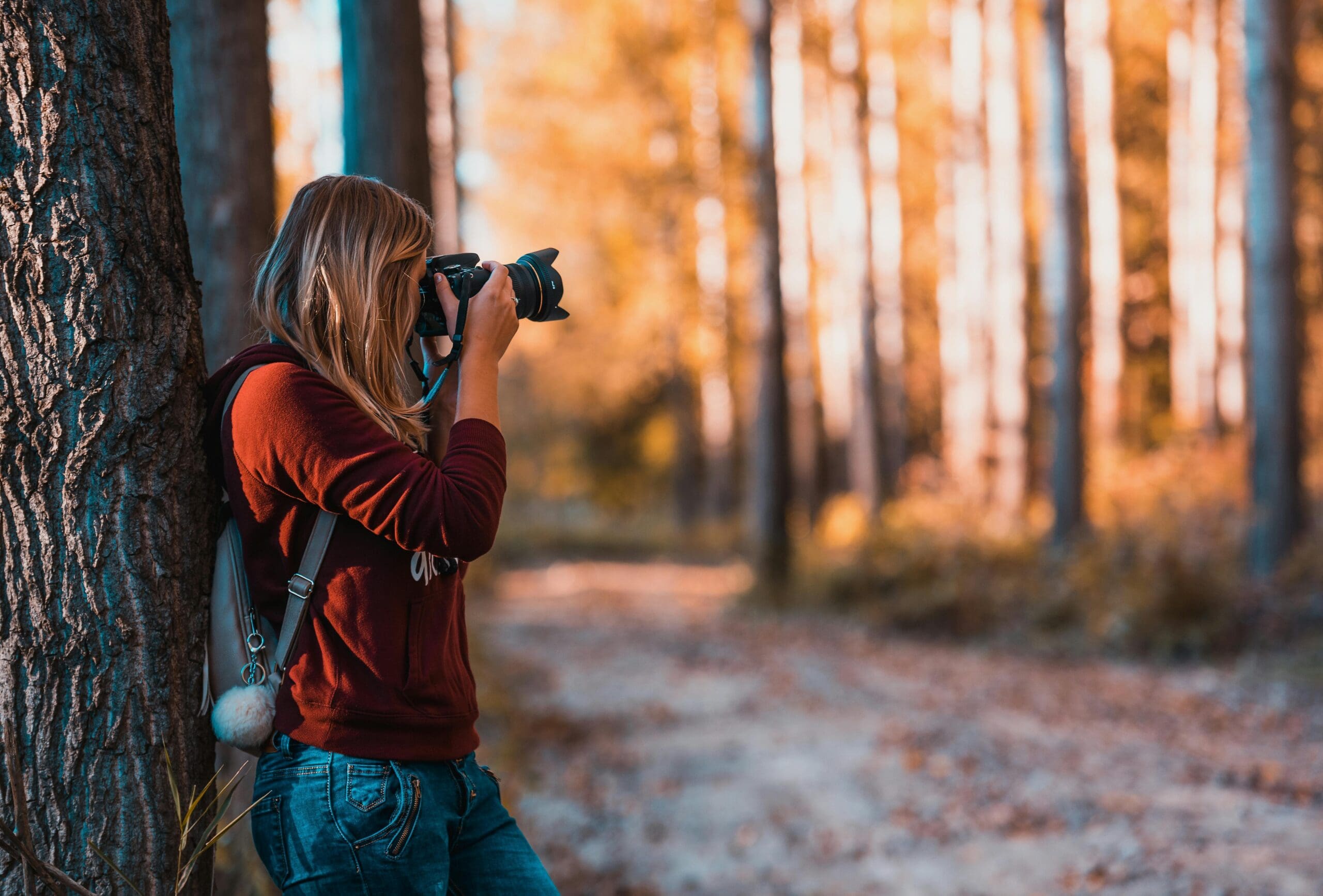


Digital photography has revolutionised how we capture, edit, and share images. Unlike film photography’s expensive learning curve where every mistake cost money in wasted film and development, digital technology provides instant feedback and unlimited experimentation. This fundamental shift has made professional photography skills accessible to anyone willing to learn.
A comprehensive digital photography course teaches you to harness this technology effectively, moving beyond automatic mode into the creative control that separates memorable images from snapshots.
What Makes Digital Photography Different?
The most transformative aspect of digital photography is immediate review. You can capture an image, examine it on your camera’s screen, identify problems, and reshoot within seconds. This feedback loop accelerates learning dramatically compared to film.
Digital files, especially RAW format images, contain enormous editing latitude. Exposure errors within reasonable limits can be corrected. Colour temperature adjustments happen with a slider movement. This flexibility provides safety margins and creative options unimaginable in the film era.
Once you own a digital camera, each photograph costs nothing beyond minimal electricity. This removes financial barriers to practice, allowing photographers to shoot thousands of frames yearly.
Core Skills Covered in a Digital Photography Course
Understanding Your Camera
Modern digital cameras contain powerful technology requiring understanding to utilise fully. Courses teach camera anatomy, explaining what each button, dial, and menu option controls. You’ll learn to navigate your specific camera confidently, changing settings quickly without searching through menus.
The Exposure Triangle
Aperture, shutter speed, and ISO form the foundation of exposure control. These three variables interact to determine how light reaches your sensor, affecting both brightness and creative characteristics like depth of field and motion rendering.
White Balance and Colour
Light has colour temperature measured in Kelvin. Understanding white balance ensures colours appear as intended. Advanced colour management teaches calibrated workflows from camera through editing software to final output.

RAW vs JPEG
Digital cameras offer multiple file format options. JPEG files are processed in-camera, smaller, and immediately usable but contain limited editing flexibility. RAW files preserve maximum sensor data, enabling extensive post-processing.
Equipment Requirements
Many photography courses, including the Certificate in Photography, include a camera in your enrolment package. This removes equipment uncertainty entirely.
Beyond the camera, you’ll need memory cards for storage and a card reader if your computer lacks built-in slots. Computer requirements for photo editing don’t require extreme specifications. A mid-range laptop or desktop handles Lightroom and Photoshop adequately.
Online Learning Benefits
Online digital photography courses accommodate virtually any schedule. Early risers study before work. Night owls learn during quiet evening hours. Parents study during school hours or after children sleep. Geographic limitations disappear entirely.
Everyone learns differently. Self-paced courses accommodate both quick learners wanting to advance rapidly and others benefiting from revisiting material multiple times. You can pause, rewind, and rewatch video demonstrations until techniques become clear.
Quality online courses provide personalised feedback from experienced photographers. Unlike crowded classrooms where individual attention is limited, online assignments receive detailed tutor review identifying your specific improvement areas.

Student Outcomes
Career changers frequently transition from unrelated fields into professional photography. The combination of technical skills, creative development, and business fundamentals provides everything needed to attract paying clients. Many students book their first paid shoots before completing their course.
The Certificate in Professional Photography prepares graduates for commercial work across multiple specialisations.
Getting Started
Beginning photography training should be straightforward. Quality courses make enrolment simple and provide clear guidance from day one. Flexible payment options like weekly payments around $25 make professional training accessible. Explore your options at Australian Photography School. Professional training, flexible learning, and included equipment make starting easier than ever.