
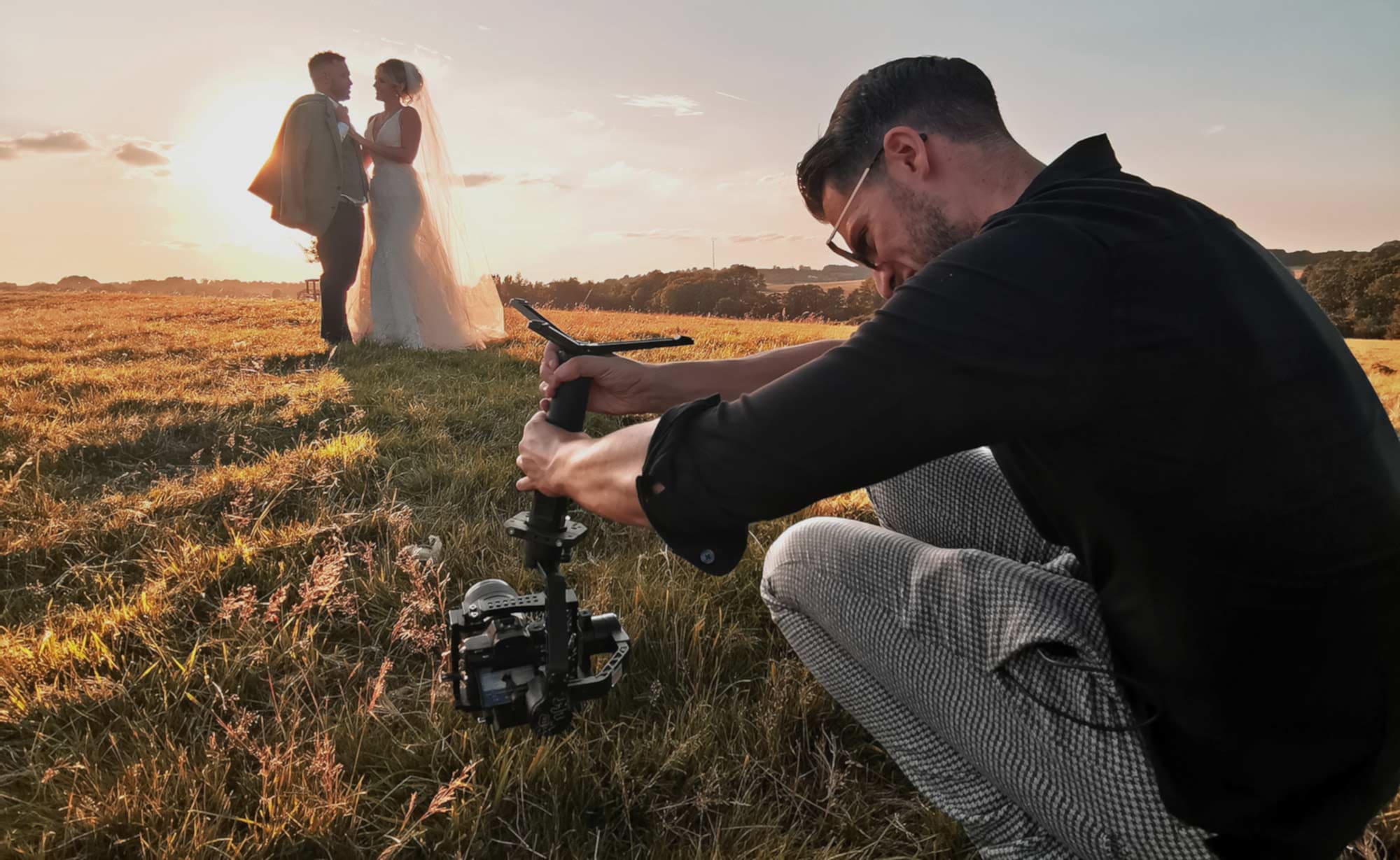
Videography has exploded in Australia, driven by social media content demand, YouTube creators, wedding videography, and businesses needing video marketing. For aspiring videographers, choosing between online and traditional in-person training significantly impacts your learning experience, costs, timeline, and ultimately career success.
Online videography courses offer flexibility to learn at your own pace from anywhere in Australia, typically lower costs than college programs, and ability to maintain current employment during training. In-person courses provide structured schedules with mandatory attendance, hands-on equipment access, and face-to-face instructor interaction.
This comprehensive guide compares online versus in-person videography training, helping Australian students make informed decisions aligned with their circumstances, learning preferences, and career goals.
Understanding Your Videography Training Options
Before comparing formats, understanding what each delivers helps you evaluate which better suits your needs.
Online Videography Courses
Modern online videography courses provide comprehensive training through video tutorials demonstrating techniques from multiple angles, written materials covering theory and concepts, practical assignments requiring you to create actual video projects, and tutor feedback on your submitted work.
Quality online programs like Australian Photography School include camera equipment, allowing immediate hands-on practice without initial investment. Course access typically remains available 12 months, with flexibility to study whenever and wherever suits your schedule—early mornings, evenings, weekends, or even during lunch breaks.
In-Person Videography Training
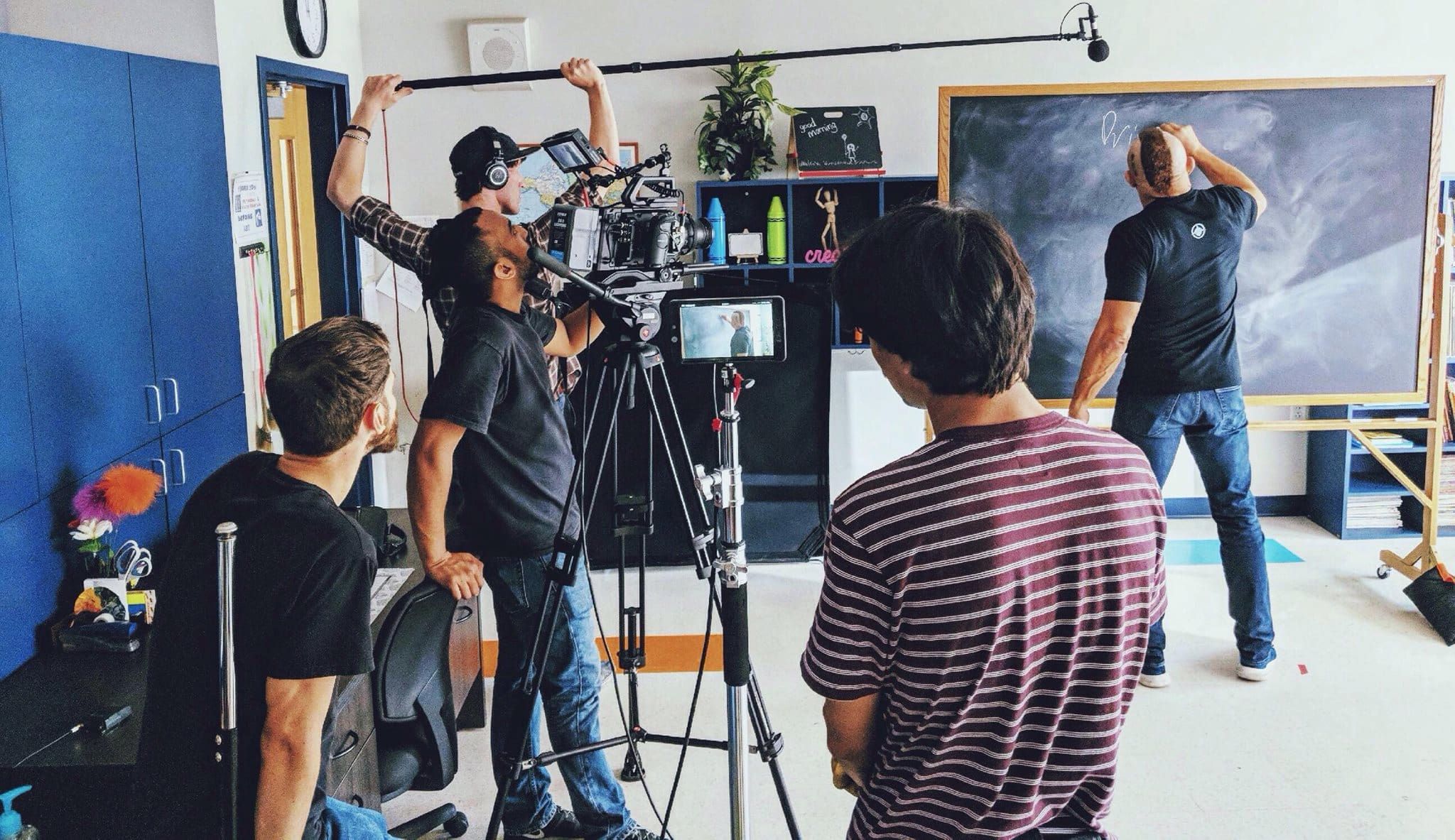
Traditional videography training operates from physical campuses in major Australian cities, typically through TAFE colleges, private film schools, or university programs. Students attend scheduled classes multiple times weekly, using school equipment during practical sessions, receiving immediate instructor feedback, and completing assignments between classes.
According to TAFE Queensland, videography certificates typically require 6-24 months depending on intensity, with full-time students completing faster than part-time evening attendees. Programs range from short certificates through advanced diplomas with varying depth and complexity.
Comparing Costs
Financial investment significantly influences training decisions, particularly for career changers or those without substantial savings.

Online Videography Course Costs
Online videography training typically costs $1,500-$3,500 for comprehensive courses including professional-level instruction, camera and basic equipment, ongoing tutor support, and certification upon completion.
Australian Photography School’s Videography Course includes optional professional camera with flexible payment plans from $35/week—making professional training accessible without large upfront investment. Total cost remains fixed regardless of how quickly you complete training, incentivising focused learning.
In-Person Course Costs
Traditional videography programs cost significantly more, with TAFE certificates ranging $3,000-$8,000 depending on duration and state, private film school programs costing $8,000-$25,000+ for comprehensive diplomas, and university degrees requiring $20,000-$60,000+ over 3-4 years.
Beyond tuition, in-person training includes substantial hidden costs such as travel expenses commuting to campus regularly, parking fees at urban campuses, equipment rental if school equipment unavailable, and potentially childcare during class times.
According to Australian Taxation Office statistics, education represents the second-largest debt category for young Australians after housing—making affordable online alternatives particularly appealing for cost-conscious students.
Flexibility and Scheduling
Your current commitments—work, family, location—significantly impact which training format actually works practically.

Online Learning Flexibility
Online videography training offers unmatched flexibility through 24/7 course access allowing study anytime, anywhere, self-paced progression completing in weeks or months by choice, no geographic restrictions serving regional and remote students, and ability to maintain full-time work during training.
This flexibility particularly benefits parents studying during children’s sleep times, shift workers with irregular schedules, regional Australians without local film schools, and working professionals transitioning careers gradually.
Many online students complete comprehensive videography training in 3-6 months whilst maintaining employment, gradually transitioning from their current career to videography without financial cliff.
In-Person Schedule Constraints
Traditional training operates on fixed schedules requiring regular attendance at specific times, typically 2-4 days weekly for part-time programs or 4-5 days for full-time study, limited flexibility for work or family emergencies, and geographic proximity to campus (Sydney, Melbourne, Brisbane, Perth primarily).
Part-time evening classes accommodate working students but still demand consistent weekly commitment. Full-time programs essentially preclude employment, requiring savings or student loans sustaining you through training.
Missing classes creates gaps in learning, as most programs progress linearly with each session building on previous content. Make-up sessions rarely exist—missed content becomes your responsibility to catch up independently.

Learning Outcomes and Quality
The critical question: does learning format affect your actual videography competency and career readiness?
Skills Development in Online Courses
Quality online videography training develops complete technical competency through comprehensive video instruction showing techniques clearly, practical assignments requiring actual video production, constructive tutor feedback identifying improvement areas, and unlimited content review reinforcing difficult concepts.
Research from Education Services Australia indicates that online students in practical fields achieve equal competency to in-person students when courses include adequate practical components, instructor feedback, and student commitment.
The key is choosing reputable online programs with proven track records. Low-quality courses simply providing videos without feedback or practical requirements don’t produce professional-level skills—but neither do low-quality in-person programs.
Skills Development in In-Person Courses
In-person training provides immediate instructor observation during practical work, access to professional equipment during classes, collaborative learning with classmates, and structured progression through curriculum.
However, equipment access often limits actual hands-on time—with 15-20 students sharing cameras, your personal practice time may be limited to brief class periods. Online students with included equipment often log more actual shooting hours through unrestricted home practice.

Equipment Access and Practice Opportunities
Hands-on practice with actual cameras is non-negotiable for developing videography skills—theory alone doesn’t create competence.
Equipment in Online Training
Quality online videography courses include cameras and basic equipment, allowing immediate practice upon enrolment. Australian Photography School’s Videography Course includes a professional camera that becomes yours after course completion—no returns required.
This approach provides unlimited practice time on your schedule, builds familiarity with equipment you’ll actually use professionally, and eliminates competition for shared school resources.
Students supplement included basics with budget gear as needed—affordable LED lights, microphones, and tripods from retailers like Camera House or online from B&H Photo Video.
Equipment in In-Person Schools
Film schools and TAFEs provide professional-grade equipment during classes and often equipment checkout between sessions. This exposes students to cinema cameras, professional lighting kits, and audio equipment potentially costing $50,000+ for complete packages.
However, limited equipment means scheduling conflicts, restricted checkout periods limiting practice time, and no guarantee accessing preferred equipment when needed. Many students supplement with personal gear anyway, negating the equipment access advantage.

Instructor Interaction and Support
Access to experienced instructors accelerates learning, answers questions, and provides industry insights beyond technical instruction.
Online Course Support
Comprehensive online programs provide tutor support through email, discussion forums, video calls, and assignment feedback. Response times typically span 24-48 hours—adequate for addressing questions and receiving guidance.
While not instantaneous like in-person interaction, asynchronous support allows thoughtful, detailed responses rather than rushed in-class answers. Recorded lectures and written materials often provide clearer instruction than one-time in-person demonstrations.
Our online videography training includes six-day-weekly tutor availability, comprehensive assignment feedback, and ongoing access to instructors even after course completion.
In-Person Instructor Access
Traditional programs offer immediate face-to-face instructor interaction during classes, real-time questions and demonstrations, and casual conversations building mentor relationships.
However, actual instructor time divides among all students—a 20-student class means approximately 5% of instructor attention directed at you individually. Outside designated class times, instructor access may be limited or nonexistent.
Career Outcomes and Industry Recognition
Ultimately, training value depends on career outcomes—does format affect employability or success?
Online Videography Credentials
Reputable online videography courses provide recognized certifications, comprehensive portfolios from course projects, and technical competency equivalent to traditional programs. According to Australian Bureau of Statistics employment data, employers increasingly value demonstrated skills and portfolios over educational format.
Success stories from Australian Photography School graduates include wedding videographers earning $3,000-$8,000 per event, content creators serving Australian businesses, YouTube creators monetising channels, and real estate videographers building steady clientele.
Your portfolio and demonstrated skills matter infinitely more than whether training was online or in-person. Clients and employers care about results, not educational format.
In-Person Program Outcomes
TAFE and university programs provide nationally recognized qualifications, potential industry placements during training, and networking with classmates and instructors.
However, degree or certificate alone doesn’t guarantee employment or success. The Australian videography market rewards competence, reliability, and strong portfolios regardless of educational background. Self-taught videographers with stunning portfolios often out-earn degree holders with mediocre work.
Which Format Suits You?
Several factors should guide your decision, creating a personalized assessment rather than universal answer.
Choose Online Videography Training If You
Are working full-time and need flexible schedule, live in regional/remote areas without local film schools, have family commitments limiting campus attendance, prefer self-paced learning at your own speed, want to minimize educational costs and debt, or learn effectively through video instruction and written materials.
Online training works beautifully for self-motivated students with adequate self-discipline treating coursework seriously without external accountability.
Choose In-Person Training If You
Thrive on structured schedules and external accountability, live near quality film schools in Sydney/Melbourne/Brisbane, have adequate time for regular campus attendance, prefer collaborative learning with classmates, want extensive equipment access including cinema cameras, or struggle with self-directed online learning.
In-person training suits full-time students dedicating entirely to education without employment constraints, or those with strong preference for physical classroom environments.
Making Your Decision
Honest self-assessment prevents choosing format that sounds appealing but doesn’t match your reality. Consider your current work and family commitments, learning style and self-motivation level, budget and debt tolerance, geographic location and travel capacity, and career timeline and urgency.
For most Australian students, online videography training offers optimal combination of quality education, flexibility, and value. The key is choosing reputable programs with comprehensive content, equipment inclusion, and instructor support—not just cheap video collections claiming to be “courses.”
Getting Started
If online training suits your circumstances, research thoroughly ensuring programs include professional equipment or detailed gear guides, comprehensive curriculum covering shooting, editing, and business, experienced tutor support and feedback, practical assignments building portfolio, and flexibility matching your schedule and pace.
Our Online Videography Course checks all these boxes whilst remaining affordable through flexible $35/week payment plans. Combined with our Photography Business Course, you receive both technical videography training and commercial skills building profitable creative business.
For students interested in both photography and videography, our Professional Photography Course provides foundation easily expanded into video once core camera skills are mastered.
Ready to start your videography journey? Australian Photography School’s Online Videography Course provides everything covered in this comparison—comprehensive training, professional camera included, expert tutor support, and complete flexibility to learn at your own pace from anywhere in Australia. Study online with payments from $35/week, building skills launching your videography career without commute, rigid schedules, or excessive costs. Don’t let format confusion delay your dreams—explore our courses and start your videography training today.