

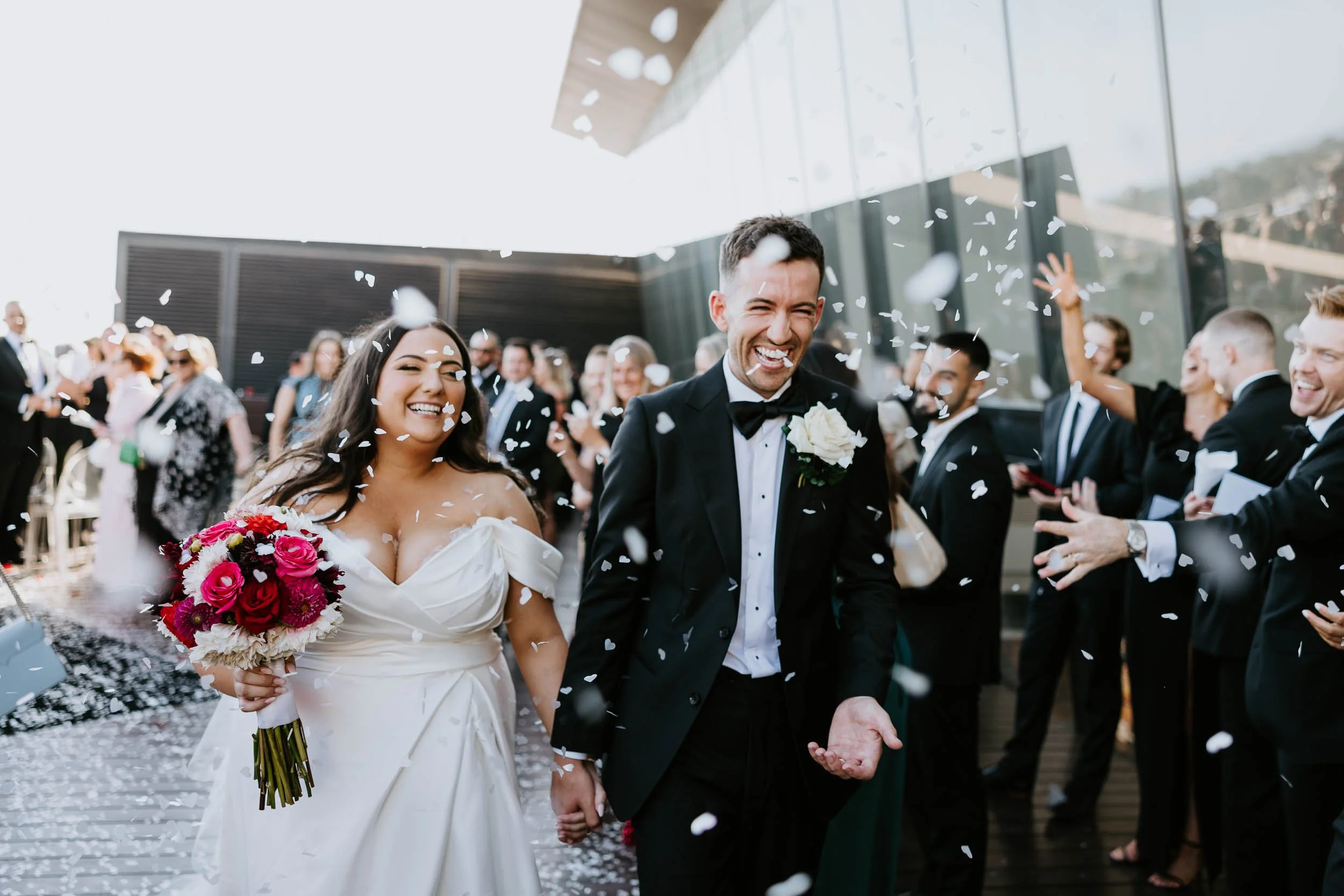
Starting a photography business in Australia offers incredible opportunities—from wedding photography commanding $3,000-$8,000 per event to commercial shoots for Australian brands, portrait sessions, and content creation for businesses. But transforming your photography passion into a legitimate, profitable business requires more than technical camera skills.
This comprehensive guide walks you through everything needed to establish a photography business in Australia, from legal registration and insurance to pricing strategies and client acquisition. Whether you’re in Sydney, Melbourne, Brisbane, or regional Australia, these fundamentals apply across the country.

Why Photography Business Training Matters
Many talented photographers struggle financially because they lack business acumen. According to the Australian Bureau of Statistics, around 30% of small businesses fail within the first three years, often due to poor business planning rather than lack of technical skill.
A structured photography business course teaches essential skills including pricing for profitability, client contract management, marketing and brand building, financial management and tax obligations, and legal compliance and insurance requirements.
The Australian Institute of Professional Photography (AIPP) reports that photographers with formal business training earn significantly more than self-taught business operators—often 40-60% higher annual incomes due to better pricing strategies, reduced legal issues, and more efficient operations.

Essential Legal Requirements for Australian Photography Businesses
Before taking your first paying client, establish your business legally to protect yourself and operate professionally.
Australian Business Number (ABN)
Your ABN is your business identifier with the Australian government. Register for free through the Australian Business Register if you’re genuinely in business (not just a hobby), operating with the intention of making profit, and repeating similar services or transactions.
Most photography businesses operate as sole traders initially, making ABN registration straightforward and free. You’ll need your ABN for invoicing clients, registering a business name, opening business bank accounts, and GST registration if applicable.
Business Name Registration
If trading under anything other than your personal name, register your business name through ASIC. Registration costs approximately $44 for one year or $102 for three years. Ensure your chosen name isn’t already registered and doesn’t infringe trademarks.
GST Registration
Once your annual turnover exceeds $75,000, GST registration becomes mandatory. Many photographers register voluntarily earlier because it allows claiming GST credits on equipment purchases—significant when buying $5,000+ camera bodies and lenses.
Register for GST through your business account on the Australian Taxation Office website. You’ll then charge 10% GST on services and submit Business Activity Statements (BAS) quarterly or monthly.
Professional Liability Insurance
Insurance is non-negotiable for photography businesses. Professional indemnity insurance covers claims if your work causes client financial loss, public liability insurance covers injury or property damage during shoots, and equipment insurance protects your valuable gear.
Annual premiums typically range from $400-$1,200 depending on coverage levels and annual turnover. Australian photography insurers include Aon, BizCover, and Guild Insurance. Most venues and corporate clients require proof of insurance before allowing you to shoot.

Pricing Your Photography Services in Australia
Pricing challenges most new photographers. Too low and you can’t sustain your business; too high and you struggle to attract clients. Strategic pricing balances profitability with market positioning.
Understanding Your Costs
Calculate your true business costs before setting prices. Include camera equipment and lenses (depreciation), computers and editing software subscriptions, website hosting and online galleries, marketing and advertising, insurance and professional memberships, travel and vehicle expenses, and your desired salary.
Many photographers fail to account for editing time—if a wedding shoot takes 8 hours but editing requires 15 hours, your total time investment is 23 hours, not 8. Price accordingly.
Australian Market Rates
Photography pricing varies significantly across Australia. Sydney and Melbourne wedding photographers typically charge $2,500-$8,000+, portrait sessions run $300-$800, corporate headshots cost $150-$400 per person, and commercial photography ranges from $800-$5,000+ per day.
Regional areas often support lower pricing, but reduced competition and overhead costs can still create profitable businesses. Research your local market through competitor analysis, speaking with venue coordinators and event planners, and joining local photography groups.
Pricing Strategies Taught in Business Courses
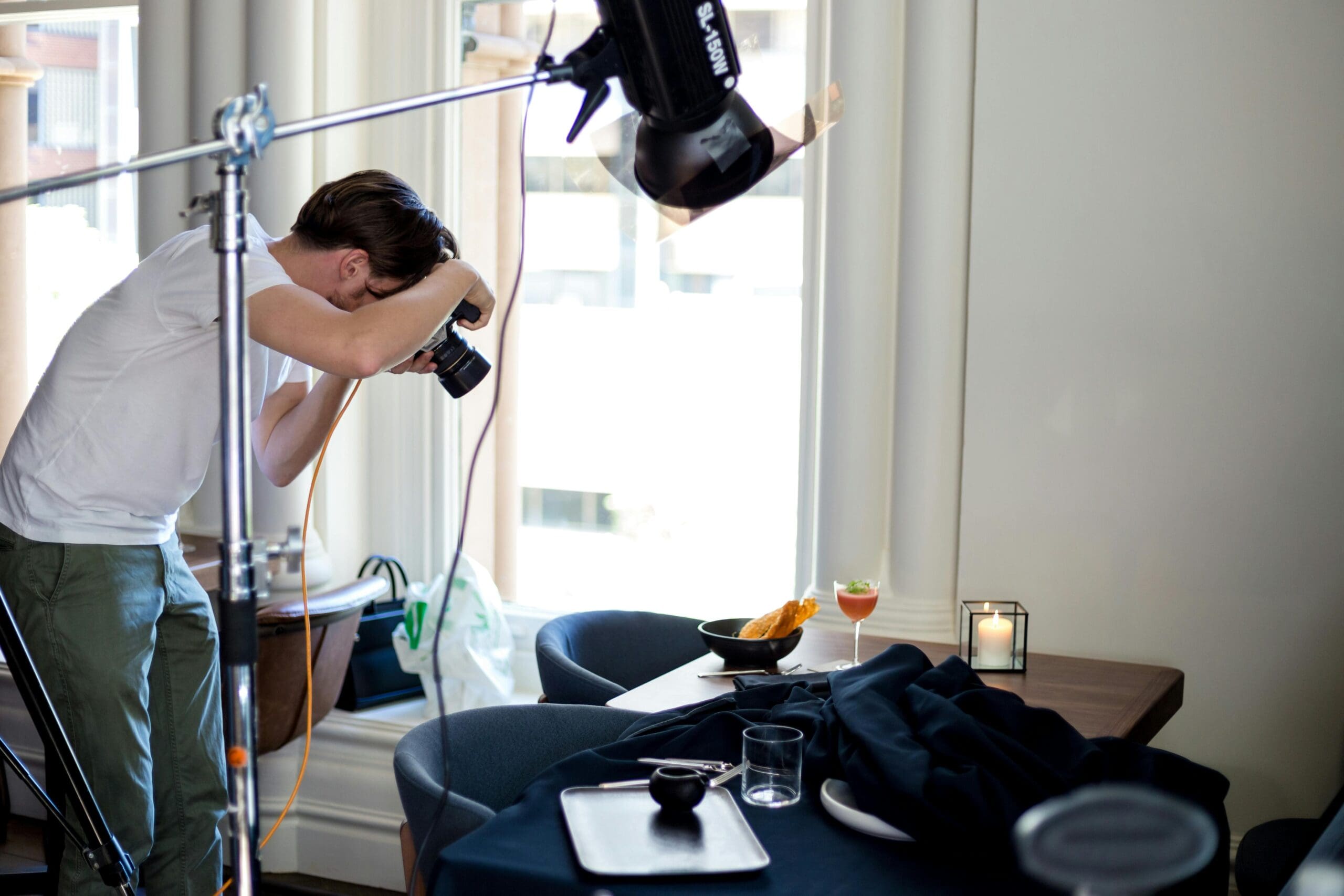
Quality photography business courses teach various pricing approaches. Cost-plus pricing adds markup to your costs, value-based pricing charges based on client value received, competitive pricing positions relative to market rates, and package pricing bundles services at perceived savings.
Most successful Australian photographers combine approaches—competitive baseline pricing with value-based premiums for specialised services or premium experience. Our professional photography course includes comprehensive business modules covering pricing psychology and strategies specific to the Australian market.
Building Your Photography Service Menu
Diversified service offerings create multiple revenue streams whilst attracting different client types.
Popular Photography Specialisations in Australia
Wedding Photography: Highest earning potential with packages from $2,500-$8,000. Requires weekend availability, quick turnaround, and high-pressure performance. Our wedding photography training covers both technical and business aspects.
Portrait Photography: Includes family portraits, newborns, maternity, and individual sessions. Steady demand year-round with repeat clients. Sessions typically $300-$800 plus print sales.
Commercial Photography: Serving businesses for marketing, products, corporate events, and headshots. Higher rates ($800-$5,000+ daily) but requires business networking and marketing skills.
Real Estate Photography: Growing market with quick turnarounds and volume potential. Typically $200-$600 per property depending on size and requirements.
Event Photography: Corporate events, parties, and functions. Rates vary from $150-$500 hourly depending on event type and usage rights.
Consider starting with one or two specialisations, building expertise and reputation before expanding. Portrait photography training provides excellent foundation for multiple photography directions.

Marketing Your Photography Business
Technical excellence means nothing if clients can’t find you. Strategic marketing attracts ideal clients whilst building sustainable business growth. Successful marketing is literally worth hundreds of thousands of dollars over your career, so invest the time to learn through YouTube, search the net or consider a low cost digital marketing course for business.
Essential Marketing Foundations
Professional Website: Your digital storefront must showcase your best work, clearly communicate services and pricing (or starting prices), include strong calls-to-action for bookings, and be mobile-responsive for smartphone browsers.
Australian photography websites should include location-specific content for local SEO—”Sydney wedding photographer” or “Melbourne portrait photography” helps you appear in local searches.
Google My Business: Free listing appearing in Google Maps and local search results. Essential for local clients searching “photographer near me” or “wedding photographer [city]”. Encourage satisfied clients to leave reviews boosting your visibility and credibility.
Social Media Presence: Instagram is crucial for Australian photographers, providing visual portfolio showcase, behind-the-scenes content building connection, and client testimonials and reviews. Facebook remains valuable for event photography, wedding inquiries, and local community groups where potential clients congregate.
Networking and Partnerships: Build relationships with wedding venues, event planners, makeup artists and stylists, real estate agents, and other photographers for referral networks. According to research from Business.gov.au, referrals and word-of-mouth remain the strongest lead source for Australian photography businesses.

Paid Advertising Considerations
Once established, paid advertising can accelerate growth. Google Ads targets people actively searching for photographers, Facebook and Instagram ads reach specific demographics and locations, and wedding directory listings like Easy Weddings connect with engaged couples.
Start small with $300-$500 monthly budgets, testing different approaches before scaling what works. Many photographers find organic marketing sufficient initially, adding paid advertising once they’re consistently booked.
If paid advertising feels overwhelming, a digital marketing course will walk you through how to set up, run, and optimise these campaigns so every dollar you spend works as hard as possible.
Financial Management and Tax Obligations
Proper financial management separates sustainable businesses from those that struggle or fail despite talent.
Banking and Accounting
Open a separate business bank account keeping personal and business finances distinct. This simplifies tax time, looks professional to clients, and makes tracking business performance easier.
Use accounting software like MYOB, Xero, or QuickBooks for tracking income and expenses, generating invoices and quotes, managing GST obligations, and preparing for tax returns.
Many photographers benefit from engaging bookkeepers or accountants, particularly around tax time. Costs typically $500-$2,000 annually but often save more through proper deductions and tax planning.

Tax Deductions for Photographers
Australian photography businesses can claim deductions for camera equipment and lenses, computers and editing software, vehicle expenses (business-related travel), home office costs (percentage if working from home), education and professional development, insurance premiums, marketing and advertising, and professional memberships.
Keep meticulous records and receipts. The ATO allows digital record keeping—photograph receipts with your phone using apps like Receipt Bank or Hubdoc.
Superannuation Considerations
Sole traders must manage their own superannuation. Consider making regular contributions both for retirement planning and tax benefits—contributions reduce taxable income whilst building retirement savings.

Growing Your Photography Business
Once operational, strategic growth increases income without proportionally increasing workload.
Increasing Prices
As you gain experience and build reputation, increase prices regularly. Most established photographers raise prices 10-20% annually, communicating increases to existing clients with advance notice whilst grandfathering some loyal clients on current rates.
Higher prices attract more serious clients who value your work, reduce price-shopping inquiries, and position you as premium provider.
Adding Revenue Streams
Expand beyond shooting services through selling prints and albums, offering photography workshops or mentoring, licensing images to stock photography sites, creating presets or educational content, and providing equipment rental to other photographers.
These additional income streams leverage your expertise without requiring additional shooting time.
Hiring Assistants or Second Shooters
As demand grows, hiring help allows you to serve more clients. Second shooters for weddings provide coverage whilst teaching newer photographers. Editors can handle post-processing, freeing your time for shooting and business development. Administrative assistants manage bookings, client communication, and admin tasks.
Even part-time help can dramatically increase your capacity and income whilst reducing stress.
Why Formal Photography Business Training Accelerates Success
While you could learn photography business skills through trial and error, structured training accelerates your path to profitability whilst helping you avoid costly mistakes.
Our Photography Business Course covers everything detailed in this guide plus advanced strategies for client acquisition, retention, and premium pricing; legal protection through proper contracts; workflow efficiency and automation; mindset and confidence for sustainable growth; and Australian-specific business requirements and best practices.
The course includes optional professional camera equipment and flexible payment plans from $35/week making business education accessible whilst you’re building your photography practice. For photographers wanting comprehensive technical and business training, our Professional Photography Course combines camera mastery with business fundamentals.
Taking Action on Your Photography Business
Understanding business requirements is valuable, but action creates results. Follow these steps to launch your Australian photography business:
Complete quality training covering both technical photography and business fundamentals. Register your business including ABN, business name if needed, and GST when appropriate. Obtain insurance protecting yourself and satisfying client requirements. Set up business systems including banking, accounting, and client management. Create professional marketing starting with website and social media presence. Price strategically covering costs whilst attracting ideal clients. Launch services beginning with discounted portfolio-building shoots if needed, then transitioning to full pricing.
Most importantly, commit to continuous learning. The photography industry evolves constantly with new technologies, techniques, and business models. Successful photographers treat education as ongoing investment rather than one-time event.
Australia’s photography industry offers genuine opportunity for skilled professionals who combine technical excellence with business acumen. With proper training, legal compliance, and strategic marketing, you can build a sustainable, profitable photography business serving Australian clients from Sydney to Perth and everywhere between.
Ready to start your photography business? Australian Photography School’s Business Course provides everything covered in this guide plus advanced strategies, templates, and ongoing support from experienced photography business owners. Study online at your own pace with flexible payments from $35/week, optional camera included. Don’t let business confusion hold back your photography dreams—explore our courses and start building your profitable Australian photography business today.