

Portrait photography captures people, their personalities, emotions, and stories. It’s one of the most popular photography genres because the demand never ends. Families want portraits, professionals need headshots, couples celebrate engagements, and businesses require team photographs.
This guide covers the technical settings and interpersonal skills needed to create flattering, compelling portraits.
Camera Settings for Portraits
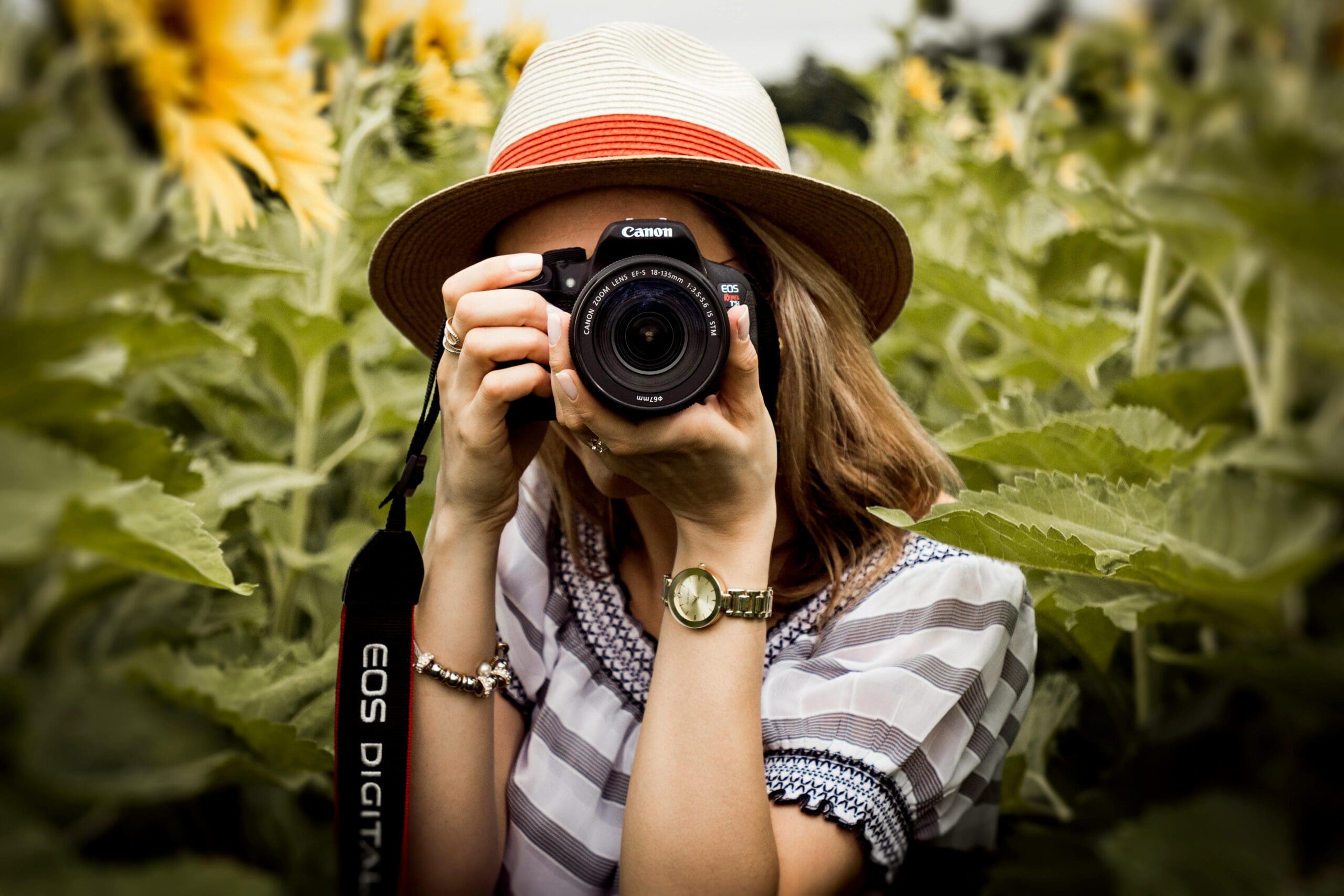
Aperture settings between f/1.8 and f/4 typically work best for portraits. These wide apertures create shallow depth of field, separating subjects from backgrounds with pleasing blur. The specific aperture depends on how many people you’re photographing and desired background separation.
Shutter speed must be fast enough to freeze any subject movement. Even seemingly still subjects shift slightly. Use at least 1/125s for posed adults, faster for children or candid moments.
ISO should be as low as conditions allow while maintaining appropriate aperture and shutter speed. Modern cameras handle ISO 400-800 without noticeable quality loss.
Focus on the eyes. Sharp eyes anchor portraits even if other areas fall slightly soft. Use single-point autofocus positioned precisely on the nearest eye.
Lens Selection
The 85mm focal length has earned its reputation as the classic portrait lens. This length provides flattering compression, comfortable working distance, and natural-looking perspective.
50mm lenses offer versatility. They work for portraits, environmental portraits, and many other applications. The affordable 50mm f/1.8 available for most camera systems provides an excellent starting point.
35mm lenses suit environmental portraits where context matters. The wider perspective includes more surroundings, telling stories beyond the face.
Lighting for Portraits
Golden Hour Magic
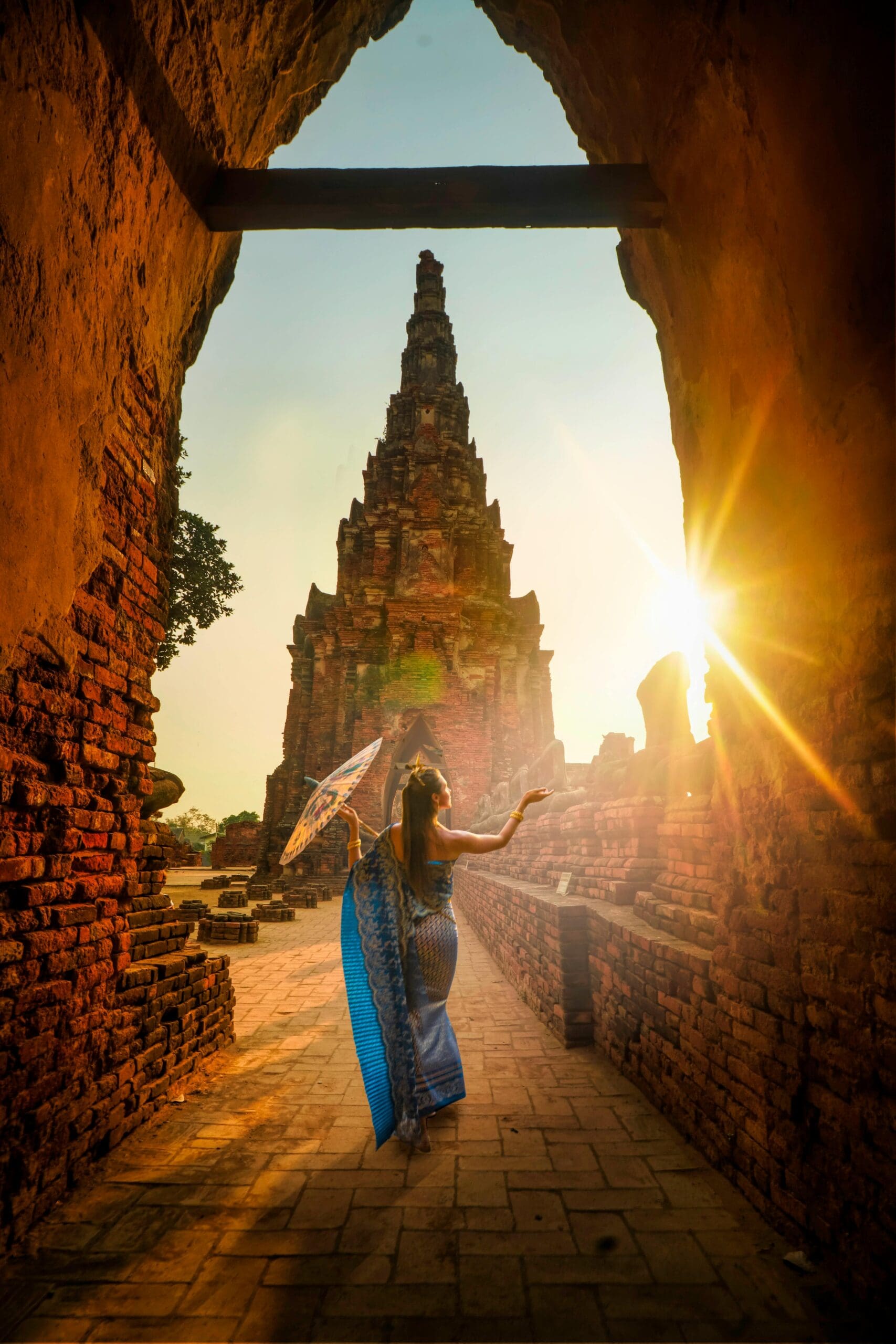
The hour after sunrise and before sunset provides warm, diffused light universally flattering for portraits. Long shadows add dimension while soft quality minimises skin imperfections.
Open Shade
Shaded areas on sunny days offer soft, even lighting. Position subjects in shade with open sky providing illumination. Avoid dappled light filtering through trees, which creates unflattering patterns.
Window Light Indoors
Large windows provide beautiful portrait lighting. Position subjects at angles to the window rather than facing it directly. Use reflectors or white walls to fill shadows on the opposite side.
Posing Fundamentals
Angle bodies at roughly 45 degrees to the camera rather than square-on. This slimming angle flatters most body types and creates dynamic compositions.
Hands require attention. Awkward hand positions distract viewers. Give subjects something to hold, rest hands naturally, or crop hands entirely.
Chin position affects how subjects appear. Slight forward extension and downward tilt defines jawlines flatteringly. Avoid tilting heads back, which creates unflattering nostril views.
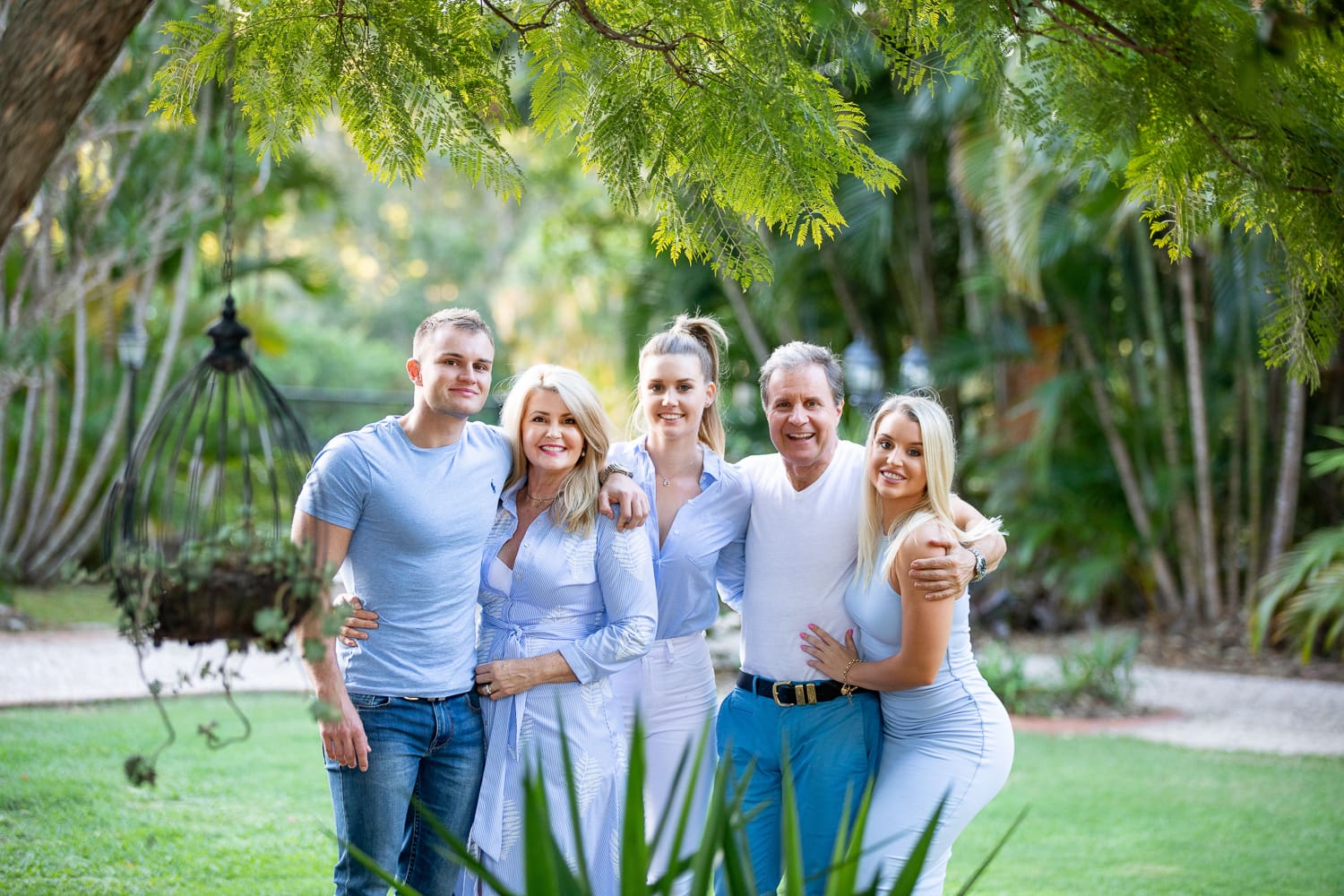
Directing Non-Models
Most portrait subjects aren’t professional models. They feel awkward, don’t know what to do with their faces or bodies, and need direction.
Conversation relaxes subjects. Talk about their interests, tell jokes, ask about their day. Genuine engagement produces natural expressions impossible to fake.
Movement helps stiff subjects. Walking toward the camera, adjusting hair, or shifting weight creates natural moments between posed shots.
Develop comprehensive portrait skills with the Certificate in Portrait Photography including lighting, posing, and business fundamentals.
Explore all photography courses at Australian Photography School.