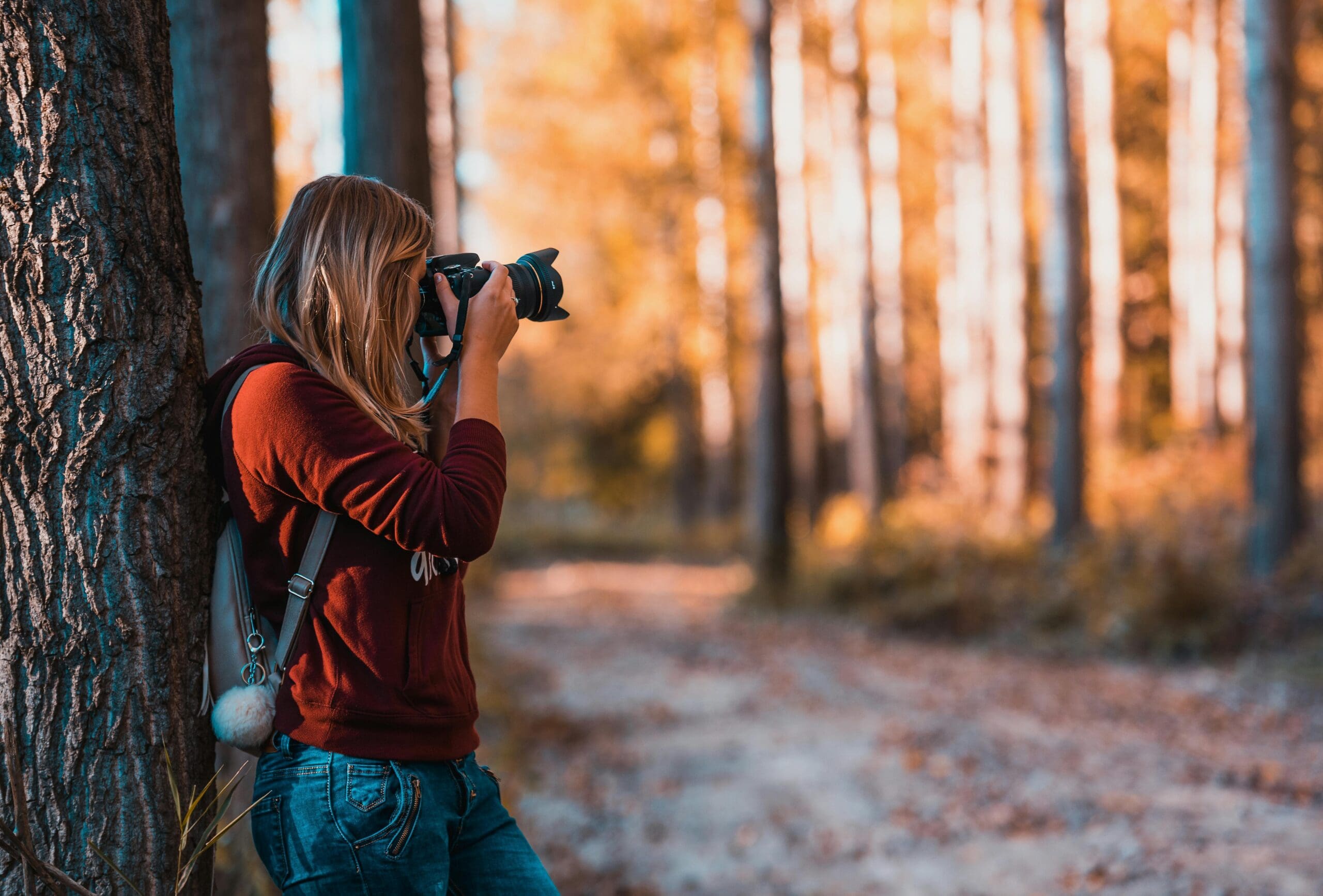


Portrait photography represents one of the most rewarding and profitable specialisations in Australian photography. From family sessions earning $400-$900 per shoot to corporate headshots commanding $150-$400 per person, skilled portrait photographers build sustainable businesses capturing the essence of their subjects whilst creating images clients treasure for lifetimes.
But creating compelling portraits requires more than pointing a camera at someone and pressing the shutter. Professional portrait photography demands technical mastery of lighting and exposure, understanding of posing and composition, ability to connect with subjects emotionally, efficient post-production workflow, and business acumen to price and market services profitably.
This comprehensive guide explores what quality portrait photography training should include, helping Australian photographers develop the skills needed to build thriving portrait businesses from Sydney to Perth.
Why Professional Portrait Training Matters
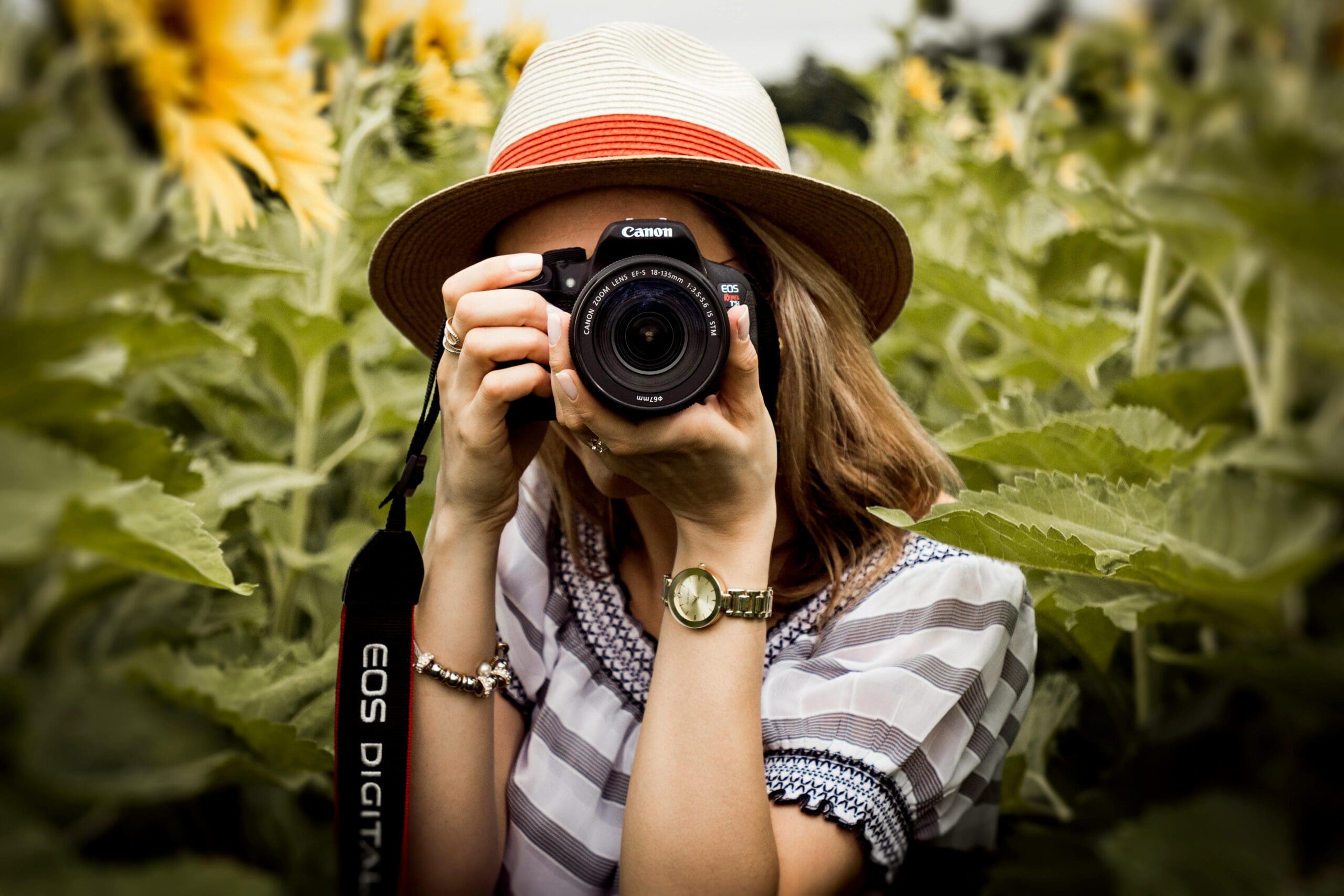
Many amateur photographers capture decent portraits occasionally but struggle to deliver consistent, professional results across diverse subjects, lighting conditions, and client expectations. The difference between occasional success and professional mastery is structured training.
According to the Australian Institute of Professional Photography (AIPP), photographers with formal training earn 40-60% more than self-taught practitioners whilst experiencing fewer client disputes and achieving higher customer satisfaction rates. Professional portrait photography training accelerates your learning curve by teaching proven techniques, helping you avoid expensive mistakes, building technical confidence, and providing business frameworks for profitable practice.
The Australian photography market rewards expertise—clients increasingly research photographers thoroughly before booking, reading reviews, examining portfolios, and comparing credentials. Professional training credentials differentiate you from hobbyists whilst justifying premium pricing.
Essential Technical Skills for Portrait Photography
Quality portrait training must cover fundamental technical competencies separating professional results from amateur snapshots.
Understanding Light and Exposure
Light is photography’s fundamental element, and portrait photographers must master natural light including direction, quality, and colour temperature. Golden hour shooting creates warm, flattering light perfect for outdoor portraits. Open shade provides even, soft illumination ideal for reducing harsh shadows. Reflectors bounce and modify natural light for enhanced results.
Artificial lighting expands creative control through continuous LED lighting for beginners, speedlights for portable location work, and studio strobes for maximum power and control. Understanding light ratios creates dimensional depth, catch lights bring life to subjects’ eyes, and fill light reduces harsh shadows.
Professional photography courses teach lighting principles applicable across all photography genres, whilst specialised portrait training dives deeper into techniques specific to human subjects.
Camera Settings for Portraits
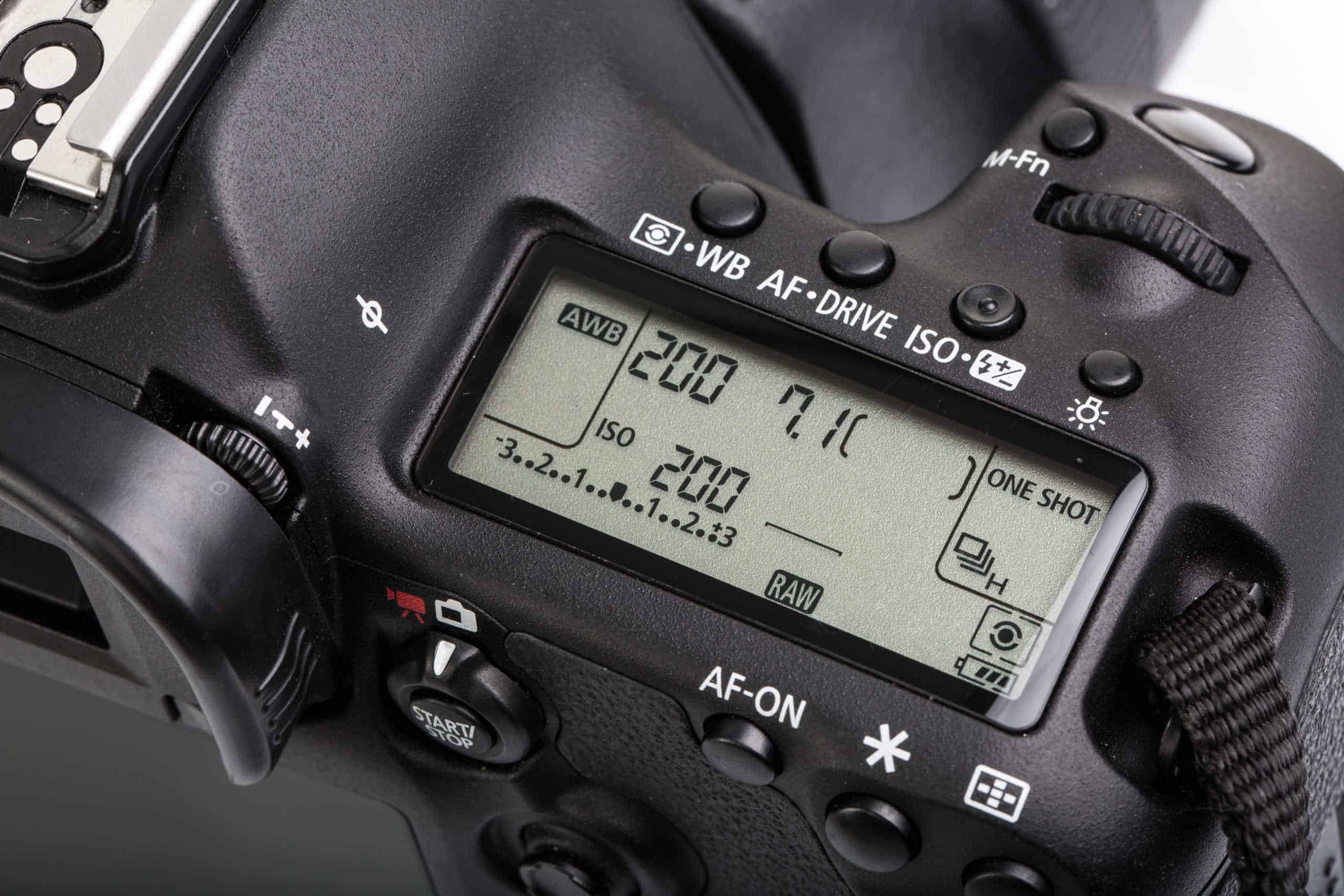
Optimal portrait settings create pleasing aesthetic whilst ensuring technical quality. Aperture selection typically favours wide apertures (f/1.8-f/2.8) for beautiful background blur (bokeh) whilst keeping subjects sharp. Shutter speed must be fast enough to freeze any movement, typically 1/160th second minimum. ISO should stay as low as possible whilst maintaining proper exposure, typically 100-800 in controlled conditions.
Understanding depth of field ensures proper focus placement—sharp eyes are non-negotiable in portraits, even if other facial features fall slightly out of focus. According to Canon Australia’s technical resources, the single most common technical error in portrait photography is missing critical focus on subjects’ eyes.
Lens Selection and Focal Length
Different lenses create distinct portrait aesthetics. 50mm lenses offer natural perspective and wide apertures, perfect for environmental portraits showing context. 85mm focal lengths are considered ideal for headshots and close portraits, creating flattering compression and beautiful bokeh. 70-200mm zoom lenses provide versatility for weddings and events whilst maintaining flattering perspective.
Wide-angle lenses (24-35mm) can create dynamic, editorial-style portraits but require careful technique avoiding unflattering distortion. Quality training teaches when each focal length excels and how to use perspective creatively.
Posing and Direction: The Art of Portrait Photography
Technical skills create properly exposed, sharp images, but posing and direction transform technical competency into art that clients love.
Understanding Body Language and Posing
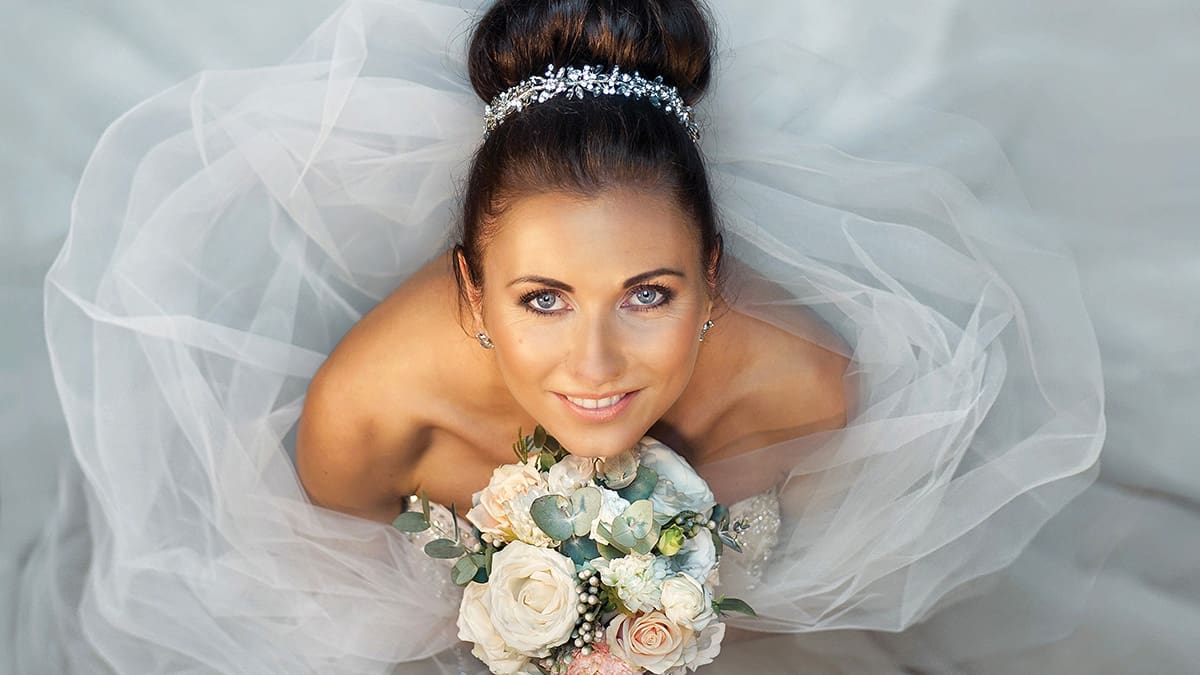
Natural-looking portraits require strategic posing that appears effortless. Key principles include angles and positioning, turning subjects’ bodies 30-45 degrees from camera rather than square-on creates more flattering body lines. Weight distribution has subjects shifting weight onto back foot creates more dynamic, relaxed stance. Hand placement requires careful attention—awkward hands ruin otherwise beautiful portraits.
Facial positioning involves subtle adjustments dramatically impacting results. Chin position affects jawline definition and can minimise double chins. Head tilt adds personality and connection, with different tilts conveying various emotions. Eye direction determines whether portraits feel intimate (direct eye contact) or contemplative (looking away).
Working With Different Subject Types
Portrait photographers must adapt approaches for varied subjects. Children require patience, quick work, and playful engagement to capture authentic expressions. Families need efficient coordination ensuring everyone looks good in the same frame. Corporate clients expect professional demeanour and rapid, efficient sessions. Couples benefit from prompts creating natural interaction rather than stiff posing.
Professional portrait photography training includes extensive guidance on directing subjects comfortably, creating authentic expressions rather than forced smiles, managing nervous or camera-shy individuals, and photographing efficiently without exhausting subjects.
Creating Connection and Authentic Expressions
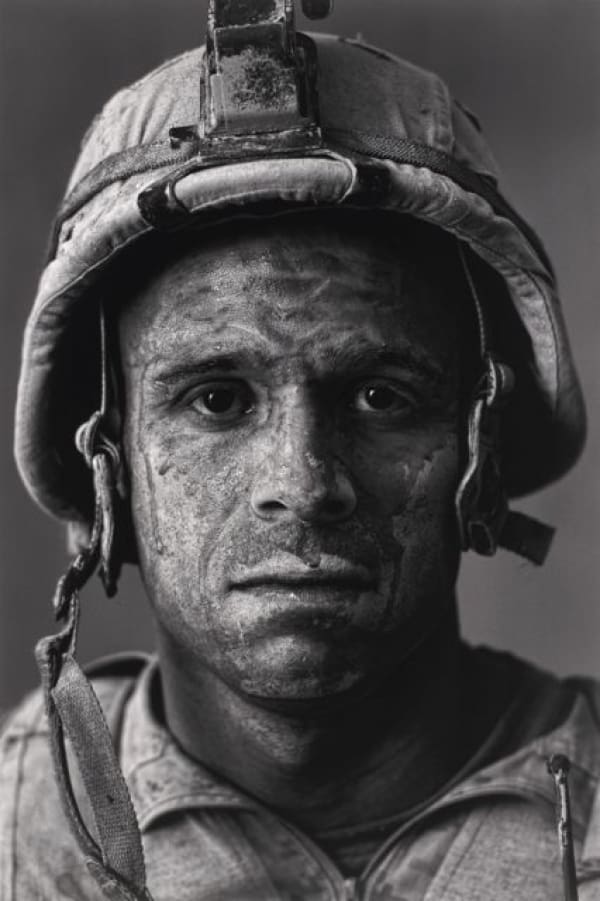
The most compelling portraits capture genuine emotion and personality rather than forced smiles. Skilled portrait photographers build rapport quickly through conversation and genuine interest, create comfortable environments where subjects relax, use prompts and activities generating authentic interactions, and work efficiently respecting subjects’ time and patience.
Many photographers develop signature conversation techniques—questions, jokes, or activities that consistently elicit natural expressions. This interpersonal skill separates competent technicians from truly exceptional portrait artists.
Australian-Specific Portrait Considerations
Australia’s unique environment and culture create specific considerations for portrait photographers.
Working in Australian Light
Australia’s harsh midday sun creates challenging conditions for outdoor portraits. The intense overhead light produces unflattering shadows, causes subjects to squint uncomfortably, and creates high contrast difficult to manage in-camera. Quality training teaches strategies for harsh Australian conditions including shooting during golden hours (early morning or late afternoon), finding open shade under trees or buildings, using reflectors and diffusers to modify harsh light, and embracing the challenge to create high-key, sun-drenched aesthetics.
Australian photographers must also manage extreme weather—from 40°C summer heat to sudden rain showers requiring flexibility and backup plans.
Outdoor Location Scouting
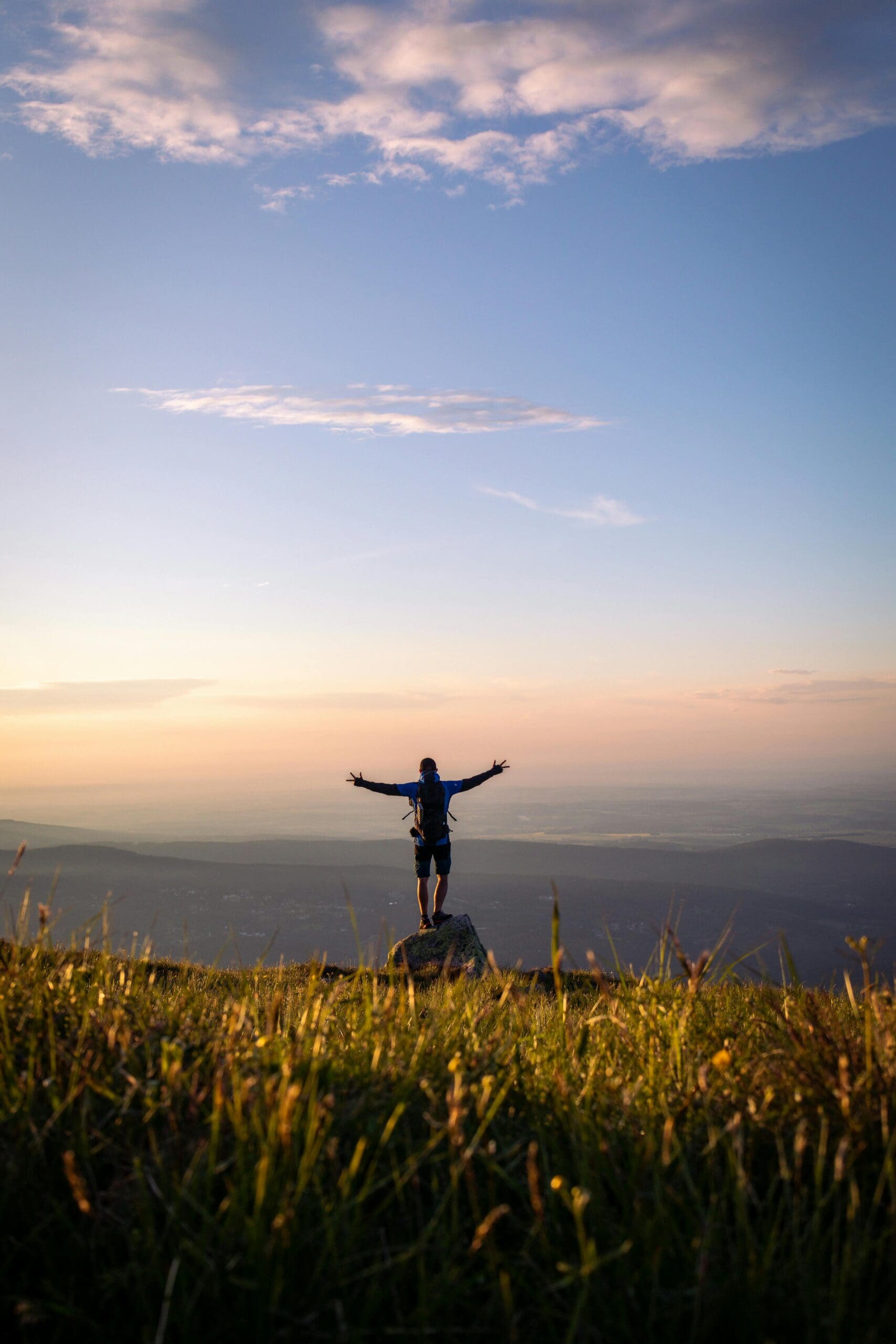
Australia offers stunning natural portrait locations from beaches and coastal landscapes to bushland and national parks, urban streetscapes in Melbourne and Sydney, and iconic landmarks like the Sydney Opera House or Uluru. According to Parks Australia, many Australian national parks and public spaces require permits for commercial photography—understanding local regulations prevents legal issues.
Cultural Sensitivity in Portrait Work
Australia’s multicultural population means portrait photographers work with subjects from diverse cultural backgrounds. Some cultures have specific preferences about physical contact during posing direction, different comfort levels with direct eye contact, varying concepts of appropriate dress and exposure, and distinct expectations about family hierarchy in group portraits.
Culturally sensitive photographers research and respect these differences, ask permission before physical posing adjustments, and remain flexible adapting to clients’ cultural norms.
Post-Production and Editing for Portraits
Capturing beautiful images in-camera is only half the portrait process—professional editing transforms good images into exceptional deliverables clients love.

Essential Editing Skills
Portrait editing requires specific competencies including skin retouching that looks natural rather than plastic or overdone, colour correction ensuring accurate, flattering skin tones, exposure and contrast adjustments for optimal impact, and selective sharpening enhancing eyes and important details.
Software proficiency is essential—most Australian portrait photographers use Adobe Lightroom for batch processing and organisation, Adobe Photoshop for detailed retouching, and Capture One as an alternative to Lightroom favoured by some professionals.
Our professional photography course includes comprehensive post-production training covering these essential tools.
Developing Your Editing Style
Consistent editing creates recognisable brand aesthetic whilst meeting client expectations. Popular Australian portrait styles include bright and airy with slightly lifted shadows and clean backgrounds, warm and golden with enhanced warm tones popular for family portraits, moody and dramatic with rich shadows and intense colours, and natural with minimal editing maintaining authentic skin tones and textures.
Develop editing presets and workflows for efficiency, allowing you to maintain consistency whilst processing images quickly. Professional portrait photographers often deliver 50-100+ edited images per session—efficient editing workflow is essential for profitability.
Managing Client Expectations
Clear communication prevents editing disputes. During consultations, show portfolio samples representing your editing style, discuss any specific requests or concerns, explain your standard editing approach, and set realistic timelines for delivery.
Many portrait photographers provide unedited proofs for client selection, editing only final selections to save time. Others edit all images for consistent presentation. Either approach works if clearly communicated upfront.
Building a Portrait Photography Business
Technical and artistic skills mean nothing if you can’t attract clients and run profitable operations.
Defining Your Portrait Niche
Rather than being a generalist shooting “portraits,” successful photographers often specialise. Popular Australian portrait niches include newborn and maternity photography commanding premium prices, family photography providing steady repeat business, corporate headshots serving business professionals, personal branding for entrepreneurs and influencers, and high school senior portraits popular in some Australian regions.
Specialisation allows focused marketing whilst building expertise in specific portrait types. Our photography business course helps you identify profitable niches matching your interests and local market opportunities.
Marketing Your Portrait Services
Successful portrait photographers attract clients through multiple channels. Social media, particularly Instagram and Facebook, showcases your work to potential clients. Google My Business ensures local clients searching “portrait photographer near me” find your business. Wedding vendor partnerships provide family portrait referrals from brides and grooms. School and daycare partnerships create volume opportunities photographing children. Corporate networking connects you with businesses needing headshots.
Client referrals remain the strongest lead source—exceptional service encourages clients to recommend you to friends and family.
Pricing Portrait Sessions
Australian portrait photographers typically use session fees plus product sales or all-inclusive packages. Session fee models charge $200-$500 for shooting and basic editing with clients purchasing prints, digital files, or albums separately. Package models offer fixed pricing including session and specific deliverables, simplifying decisions.
Most successful portrait photographers use package pricing starting around $400-$600 for basic sessions, $600-$900 for standard packages, and $900-$1,500+ for premium offerings. Higher volume photographers may price lower, whilst boutique specialists command premium rates.
Understanding your costs and desired income ensures profitable pricing—our photography business training provides detailed pricing strategies specific to Australian portrait photography.
Learning Portrait Photography: Training Options
Multiple pathways exist for portrait photography education, each with distinct advantages and limitations.
Self-Teaching Through YouTube and Books
Many photographers start learning through free YouTube tutorials and photography books. This approach costs little initially, allows learning at your own pace, and provides broad exposure to different photographers’ approaches.
However, self-teaching lacks structured curriculum and skill progression, provides no feedback on your work to identify improvement areas, offers no support when facing challenges, and takes significantly longer to achieve professional competency.
Workshops and Short Courses
In-person workshops offer intensive learning over days or weekends, typically costing $300-$1,500. These provide hands-on practice with immediate instructor feedback, networking with other photographers, and focused attention on specific skills or styles.
Limitations include fixed schedules requiring travel and time away, location constraints (most workshops occur in major cities), and often lack follow-up support after the workshop ends.
Comprehensive Online Portrait Photography Training
Quality online photography courses combine structure and flexibility, offering complete curriculum covering technical, artistic, and business skills, ability to learn at your own pace from anywhere in Australia, ongoing access to materials for review and reference, and tutor support answering questions and providing feedback.
Our Portrait Photography Course provides comprehensive training from camera basics through advanced lighting, posing, and business development. The course includes optional professional camera equipment, flexible payment plans from $35/week, and lifetime access to course materials and updates.
Combined with our Photography Business Course, you receive both technical mastery and commercial skills needed for sustainable portrait photography business in Australia.
Common Portrait Photography Mistakes to Avoid
Even after training, photographers often fall into common traps that limit their success.
Technical Errors
Missed focus on eyes ruins otherwise beautiful portraits, improper white balance creates unflattering skin tones, harsh overhead lighting produces dark eye sockets and nose shadows, and incorrect exposure loses detail in highlights or shadows. Consistent technical excellence requires practice and attention to fundamentals even as creativity develops.
Business Mistakes
Many talented portrait photographers struggle financially through underpricing services and failing to cover costs, overdelivering beyond contracted scope, lacking proper contracts protecting their interests, and inconsistent marketing leading to feast-or-famine client flow. Professional business training prevents these profitability killers.
Client Management Issues
Poor client experiences damage reputation through unclear communication about deliverables and timelines, missed deadlines eroding trust, defensive responses to feedback or concerns, and failure to manage expectations from initial inquiry through delivery.
Exceptional client service generates referrals and repeat business—the foundation of sustainable portrait photography careers.
Your Path to Portrait Photography Mastery
Portrait photography offers rewarding creative expression whilst building profitable business serving Australian families, professionals, and individuals wanting beautiful images celebrating life’s moments and milestones.
Success requires both technical/artistic mastery and business acumen—understanding light, posing, and editing whilst also knowing how to attract clients, price profitably, and manage operations. Quality training accelerates your journey from enthusiastic amateur to confident professional, helping you avoid costly mistakes whilst building skills systematically.
Whether you’re starting completely new to photography or have some experience wanting to specialise in portraits, comprehensive training provides the foundation for sustainable success in Australia’s competitive but opportunity-rich photography market.
Ready to master portrait photography? Australian Photography School’s Portrait Photography Course provides complete training in lighting, posing, editing, and business—everything you need to build a thriving portrait photography business in Australia. Study online at your own pace with expert tutor support, optional professional camera included, and flexible payments from $35/week. Transform your passion for portraits into a profitable profession—explore our courses and start your portrait photography journey today.