

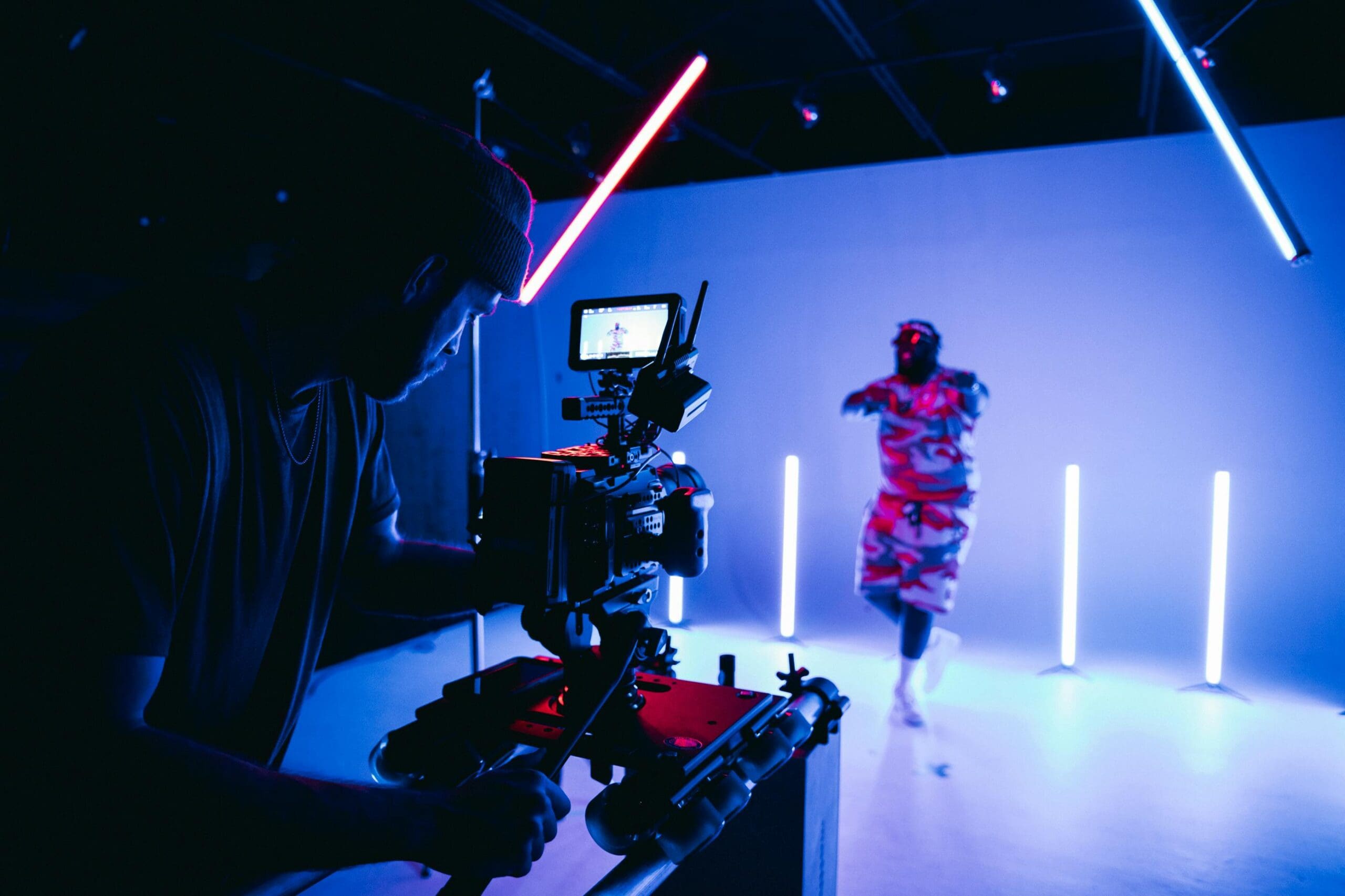
Video content dominates the modern media landscape. From social media feeds to corporate communications, from wedding memories to documentary storytelling, skilled videographers are in constant demand. The explosion of video across every platform has created opportunities that simply didn’t exist a decade ago.
A comprehensive videography course provides the technical skills, creative understanding, and practical experience needed to create compelling video content professionally. Whether you’re looking to build a freelance career, enhance your business offerings, or simply create better videos for personal projects, structured training accelerates your development dramatically.
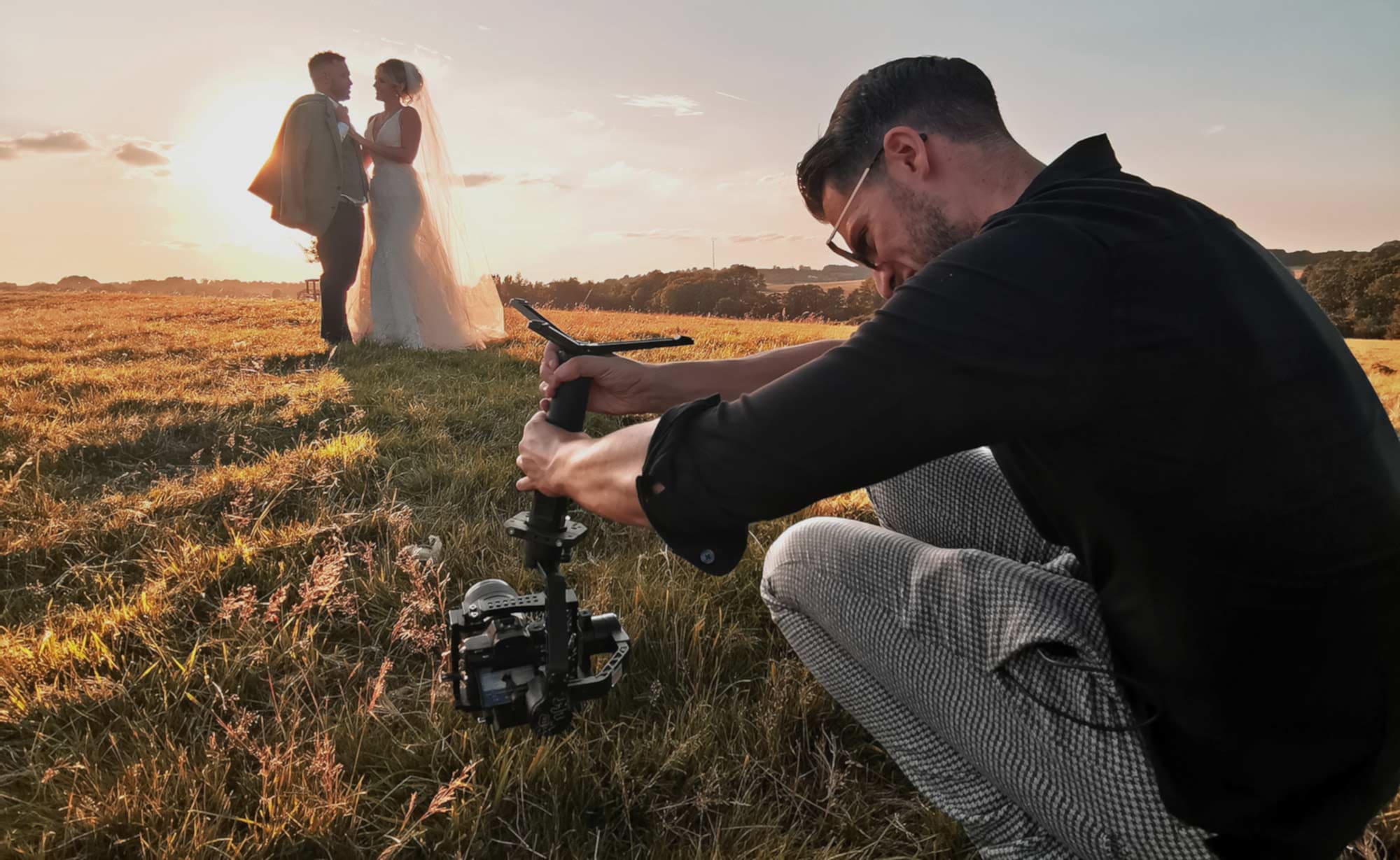
Why Learn Videography Now?
Video consumption continues growing exponentially. Social media platforms prioritise video content in their algorithms. Businesses increasingly rely on video for marketing, training, and communication. Wedding clients expect video alongside photography. Content creators build audiences through video storytelling.
This demand translates directly into career opportunities. Corporate videographers charge $500 to $2,000 per day. Wedding videographers earn $2,000 to $5,000 per event. Content creators monetise through sponsorships, products, and commissioned work.
Skills You’ll Master
Camera Operation for Video
Video camera operation differs significantly from still photography. Resolution choices, frame rates, codec options, and recording limits all require understanding. Courses teach video-specific camera settings ensuring technically sound footage.
Composition for Motion
While still photography principles apply, video composition adds temporal dimensions. Leading space for movement, anticipating action, and planning sequences require different thinking than single-frame capture.
Audio Recording
Audio quality often matters more than video quality for viewer engagement. Poor sound immediately signals amateur production regardless of visual excellence. Courses teach microphone selection, level management, and recording techniques.
Editing Skills
Post-production transforms raw footage into finished stories. Industry-standard software like DaVinci Resolve and Premiere Pro become familiar tools. Cutting rhythms, transition usage, colour grading, and sound design all contribute to professional results.
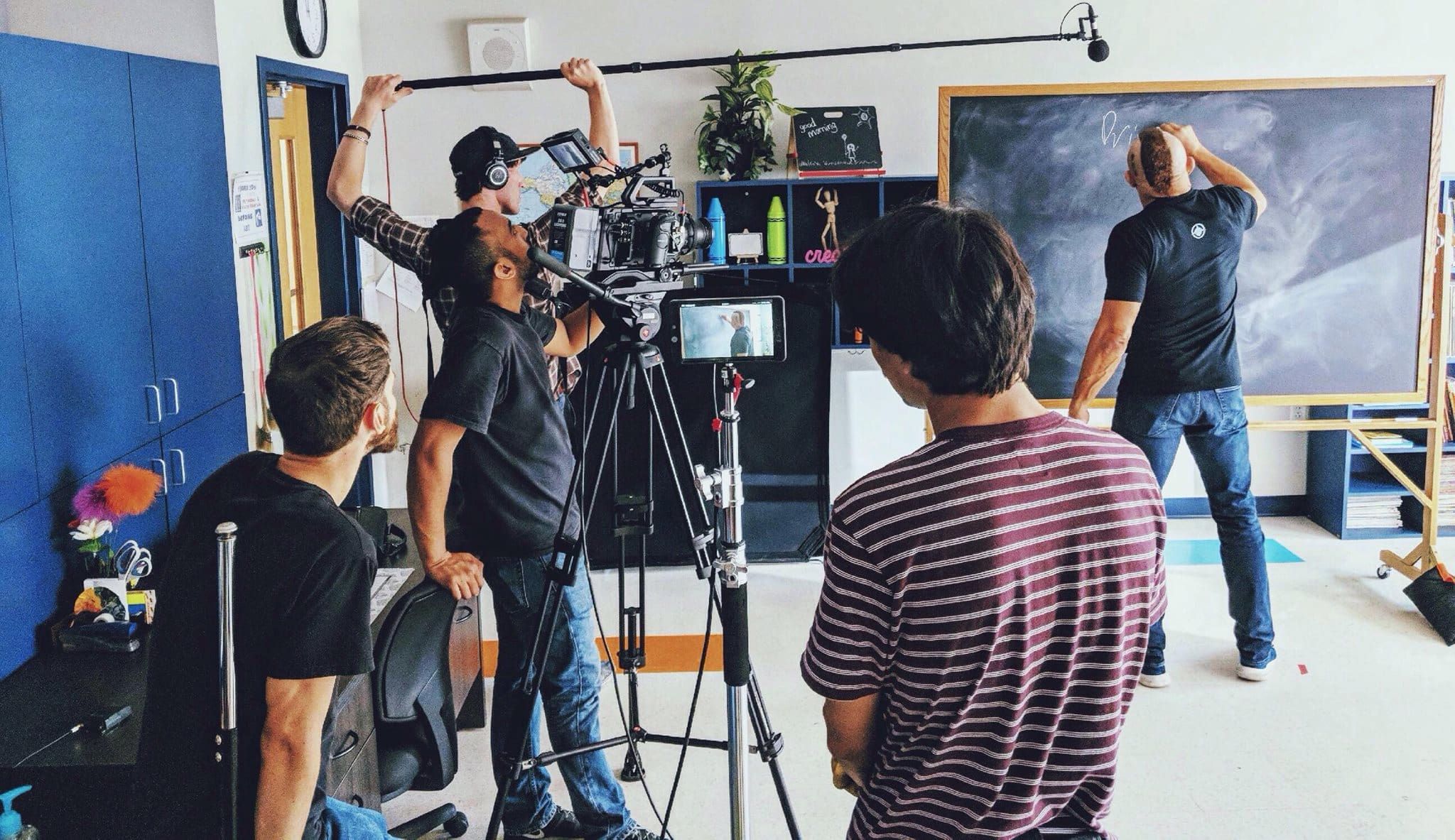
Industry Applications
Social media content creation serves brands needing consistent video presence. Corporate video covers internal communications, marketing materials, and training content. Wedding videography captures life’s significant moments cinematically.
Documentary work ranges from personal projects to commissioned productions. YouTube creation builds audiences and income through regular content. Advertising production serves agencies and direct clients with commercial messaging.
Equipment Considerations
The Certificate in Videography includes camera equipment, removing the barrier of initial equipment investment.
Beyond cameras, videographers need stabilisation tools, audio equipment, and powerful computers for editing. Courses guide equipment priorities, helping you invest wisely as skills develop.
Career Pathways
Freelance videographers enjoy project variety and schedule flexibility. Corporate positions offer steady income and equipment access. Wedding videography provides seasonal intensity with significant earning potential.
For those combining video with photography, the Certificate in Business Photography adds complementary skills for comprehensive client service.

Getting Started
Beginning videography training opens doors to one of the most in-demand creative skills today. Online learning provides flexibility to develop skills while maintaining current commitments. Included equipment removes start up barriers. Explore videography training options at Australian Photography School