

Social media video content dominates the digital landscape in 2026, and the demand for skilled creators has never been higher. Instagram Reels, TikTok, YouTube Shorts, and LinkedIn video are driving engagement at rates that static images and text posts simply cannot match. For brands, businesses, and individual creators in Australia, video is no longer optional — it is the primary way to build audiences, drive sales, and establish authority. A videography course equips you with the filming, editing, and strategic skills needed to create social media video content that actually converts viewers into followers, leads, and customers.

The State of Social Media Video in Australia
Australians are among the most active social media users in the world. According to DataReportal’s 2025 digital report, over 21 million Australians use social media regularly, spending an average of nearly two hours per day scrolling through content. Video accounts for an increasingly dominant share of that consumption. TikTok alone has more than 9 million Australian users, and Instagram’s algorithm heavily prioritises Reels over static posts.
For businesses, this means that the ability to produce consistent, high-quality video content is a core marketing skill. For aspiring creators and freelancers, it means there is an enormous and growing market for social media video production services. Small businesses, e-commerce brands, hospitality venues, fitness studios, real estate agencies — virtually every industry now needs social media video content, and most lack the internal capacity to produce it. A videography course positions you to fill that gap.
What a Videography Course Teaches You About Social Media Video
Social media video production requires a specific skill set that differs from traditional filmmaking or corporate video. The content is shorter, more dynamic, and optimised for mobile-first consumption. A well-designed videography course addresses these specific requirements.
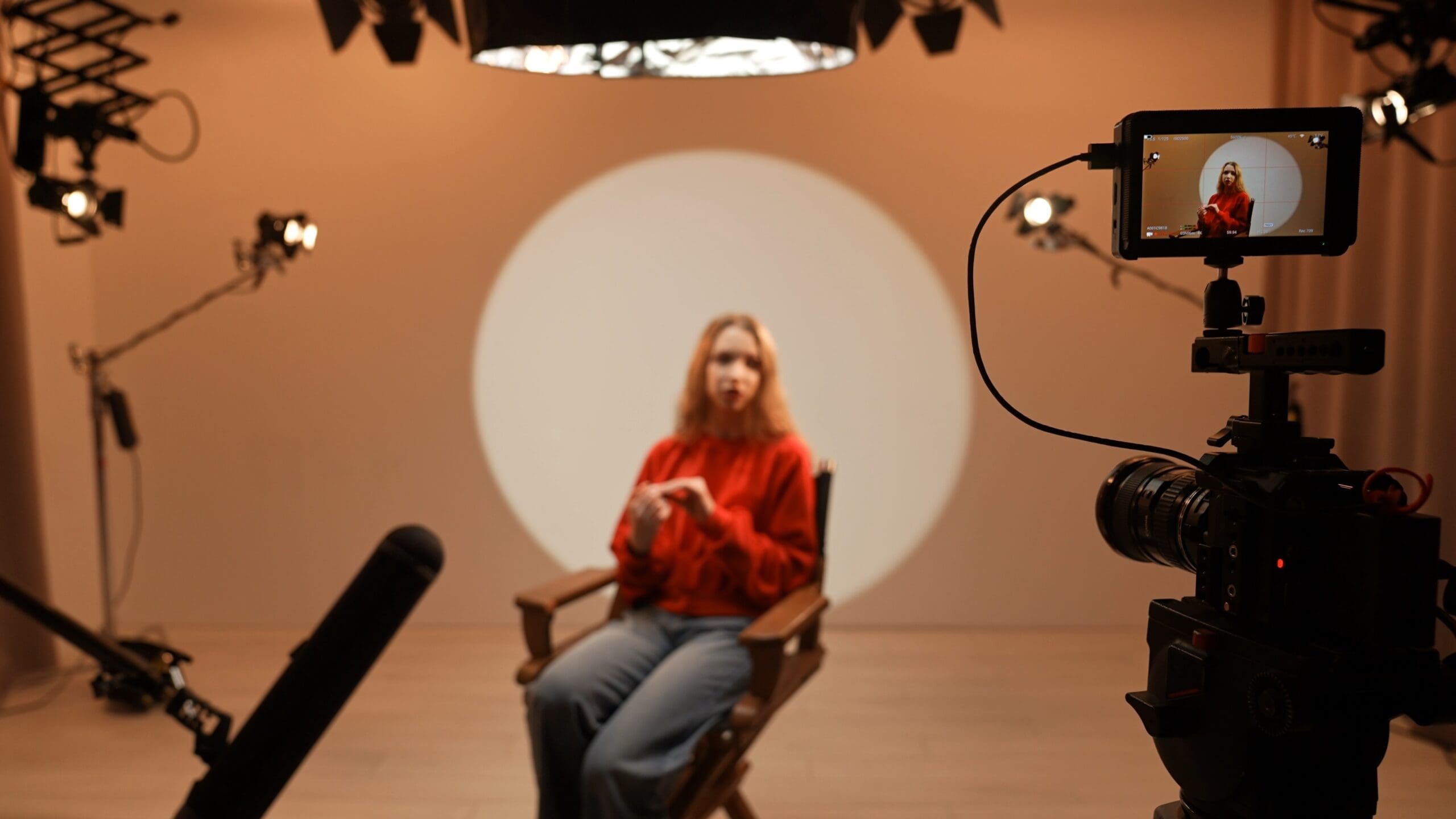
Camera operation for social media work emphasises versatility and speed. You need to be comfortable shooting vertical and horizontal formats, switching between wide and tight compositions quickly, and filming handheld with controlled, intentional movement. Smartphone filming is increasingly acceptable for certain types of social content, but understanding how to leverage a mirrorless camera’s superior dynamic range, depth of field, and low-light performance gives your content a professional edge that stands out in crowded feeds.
A videography course covers all of these fundamentals through practical assignments that simulate real-world social media production scenarios. You learn not just how to operate equipment, but how to think about visual storytelling within the constraints and opportunities of short-form platforms.
Platform-Specific Strategies
Each social media platform has its own culture, algorithm preferences, and technical requirements. Content that performs well on TikTok may fall flat on LinkedIn, and what works on YouTube Shorts may not translate to Instagram Reels. Understanding these nuances is essential for creating content that reaches its intended audience.
TikTok rewards authenticity, trend participation, and fast-paced editing. The platform’s algorithm is uniquely powerful for organic reach — a well-made video from an account with zero followers can reach millions of viewers if it resonates. For videographers, this means learning to create content that hooks viewers in the first second, maintains attention through dynamic pacing, and delivers value or entertainment before the viewer scrolls away.
Instagram Reels prioritise visual polish and brand consistency. The Instagram audience skews slightly older than TikTok and tends to respond to aspirational, aesthetically cohesive content. For businesses, Reels are an opportunity to showcase products, share behind-the-scenes processes, and build community through relatable storytelling.
YouTube Shorts function as a discovery mechanism that funnels viewers toward longer-form content. If you or your clients maintain a YouTube channel, Shorts are a powerful tool for growing subscriber counts and driving traffic to full-length videos. Understanding this ecosystem is part of the strategic knowledge a videography course develops.
For a deeper understanding of platform algorithms and best practices, Hootsuite’s social media trends reports provide annually updated data that complements the practical skills you develop in a course.
Filming Techniques for Short-Form Content
Short-form social media videos thrive on visual energy. Static, tripod-mounted shots can work for talking-head content, but most high-performing social videos incorporate movement, varied angles, and dynamic transitions.
A videography course teaches you how to use camera movement intentionally. Push-ins create emphasis and draw the viewer’s eye to a subject. Pull-outs reveal context and environment. Whip pans between subjects create energy and pace. Overhead shots provide a satisfying bird’s-eye perspective for food, product, and process content.
Transition techniques are another essential skill. In-camera transitions — where you match movement, colour, or composition between two separate clips — create seamless visual flow without relying on post-production effects. These techniques are highly valued on TikTok and Reels because they demonstrate skill and keep viewers engaged. Learning to plan and execute transitions efficiently is a practical skill you develop through the structured assignments in a comprehensive videography course.
Editing for Social Media Platforms
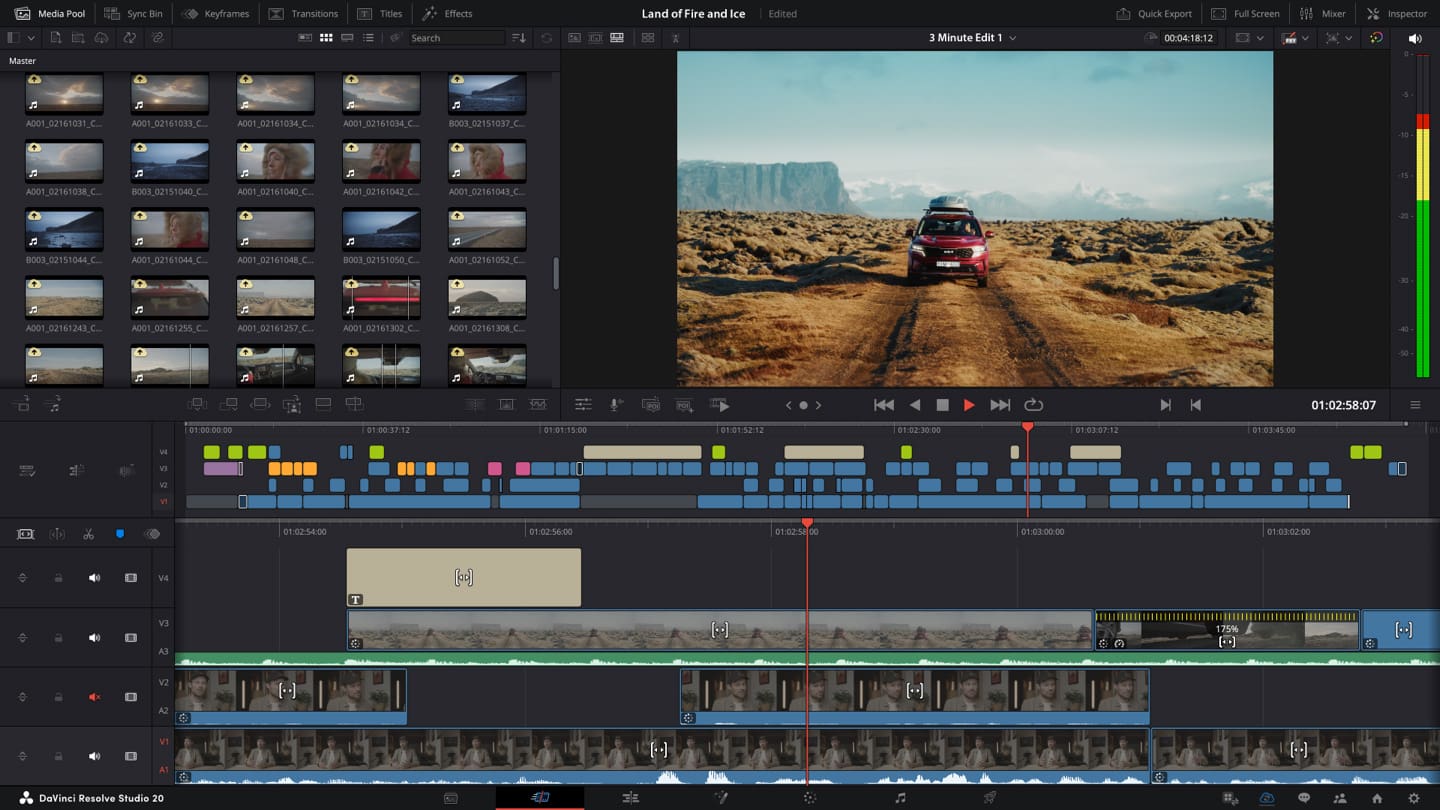
Editing social media video content is about pace, rhythm, and platform awareness. The editing style that works for a two-minute corporate video is entirely different from what works for a 15-second Reel. A videography course trains you in both, giving you the versatility to serve multiple content needs.
For short-form content, cuts should be frequent — typically every one to three seconds. Text overlays are often essential because a significant portion of social media video is consumed without sound. Captions should be concise, positioned centrally or in the lower third, and timed to match the pacing of the visual content. Music selection is also critical; trending audio tracks on TikTok and Reels can dramatically increase discoverability.
Mobile editing apps like CapCut have become standard tools for social media content, and a course will familiarise you with both mobile and desktop workflows. However, understanding professional desktop editing in DaVinci Resolve or Adobe Premiere Pro gives you the ability to produce higher-quality content and take on more complex projects. The DaVinci Resolve free training from Blackmagic Design is an excellent supplementary resource.
Content Strategy and Planning
Creating individual videos is one skill; developing a content strategy that drives results over weeks and months is another. A videography course that includes strategic training teaches you how to plan content calendars, batch-film content for efficiency, and align video production with marketing objectives.
Content batching is particularly important for social media videographers. Rather than filming one video at a time, you plan and film multiple pieces of content in a single session, then edit and schedule them over the following days or weeks. This approach dramatically reduces production costs for clients and increases your own efficiency as a freelancer.
Understanding analytics is also essential. You need to know how to read platform insights — watch time, retention rates, engagement ratios, and click-through rates — and use that data to refine your content approach. Videos that retain viewers past the three-second mark are rewarded with broader distribution. Videos where viewers watch to the end and then engage — through likes, comments, or shares — are pushed to new audiences. Incorporating this analytical mindset into your creative process is what separates effective social media videographers from those who simply produce pretty footage.
Monetising Social Media Video Skills
There are multiple revenue paths for videographers with strong social media skills. Freelance content creation for businesses is the most straightforward — you film and edit social media content on a retainer or project basis. Monthly retainer packages for small businesses typically range from $1,500 to $5,000 in the Australian market, depending on the volume and complexity of deliverables.
Managing and creating content for personal brands and influencers is another lucrative niche. As the creator economy grows, individuals building audiences on social platforms need skilled videographers to elevate their production quality.
You can also build your own personal brand as a videographer, using social media to showcase your work, attract clients, and establish authority in your niche. Many successful Australian videographers have built their client base entirely through their own social media presence. The business skills needed to price your services, manage clients, and scale your operations are developed through a photography business course that complements your creative training.
Equipment for Social Media Video Production
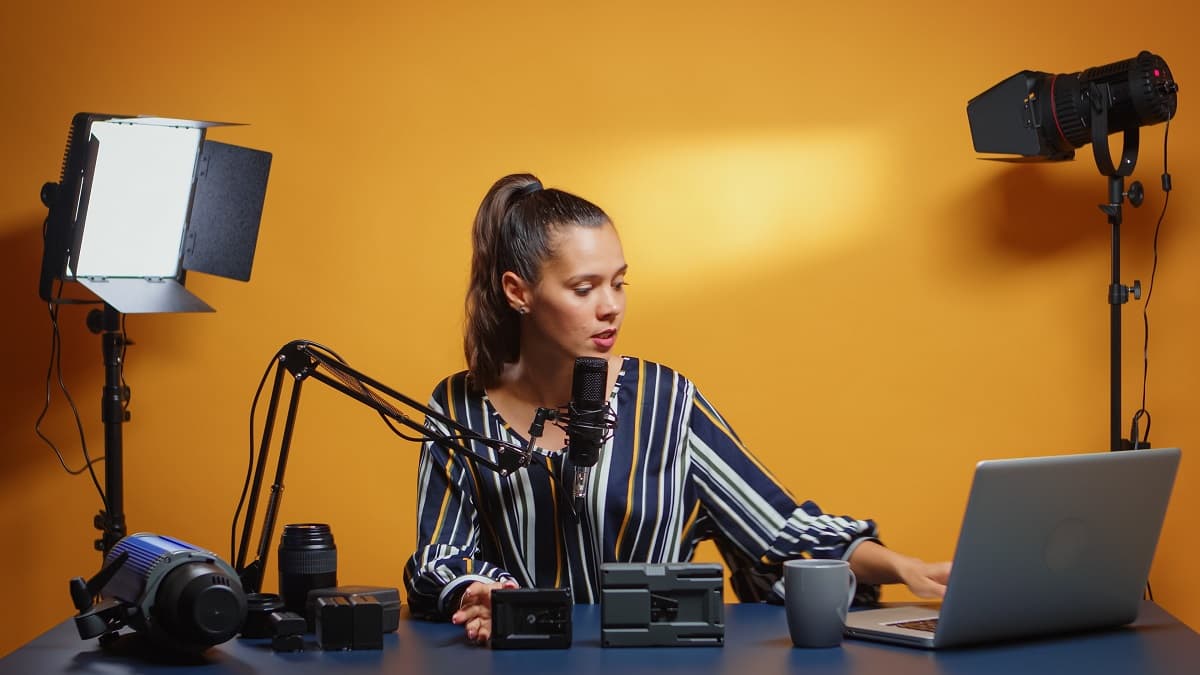
One of the advantages of social media video production is that the equipment barrier to entry is relatively low compared to traditional filmmaking. A capable mirrorless camera, a versatile zoom lens, a compact LED light, a quality lapel microphone, and a gimbal or small tripod are all you need to produce professional content. The total investment for a solid starter kit is between $2,000 and $4,000, and many videography courses include a camera with enrolment to reduce that initial cost even further.
As your business grows, you can invest in additional equipment — drones for aerial footage, sliders for controlled camera movement, and professional lighting kits for studio-quality results. But the key message is that you do not need an elaborate setup to start producing excellent social media content. What you need is the skill to use your equipment effectively, and that is exactly what a structured course provides.
Start Creating Content That Converts
Social media video is not a trend — it is the foundation of modern digital communication. Whether you want to freelance as a content creator, work with businesses on their social strategy, or build your own brand, the skills you need start with proper training. Explore the Certificate in Videography at Australian Photography School and learn how to film, edit, and strategise social media video content that gets results. With flexible online study, a professional camera included, and expert tutors providing real-world feedback, you will be creating scroll-stopping content in weeks, not months. Reach out to our team today and start your journey into one of the most exciting and in-demand creative careers in Australia.