
Video dominates modern media consumption. Social platforms prioritise video content. Businesses communicate through video. Events demand video documentation. The explosion of video across every application has created unprecedented demand for videography skills.
Starting videography feels overwhelming with seemingly endless technical concepts. This guide cuts through complexity to focus on essential skills that get you filming quality content quickly.
What Is Videography?
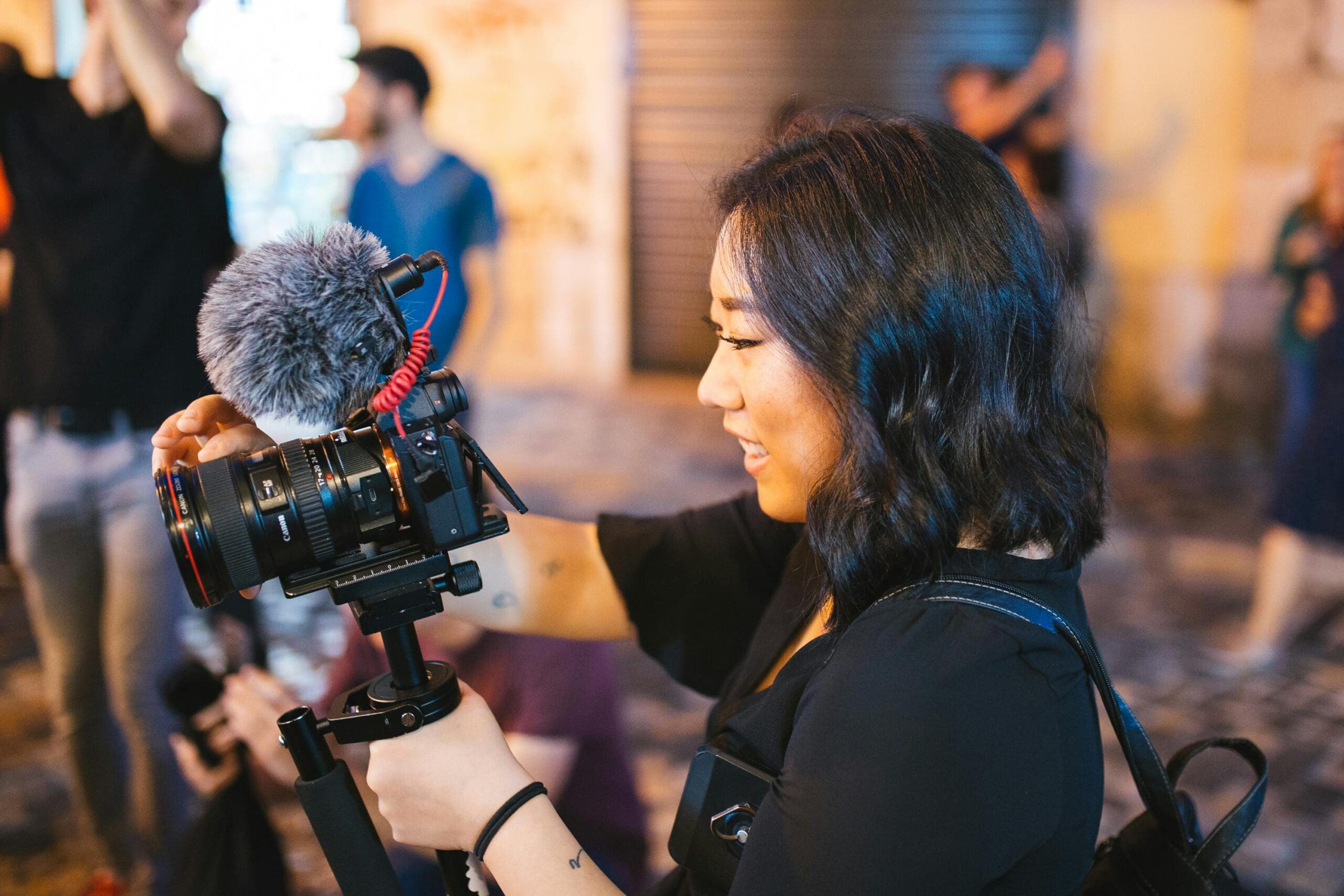
Videography encompasses the capture and production of video content. Unlike cinematography, which traditionally refers to narrative film production, videography covers broader applications including corporate video, event coverage, social content, and documentary work.
Modern videographers often handle complete productions, from planning through filming to editing and delivery. This end-to-end capability makes videography skills valuable across many industries.
Camera vs Smartphone
Smartphones shoot impressive video that was impossible at any price a decade ago. Their convenience, ubiquity, and increasingly capable cameras make them valid tools for many applications.
Dedicated cameras offer larger sensors producing better low-light performance and shallower depth of field. Interchangeable lenses provide creative options impossible on phones. Manual controls allow precise exposure management.
Start with whatever you have. Smartphone video teaches composition, movement, and storytelling without equipment investment. Upgrade to dedicated cameras as skills develop and limitations become apparent.
Essential Gear on a Budget
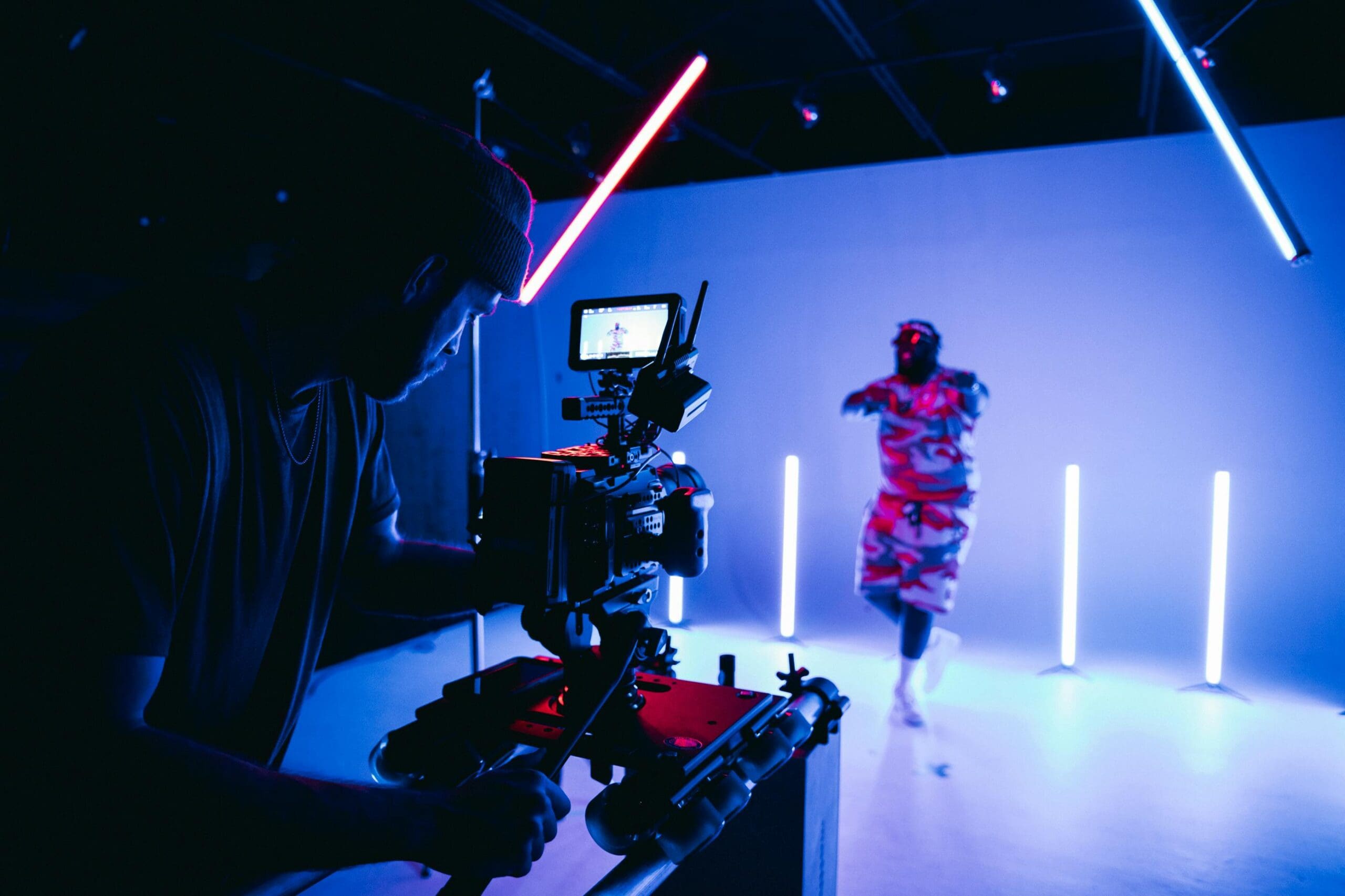
Camera options range from smartphones through consumer cameras to professional cinema rigs. Entry-level mirrorless cameras from major manufacturers shoot excellent video at reasonable prices.
A tripod provides stability essential for professional results. Even budget tripods dramatically improve production value compared to handheld footage.
External audio equipment represents perhaps the most important upgrade. A basic shotgun or lavalier microphone transforms unusable built-in audio into professional sound.
Lighting basics begin with reflectors and LED panels. Even inexpensive LED lights enable controlled shooting regardless of available light.
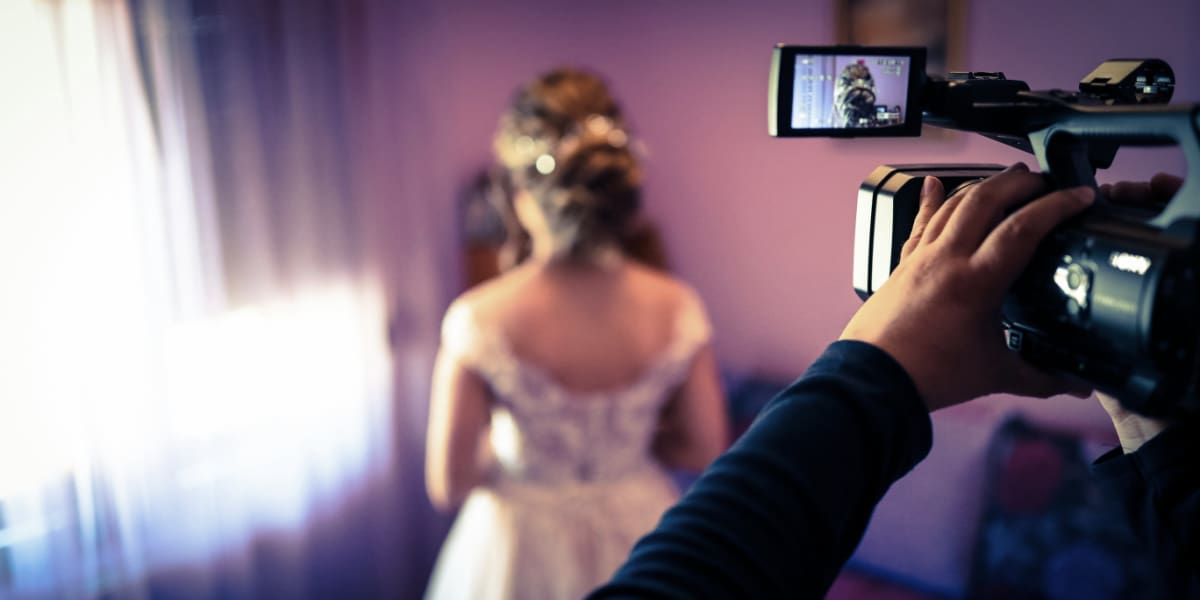
Composition for Video
Rule of Thirds in Motion
The rule of thirds applies to video as in photography, but temporal considerations add complexity. Subjects moving through frame need space to move into.
Shot Sizes
Wide shots establish context and location. Medium shots show subjects clearly for dialogue and action. Close-ups emphasise emotion, detail, and important elements. Mixing sizes creates visual variety and guides viewer attention.
Movement Techniques
Pan refers to horizontal camera rotation on a fixed axis, scanning across scenes or following lateral movement. Tilt describes vertical rotation, moving up or down.
Dolly movement physically moves the camera through space, advancing toward or retreating from subjects. This movement creates different emotional effects than zooming.
Motivated movement serves the story. Random camera motion distracts rather than enhances. Move the camera to follow action, reveal information, or create specific emotional responses.
Audio Basics
Audio quality often matters more than video quality for audience engagement. Viewers tolerate less-than-perfect images far more than poor sound.
Room tone affects audio dramatically. Hard surfaces reflect sound creating echoes. Soft furnishings absorb sound. Small, furnished rooms typically produce cleaner audio than large empty spaces.
Monitor audio during recording with headphones. Level meters help but listening catches problems meters miss.
Launch your videography career with the Certificate in Videography including camera equipment and professional tutor guidance.
Explore all courses at Australian Photography School.