
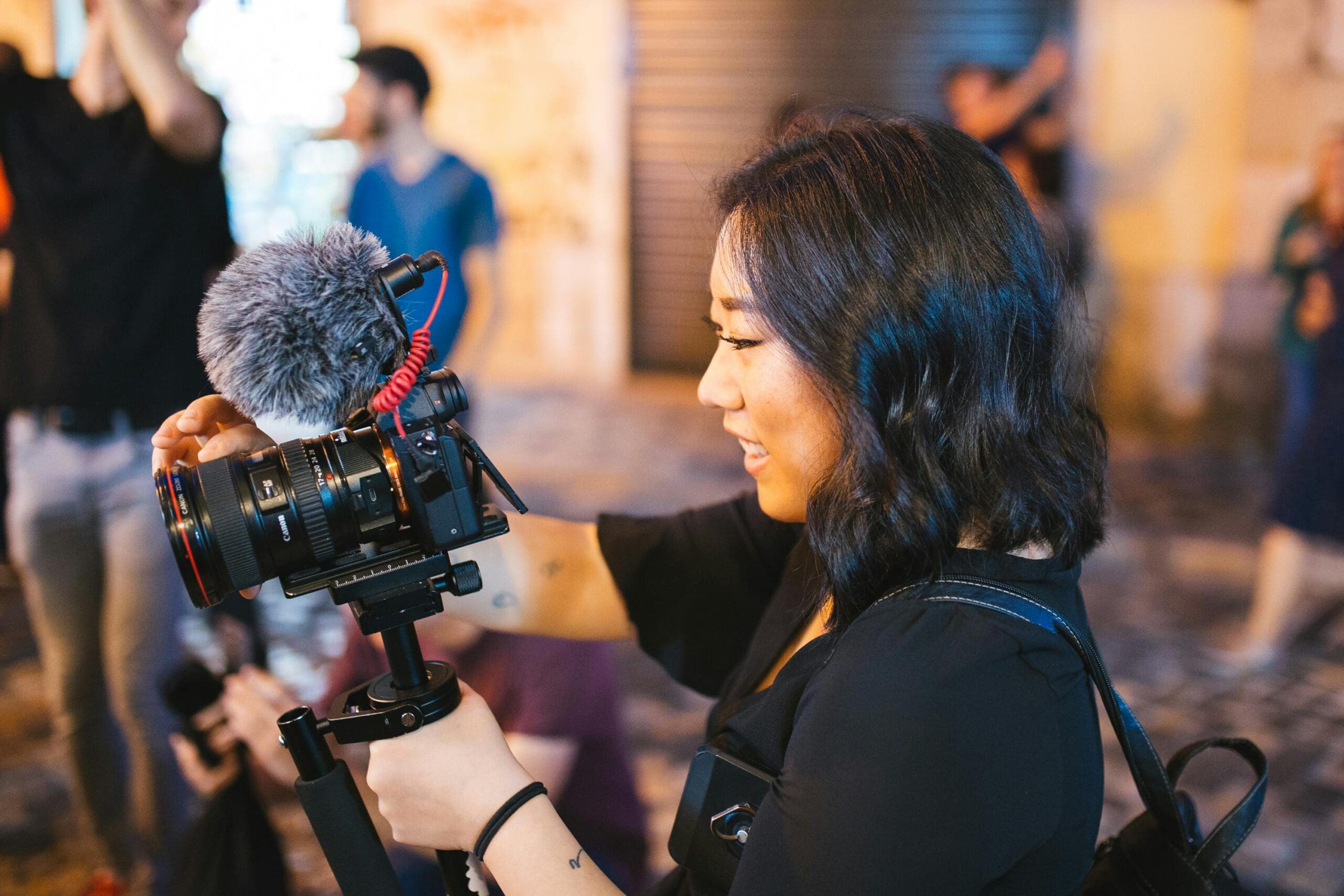
Documentary filmmaking is one of the most powerful forms of visual storytelling. It captures real people, real events, and real issues in a way that educates, inspires, and moves audiences to action. Australia has a rich documentary tradition — from groundbreaking environmental films to intimate personal stories — and there has never been a better time to learn the craft. A videography course provides the technical foundation and storytelling framework you need to create compelling documentaries, whether your goal is to submit to film festivals, produce content for streaming platforms, or tell stories that matter to your community.
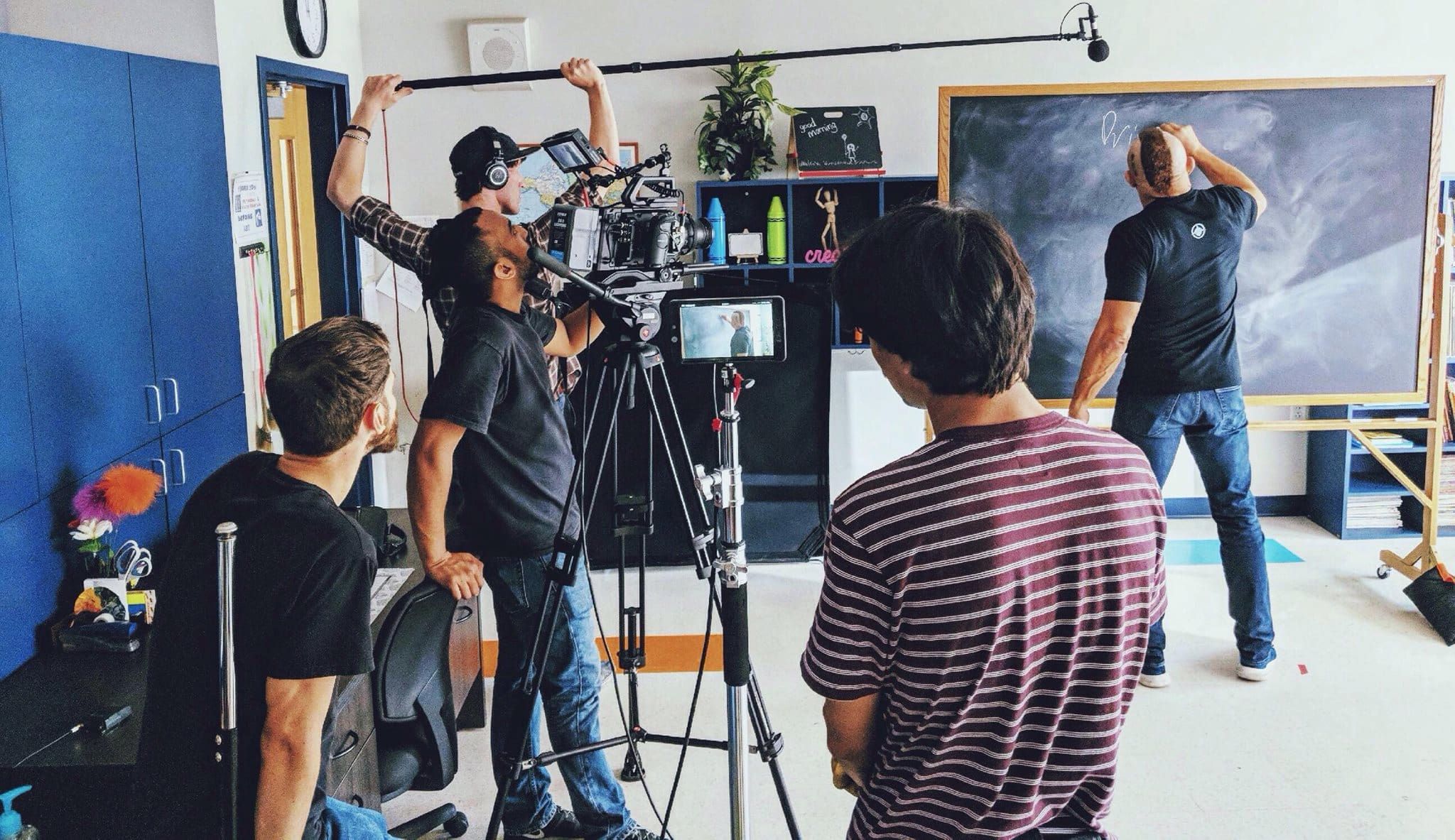
The Documentary Landscape in Australia
Australia punches well above its weight in the documentary world. Australian documentaries have won Academy Awards, screened at major international festivals, and been acquired by streaming platforms including Netflix, Stan, and SBS On Demand. Organisations like Screen Australia provide funding and development support for documentary projects, and the demand for factual content continues to grow as streaming platforms invest heavily in non-fiction programming.
For aspiring filmmakers, this ecosystem represents real opportunity. But documentary filmmaking requires a combination of technical skill, storytelling ability, and ethical awareness that cannot be developed through trial and error alone. A structured videography course compresses the learning curve dramatically, teaching you proven techniques and workflows that professional documentary filmmakers use every day.
Understanding Documentary Formats and Styles
Before you pick up a camera, you need to understand the different approaches to documentary filmmaking. A videography course introduces you to the major documentary modes and helps you identify which style best serves your story.
Observational documentaries — sometimes called cinéma vérité — capture events as they unfold without narration or direct filmmaker intervention. The camera acts as a fly on the wall, allowing the audience to draw their own conclusions. This style requires exceptional patience, an eye for meaningful moments, and the technical skill to shoot in unpredictable conditions.
Expository documentaries use narration or on-screen text to guide the viewer through an argument or explanation. Nature documentaries, historical documentaries, and most educational content fall into this category. The filmmaker has a clear point of view and structures the content to communicate it effectively.
Participatory documentaries feature the filmmaker as an active presence in the story. They might interview subjects on camera, share their own perspective, or document their personal journey of investigation. This style has become increasingly popular in the age of YouTube and independent media.
A videography course explores these formats through viewing, analysis, and practical exercises that help you develop your own documentary voice.
Pre-Production: Research and Development
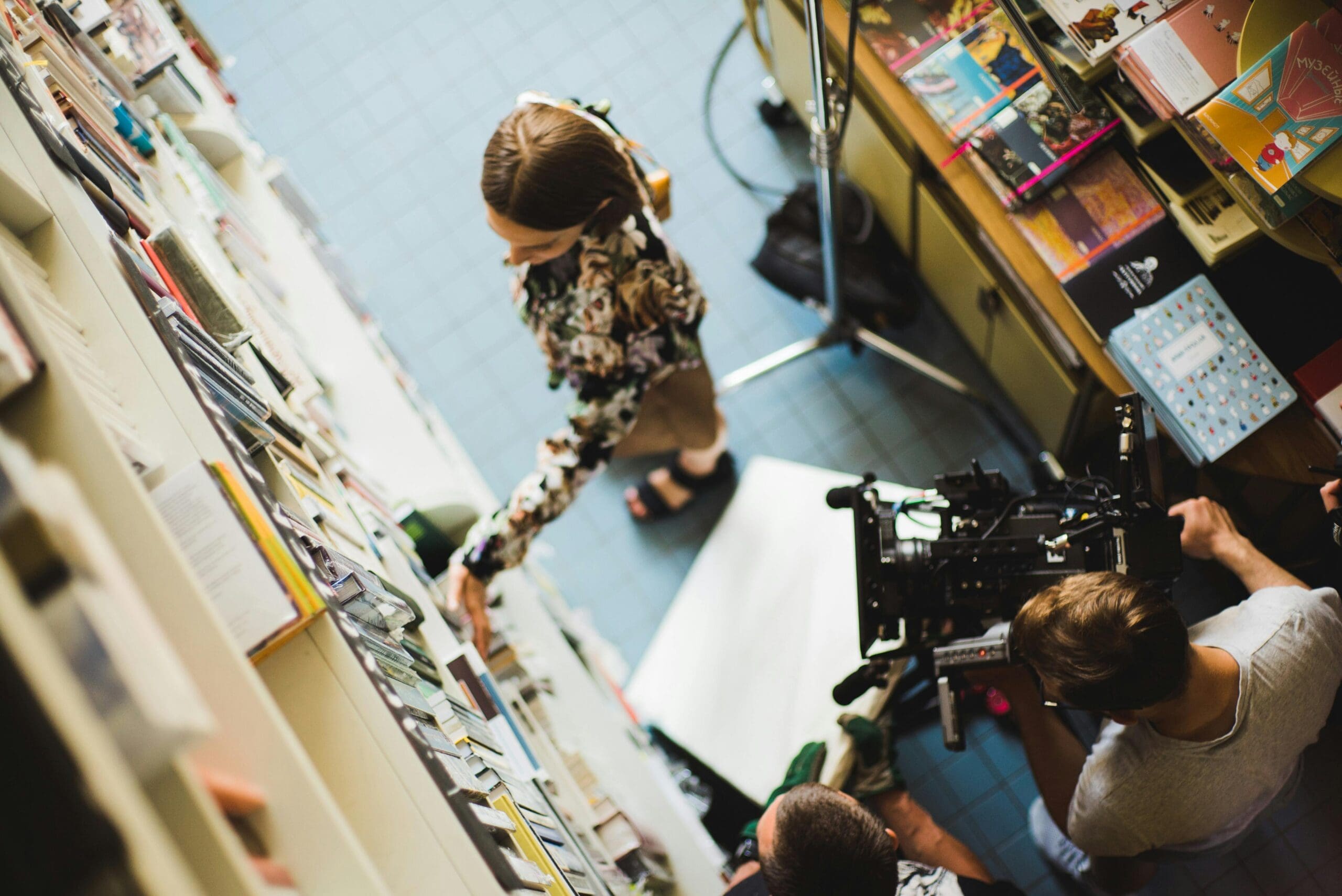
The success of any documentary is determined long before the camera rolls. Pre-production is the most important phase of the process, and a videography course teaches you how to approach it systematically.
Research is the foundation. You need to deeply understand your subject matter, identify the key characters and storylines, and determine the access you will need. For a documentary about a local conservation effort, for example, you would research the environmental issue, identify the key people involved — scientists, activists, community members, policymakers — and begin building relationships with potential subjects.
Development also involves defining your story’s structure and central question. Every strong documentary is driven by a question or tension that sustains viewer engagement. What will happen to this endangered species? How will this community respond to change? Will this person achieve their goal? Identifying this narrative engine early gives your filmmaking direction and purpose.
Treatment documents — written outlines that describe the documentary’s approach, style, key scenes, and intended structure — are essential for communicating your vision to collaborators, funding bodies, and potential distributors. A course teaches you how to write compelling treatments that demonstrate both your creative vision and your practical planning.
Filming Techniques for Documentary Work
Documentary cinematography demands a unique combination of technical proficiency and adaptive thinking. Unlike narrative filmmaking, where every shot is planned and controlled, documentary work often requires you to respond to unfolding events in real time. A videography course develops both your technical skills and your ability to think on your feet.
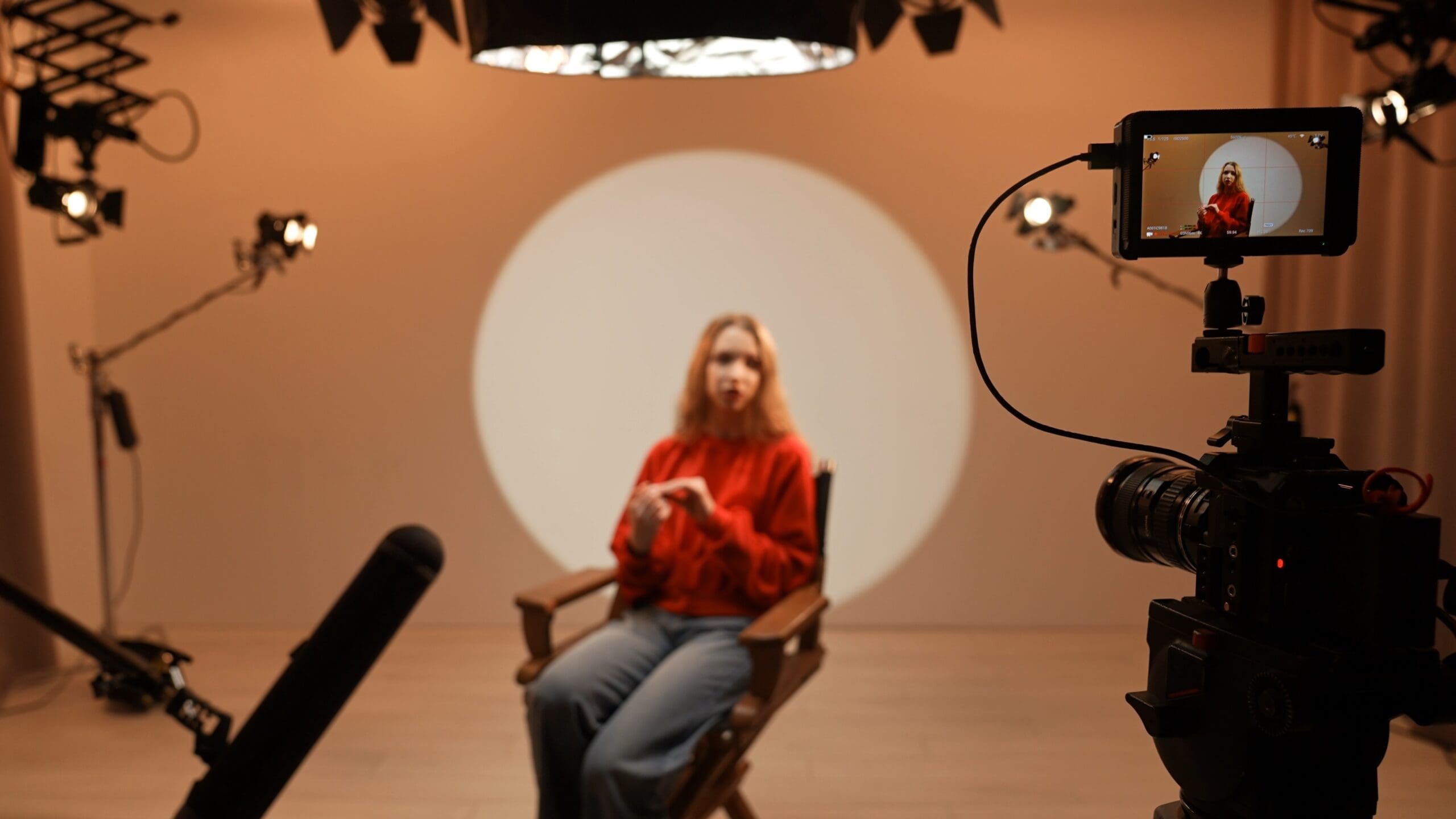
Interview filming is a cornerstone of documentary production. You will learn how to set up a visually compelling interview frame, light your subject naturally and flatteringly, and position your microphone for clean audio. Beyond the technical setup, you will learn interviewing techniques — how to ask open-ended questions, create a comfortable atmosphere for vulnerable conversations, and listen actively for follow-up opportunities.
B-roll filming for documentaries requires a storytelling eye. Every shot should serve a purpose — establishing location, illustrating a concept, revealing character, or creating emotional atmosphere. A videography course trains you to think about b-roll in narrative terms rather than simply collecting pretty footage. Sequences — a series of shots that show an action or process from beginning to end — are particularly valuable in documentary editing because they give the editor flexibility and create visual flow.
Shooting in challenging conditions is part of documentary reality. You may find yourself filming in low light, harsh sun, rain, wind, or confined spaces. A course prepares you for these scenarios with practical techniques for managing exposure, stabilising your camera, and protecting your equipment.
Sound Recording for Documentaries
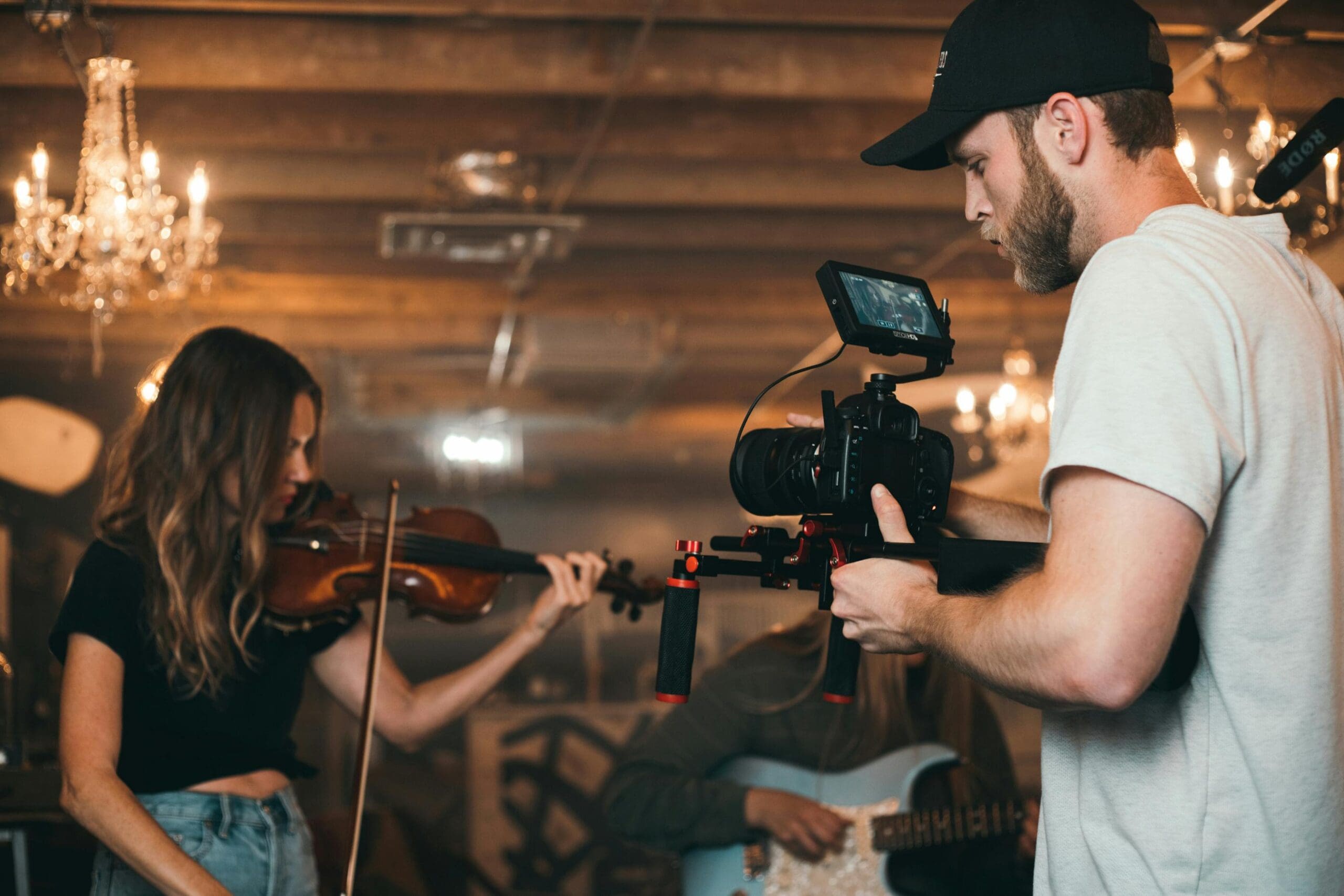
Sound is arguably more important in documentary filmmaking than in any other video genre. Dialogue, ambient sound, natural soundscapes, and music all contribute to the immersive quality that makes great documentaries feel real and emotionally present.
A videography course teaches you how to record broadcast-quality audio in the field using lavalier microphones, shotgun microphones, and portable recorders. You will learn how to manage background noise, record room tone for seamless editing, and capture atmospheric sound that brings locations to life.
For interviews, audio quality is paramount. Viewers will accept imperfect video if the story is compelling, but poor audio immediately breaks the connection. Professional documentary filmmakers always record redundant audio — multiple microphone sources and backup recordings — to ensure they never lose critical dialogue. The Rode Microphones learning centre provides useful technical resources on field audio recording that complement the hands-on training in a course.
Post-Production and Story Editing
Documentary editing is where the story truly comes together, and it is often the most creatively challenging phase. Unlike narrative filmmaking where you edit to a script, documentary editing involves discovering the story structure within hours of raw footage. This process requires patience, narrative instinct, and strong technical skills.
A videography course teaches you the workflow of documentary post-production. You will learn how to organise and log large volumes of footage efficiently, create assembly edits that lay out all your material in rough order, and then refine through multiple rounds of cuts until the narrative is clear, paced correctly, and emotionally engaging.
The relationship between interview dialogue and b-roll is the fundamental building block of documentary editing. Interview soundbites carry the narrative forward while b-roll provides visual context, evidence, and breathing room. Learning to weave these elements together seamlessly is a craft that develops through guided practice and expert feedback — exactly what a structured course provides.
Music and sound design in post-production add emotional depth and pacing to your documentary. You will learn how to source and license music appropriately, use sound effects to enhance realism, and mix your audio to professional broadcast standards. For royalty-free music sources, Artlist is widely used by Australian filmmakers.
Ethical Considerations in Documentary Filmmaking
Documentary filmmaking involves real people and real consequences, which means ethical considerations are inseparable from creative decisions. A videography course addresses these issues directly.
Informed consent is fundamental. Your subjects must understand how their participation will be used and have the right to withdraw. This is both an ethical obligation and, in Australia, a legal requirement under privacy legislation. Release forms should be signed before filming begins, and the scope of consent should be clearly explained.
Representation and fairness are equally important. Documentaries have the power to shape public perception of individuals, communities, and issues. You have a responsibility to represent your subjects honestly and to avoid manipulation through selective editing or misleading juxtaposition. A course teaches you how to navigate these ethical grey areas and make decisions that honour both your artistic vision and your duty of care to your subjects.
Distributing Your Documentary
Once your documentary is complete, distribution determines whether it reaches its audience. A videography course introduces you to the various distribution pathways available to Australian filmmakers.
Film festivals are the traditional launching pad for documentaries. Australian festivals like the Melbourne International Film Festival, Sydney Film Festival, and Revelation Perth International Film Festival all programme documentary content. International festivals like Sundance, IDFA, and Hot Docs offer global exposure. The submission process requires strategy — understanding which festivals align with your film’s subject and style, timing your submissions correctly, and preparing strong marketing materials.
Online distribution through platforms like YouTube, Vimeo On Demand, and your own website allows you to reach audiences directly. For niche or community-focused documentaries, targeted online distribution can be more effective than traditional channels.
Broadcast and streaming platforms represent the highest-profile distribution option. SBS, ABC, and Stan all acquire Australian documentary content, and Screen Australia’s funding programs often include distribution support. Understanding how to approach these platforms is part of the broader career knowledge that complements technical training from a professional photography course or videography program.
Begin Your Documentary Journey
Documentary filmmaking is one of the most rewarding creative pursuits available to visual storytellers. It combines technical skill, intellectual curiosity, and human empathy into a craft that has the power to change how people see the world. If you are ready to start telling stories that matter, explore the Certificate in Videography at Australian Photography School. Our flexible online program covers camera operation, audio recording, editing, and storytelling — everything you need to produce your first documentary with confidence. Enrol today, and let your stories be heard.