

The gap between amateur and professional photography is not defined by camera equipment. It is not determined by the number of Instagram followers you have or the price of your lens. The gap is a combination of technical consistency, creative vision, business competence, and professional conduct that clients can rely on. Crossing that gap requires intentional development across all four areas, and a professional photography course provides the structured pathway to get there.

Technical Consistency Under Pressure
An amateur photographer can produce excellent images in ideal conditions — perfect light, cooperative subjects, plenty of time. A professional produces excellent images in every condition — dim reception venues, uncooperative weather, tight timelines, and demanding clients. This consistency under pressure is the single most important technical distinction.
Professional-level consistency comes from deep understanding of exposure, light, and composition combined with extensive practice. When a professional walks into a challenging lighting situation, they do not need to experiment — they know immediately which settings to use, where to position their subject, and how to modify the light. This intuitive decision-making is built through thousands of hours of deliberate practice guided by expert feedback.
A professional photography course accelerates this process by providing structured challenges that push you beyond comfortable shooting conditions. Assignments that simulate low-light events, mixed lighting scenarios, fast-moving subjects, and strict time constraints build the adaptive skills that define professional capability.
Creative Vision and Personal Style
Amateurs tend to imitate — they see a style they admire and attempt to replicate it. Professionals develop their own voice. A distinctive creative style is what makes your work recognisable and what makes clients choose you specifically rather than any other photographer.
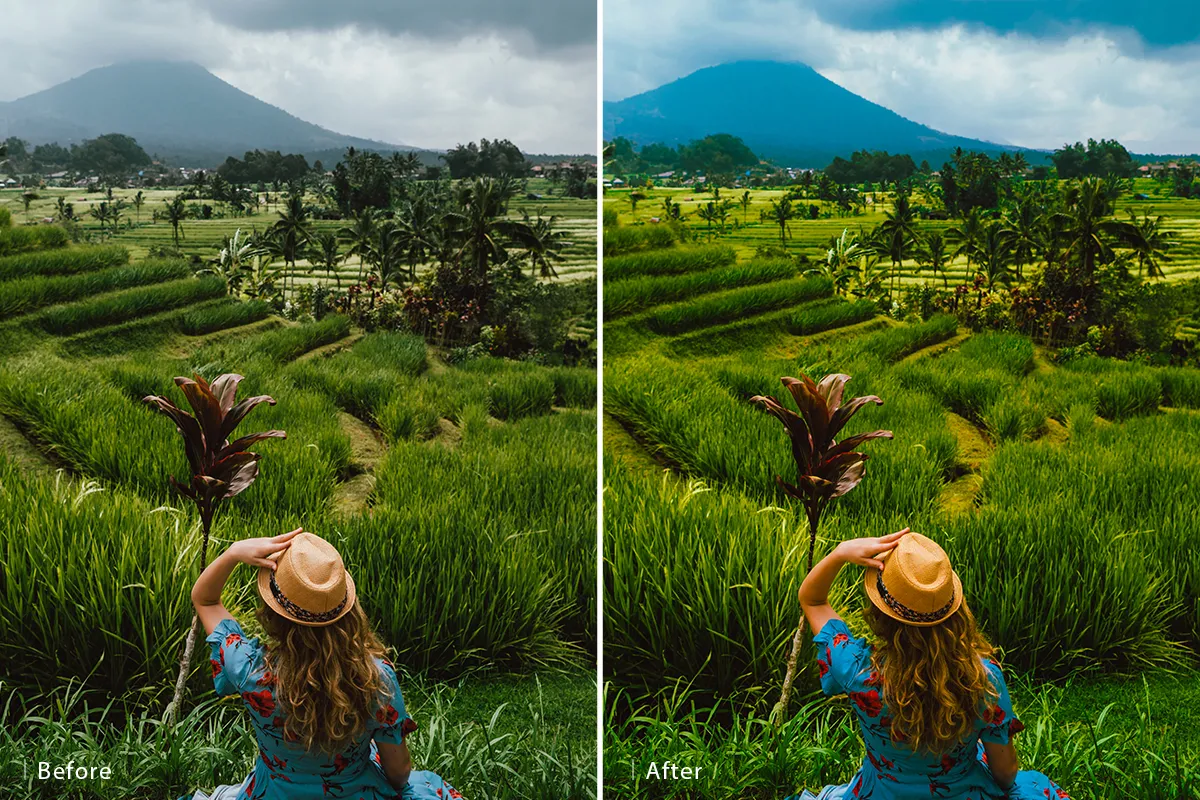
Your style encompasses your approach to light (do you favour warm, golden tones or cool, dramatic contrast?), your compositional tendencies (minimal negative space or layered complexity?), your editing aesthetic (film-inspired warmth or clean, modern clarity?), and your subject interaction (candid observation or directed intimacy?).
Developing a personal style takes time and experimentation. A professional photography course provides the foundational skills and then encourages creative exploration through diverse assignments. You study the work of master photographers, analyse what makes their images distinctive, and then apply those principles through your own creative lens. Over time, your preferences and instincts coalesce into a style that is uniquely yours.
The Magnum Photos agency website showcases some of the world’s most distinctive photographic voices and is an invaluable resource for studying creative vision in professional photography.
The Business of Professional Photography
Many talented photographers never achieve professional success because they treat their business as an afterthought. Technical and creative skills get you hired once; business skills get you hired consistently and profitably.
A professional photography course includes comprehensive business training. You learn how to register and structure your business, obtain appropriate insurance, create contracts that protect both you and your clients, set prices that are profitable and competitive, manage your finances, and market your services effectively.
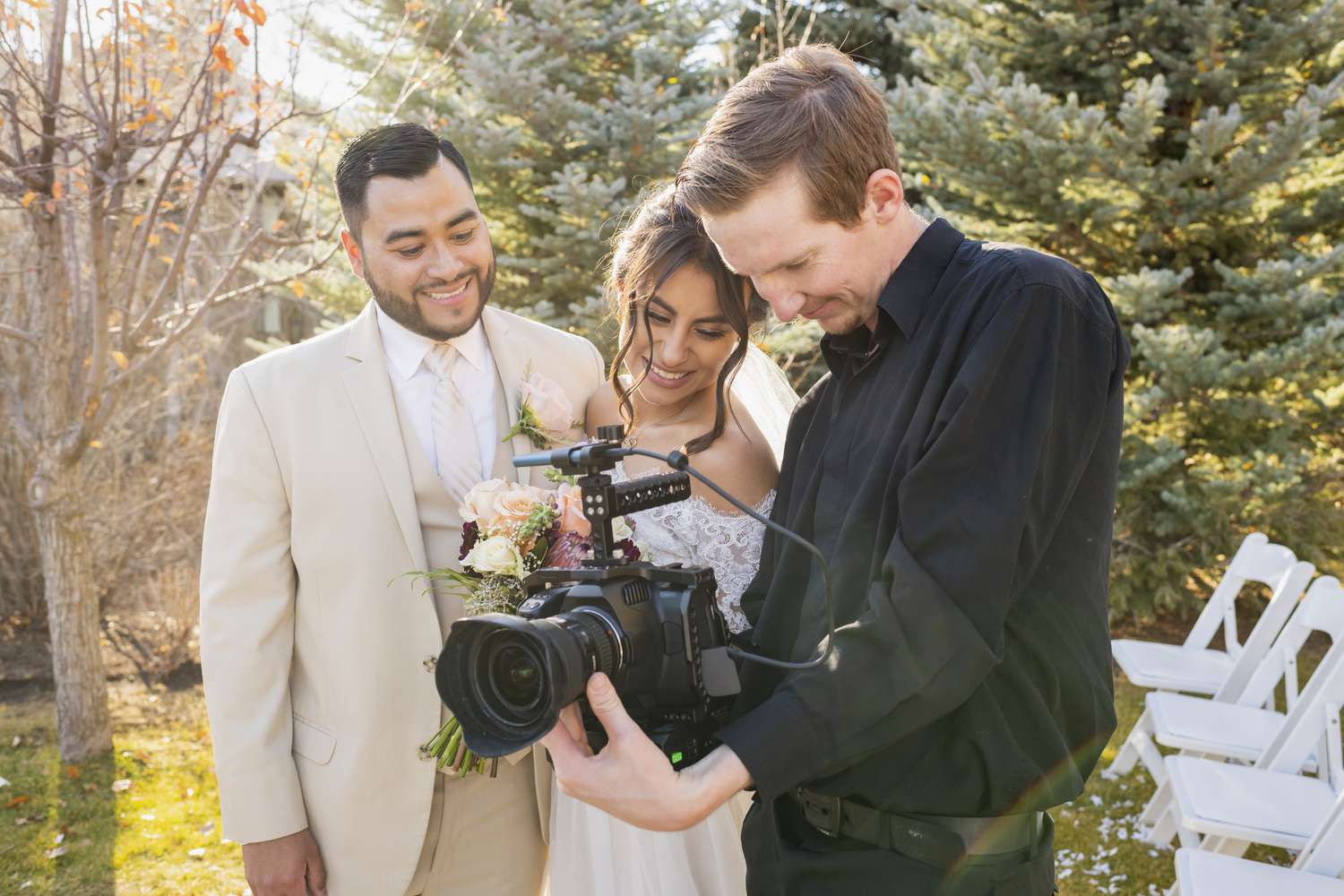
Client management is a business skill that is frequently overlooked. Professionals respond to inquiries promptly, communicate clearly throughout the booking process, set and manage expectations, deliver on schedule, and follow up after delivery. This level of professionalism generates referrals and repeat business — the foundation of a sustainable photography career.
Understanding the difference between cost-based and value-based pricing, knowing when and how to raise your rates, and building package structures that increase average transaction value are all business competencies that a photography business course develops alongside your photographic education.
Professional Conduct and Reliability
Reliability is an underappreciated professional skill. Showing up on time, every time. Delivering images by the agreed deadline, every time. Being prepared with backup equipment. Dressing appropriately for the shooting environment. Handling difficult situations — an unhappy client, a technical failure, an uncooperative venue — with calm professionalism.
These behaviours seem basic, but they are shockingly rare in the photography industry. Many talented photographers are unreliable, disorganised, or difficult to communicate with. Simply being consistently dependable puts you ahead of a significant portion of your competition.
A professional photography course instils these professional habits through structured deadlines, communication requirements, and real-world project simulations. You develop the discipline and organisational skills that sustain a career long after the initial excitement of starting a photography business fades.

Portfolio Curation and Presentation
An amateur shows everything. A professional curates ruthlessly. Your portfolio should contain only your absolute strongest work — images that represent the standard of quality a client can expect when they hire you. A portfolio of 20 exceptional images is vastly more effective than a portfolio of 200 mixed-quality images.
Curation requires objectivity, which is one of the hardest skills for any creative professional to develop. You are emotionally attached to images that required significant effort or that hold personal meaning, but those factors are irrelevant to a potential client evaluating your work. A professional photography course teaches you to evaluate your own work objectively — through peer critique, tutor feedback, and structured portfolio reviews — and to make curation decisions based on impact rather than sentiment.
Your portfolio presentation matters as well. A clean, fast-loading website with large images, minimal text, and clear navigation is the professional standard. Squarespace and Format are popular portfolio platforms among Australian photographers because they offer beautiful templates designed specifically for visual creatives.
Continuing Education and Growth
The photography industry evolves constantly — new technology, changing client expectations, shifting aesthetic trends, and emerging platforms all require ongoing learning. A professional photographer never stops developing.
Attending workshops, studying new techniques, experimenting with unfamiliar genres, and seeking honest feedback are habits that sustain creative growth throughout a career. Professional associations like the Australian Institute of Professional Photography (AIPP) offer accreditation programs, competitions, and professional development events that keep you connected to the broader professional community.
A professional photography course provides the initial education, but the mindset of continuous improvement is what sustains a career over decades.
Become the Professional You Want to Be
The transition from amateur to professional is not a single leap — it is a deliberate, guided progression. If you are ready to develop the technical mastery, creative vision, business skills, and professional habits that define a true professional, explore the Professional Photography Course at Australian Photography School. With comprehensive training, a professional camera included, and expert tutors who have walked the same path, you will have everything you need to build a photography career you are proud of. Enrol today and take the step from passionate amateur to confident professional.