
Cinematography is the art of visual storytelling through moving images. It is what makes a film feel tense, a commercial feel luxurious, or a documentary feel intimate. If you have ever watched something and thought “that looks incredible,” you were responding to cinematography.
A cinematography course for beginners teaches you how to control the camera, light, and composition to create deliberate visual narratives. Whether you want to shoot short films, music videos, branded content, or YouTube productions, understanding cinematography separates amateur footage from professional work.
Cinematography vs Videography
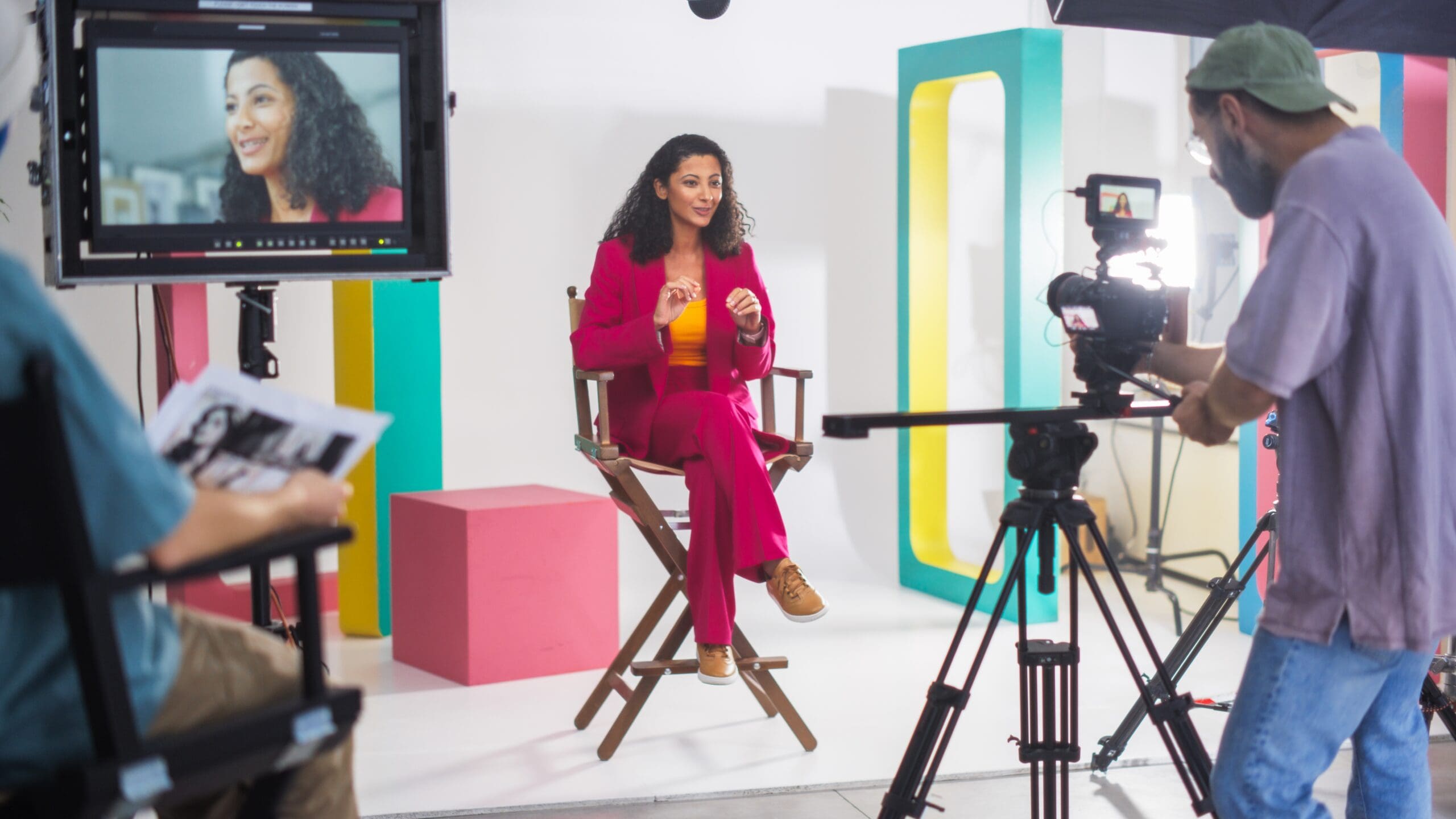
Videography is the practical skill of recording video — operating a camera, capturing audio, editing footage. Cinematography is the creative layer on top — the intentional use of light, camera movement, lens choice, and framing to tell a story visually. A videographer documents. A cinematographer interprets.
Both skills overlap significantly. Our Certificate in Videography covers the practical foundations that cinematography builds upon. The American Society of Cinematographers provides insight into the craft at the highest professional level.
Camera Movement and Emotional Impact
Every camera movement communicates something. A static shot feels calm and observational. A slow dolly-in builds tension or intimacy. A handheld shot creates energy and documentary realism. A tracking shot following a subject creates engagement and momentum.
Beginners move the camera without purpose. A cinematography course for beginners teaches deliberate movement matching the emotional intent of every scene. Our videography for beginners guide explains how these principles integrate into practical video production.
Shot Types and Framing
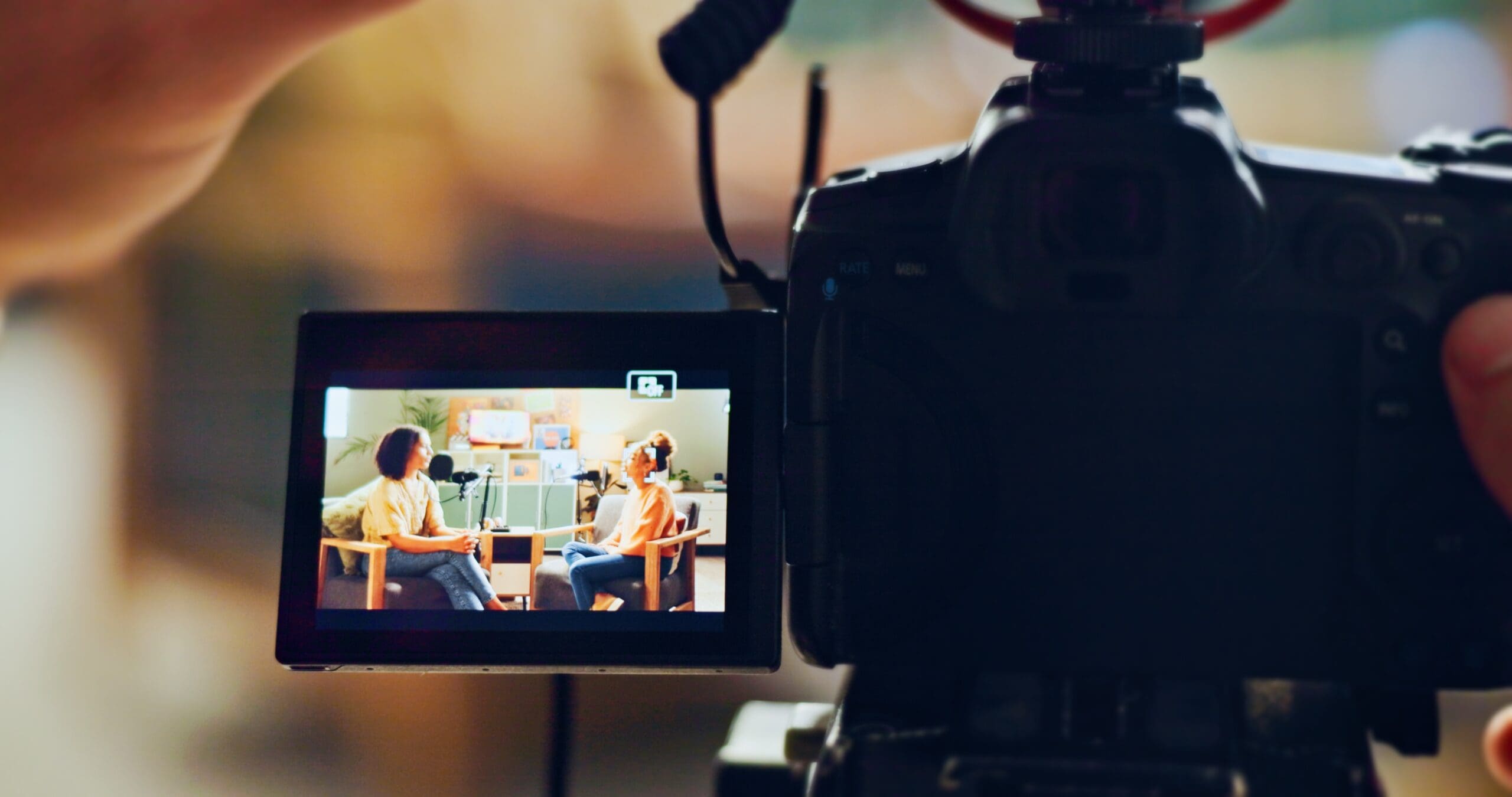
Wide shots establish location. Medium shots show body language. Close-ups reveal emotion. Extreme close-ups create intensity. You will learn standard shot types — wide, medium, close-up, over-the-shoulder, point-of-view — and understand when each serves the story.
Lens Choice and Perspective
A wide-angle lens (16–35mm) exaggerates depth and creates space or distortion. A standard lens (35–50mm) approximates human vision. A telephoto lens (85–200mm) compresses depth, isolates subjects, and creates intimacy. Choosing a lens is a creative decision as much as a practical one.
Lighting for Motion
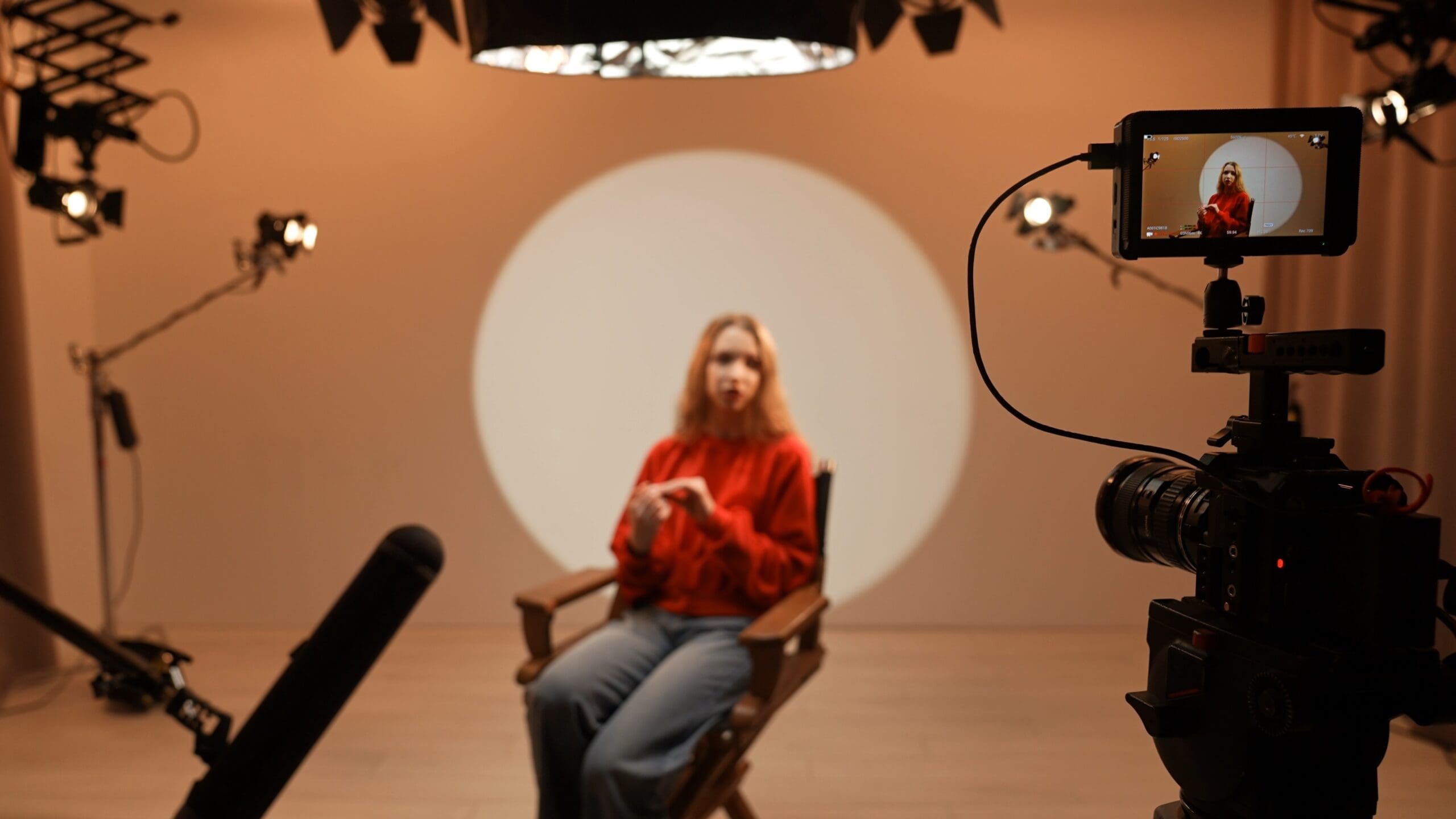
Lighting for video follows photography principles but adds the dimension of time. You will learn three-point lighting, working with practicals, and shaping light with diffusion and flags. MasterClass features cinematography lessons from award-winning professionals for further study.
Colour and Mood
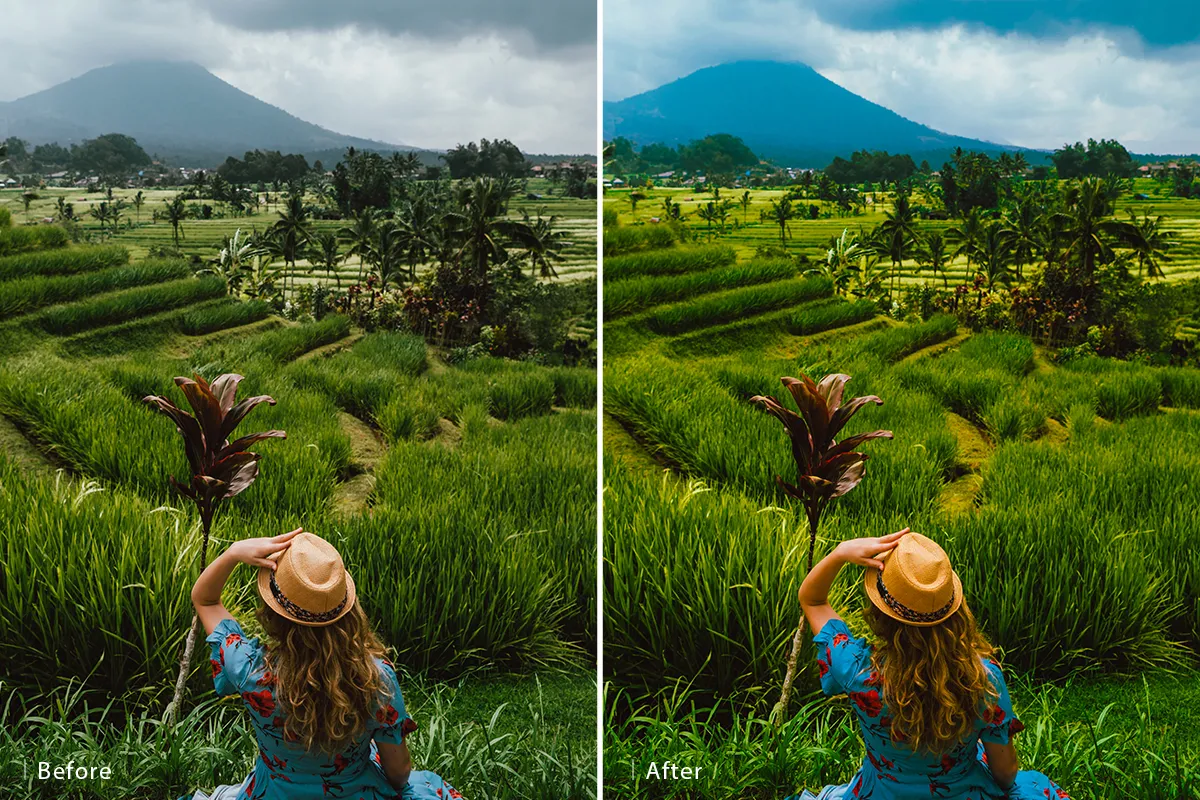
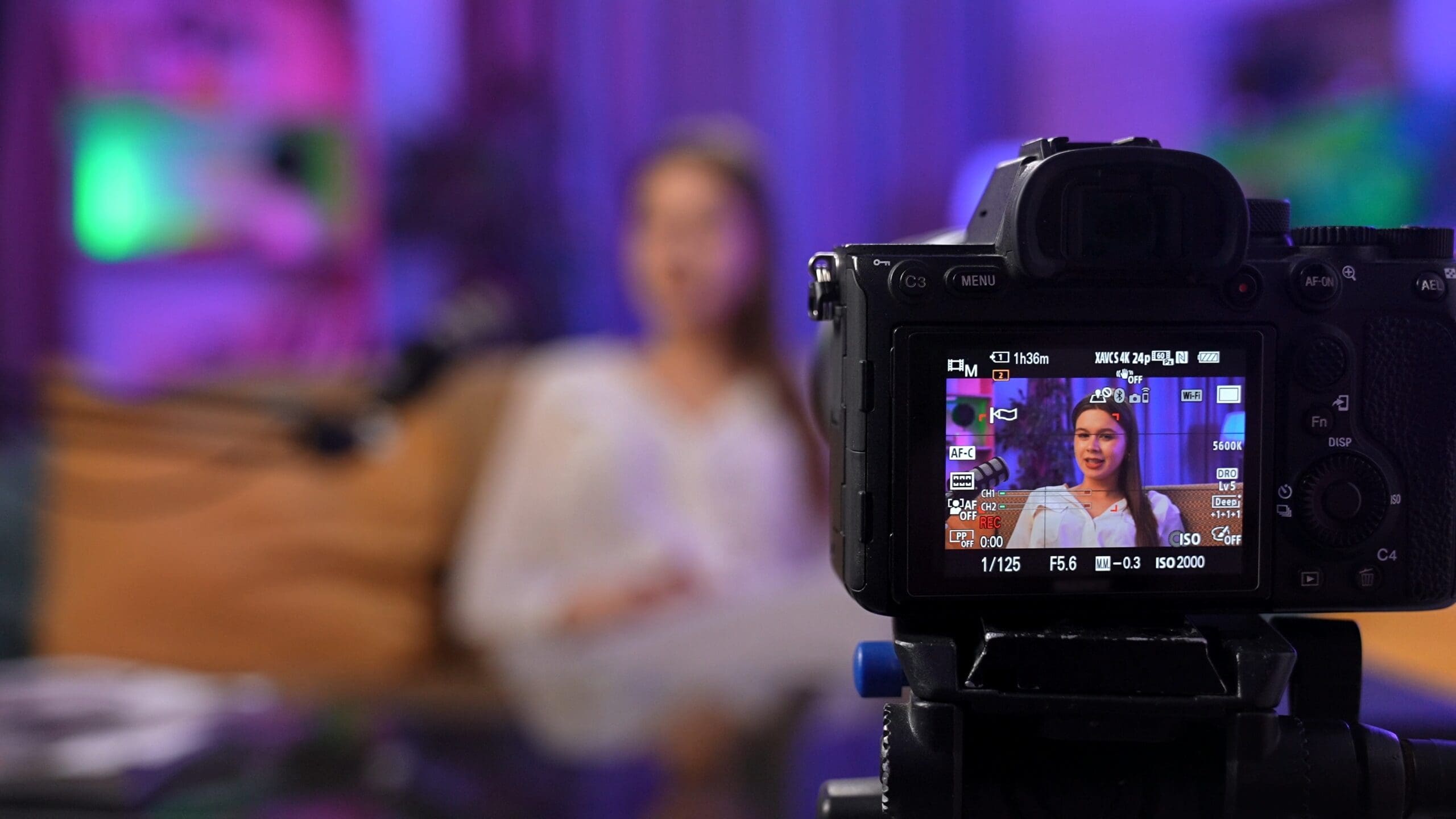
Colour in cinematography is never accidental. Warm orange suggests comfort. Cool blue communicates isolation. You will learn how colour temperature, white balance, and colour grading create cohesive visual tone. DaVinci Resolve from Blackmagic Design — free and industry-standard — gives you the same grading tools used on major productions.
Equipment for Beginners
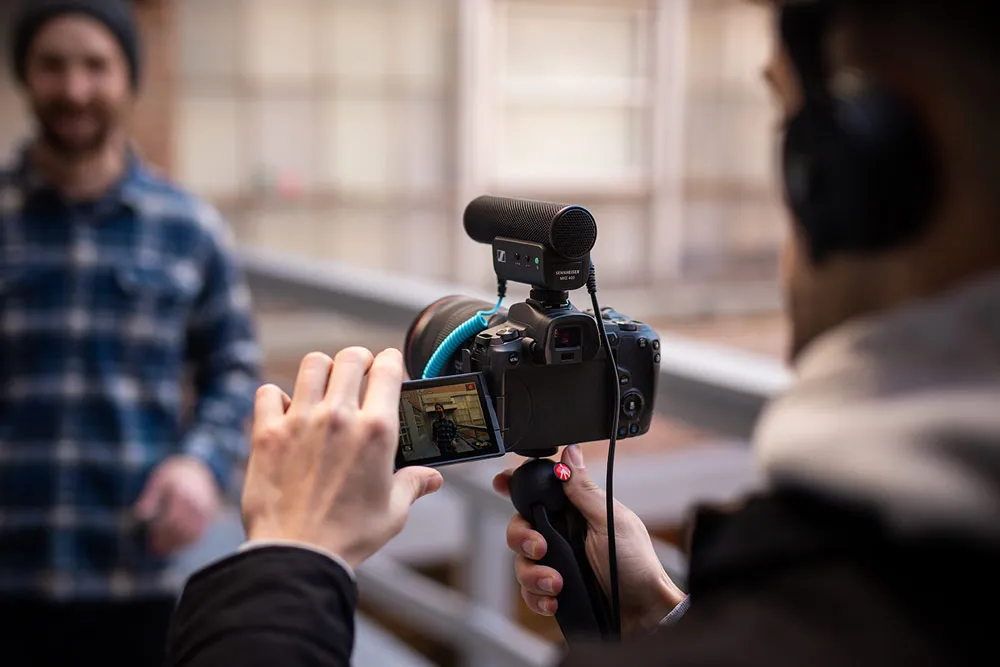
A smartphone with a stabiliser and understanding of light will outperform expensive gear in untrained hands. Entry-level mirrorless cameras ($1,000–$2,000 AUD) are excellent starting points. Our Certificate in Videography includes a professional Canon camera from day one.
Career Paths in Australia
Australia has a thriving film industry supported by Screen Australia and state screen agencies. Commercial content is in constant demand. Music videos offer creative freedom. Documentary filmmaking is a strong Australian tradition. Content creation on YouTube and social media with cinematic quality stands out dramatically — our content creator course guide covers the business side.
Start Your Cinematography Education
Explore our Certificate in Videography or browse our full range of courses to find the creative path that fits your ambitions.