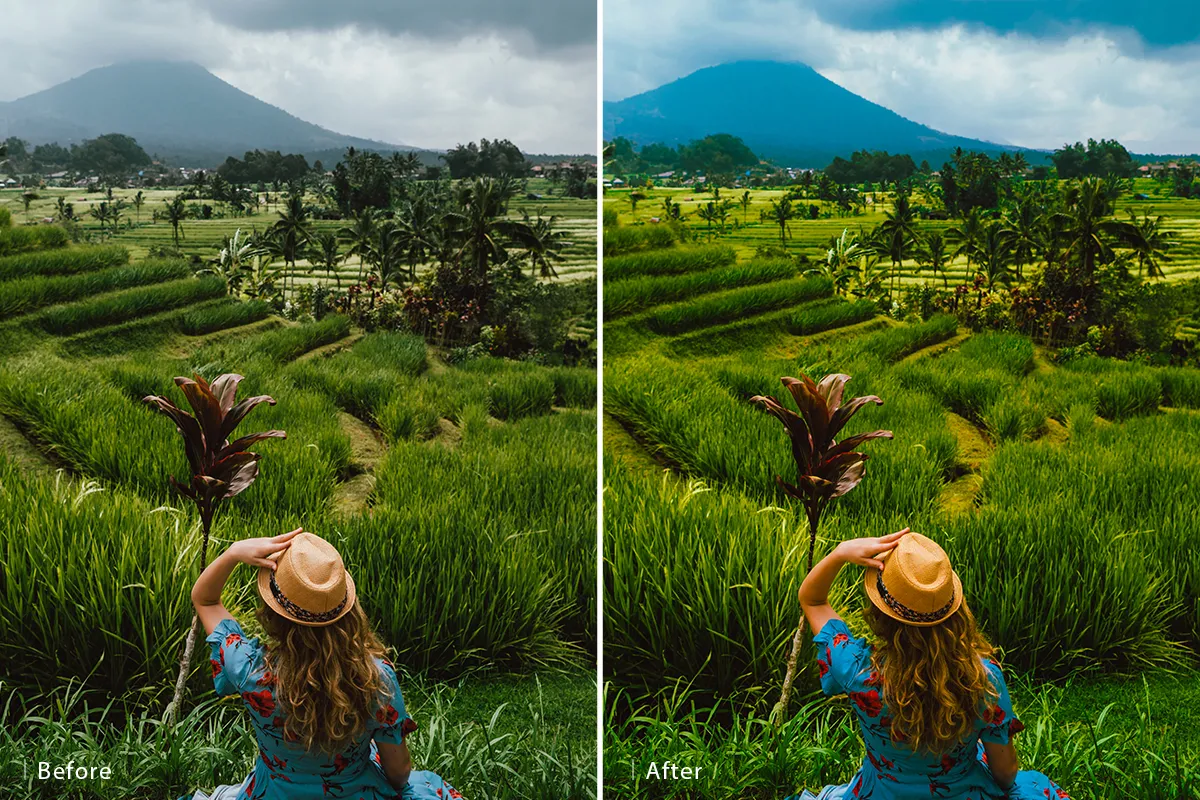

You can have perfect exposure, razor-sharp focus, and beautiful light, but if your composition is weak, the image will not hold a viewer’s attention. Composition — the arrangement of visual elements within your frame — is what transforms a technically correct photograph into a compelling one. It is one of the most important skills covered in a photography course for beginners, and it is the area where new photographers often see the most dramatic improvement in their work.

What Is Composition and Why Does It Matter?
Composition is how you decide what to include in your frame, where to place your subject, and how to guide the viewer’s eye through the image. It is the visual grammar of photography. Just as a well-structured sentence communicates more effectively than a jumble of words, a well-composed photograph communicates more powerfully than a randomly framed snapshot.
Strong composition achieves three things. It draws the viewer’s eye to the most important element of the image. It creates a sense of balance, tension, or movement that holds attention. And it eliminates distracting elements that compete with your subject. A photography course for beginners teaches these principles systematically, starting with foundational rules and progressing toward more intuitive, creative approaches.
The Rule of Thirds
The rule of thirds is the most widely taught composition principle and the starting point for nearly every photography course for beginners. Imagine dividing your frame into nine equal sections with two horizontal and two vertical lines. The four points where those lines intersect are natural positions for your main subject or the most important element of the scene.
Placing your subject at one of these intersection points rather than dead centre creates a more dynamic and visually pleasing image. A portrait with the subject’s eyes positioned along the upper third line feels natural and engaging. A landscape with the horizon along the lower third — giving two-thirds of the frame to a dramatic sky — creates a sense of openness and grandeur.
Most cameras can display a rule-of-thirds grid overlay on the screen or viewfinder, and using this tool while you compose your shots is an excellent habit to develop early. Over time, the placement becomes instinctive, and you will begin to compose naturally without consciously thinking about the grid. For an interactive visual guide to the rule of thirds and other compositional principles, National Geographic’s photography fundamentals page features exemplary images to study.
Leading Lines
Leading lines are visual elements within the scene that naturally guide the viewer’s eye toward your subject or through the frame. Roads, fences, rivers, bridges, pathways, architectural elements, shadows, and even cracks in the ground can serve as leading lines.
The most effective leading lines start near the edge or corner of the frame and converge toward your subject, creating a sense of depth and drawing the viewer into the image. A path winding through a forest toward a distant figure, a pier extending toward the ocean horizon, or the converging lines of a city street pointing to a landmark — these compositions create visual narrative and movement.
A photography course for beginners trains you to identify leading lines in your environment before you raise the camera. This pre-visualisation skill is what allows you to compose with intention rather than relying on luck. You will learn to move your feet, change your angle, and adjust your perspective to align leading lines with your subject.

Framing and Negative Space
Framing involves using elements within the scene to create a border around your subject, drawing the viewer’s eye inward. Doorways, archways, windows, tree branches, and even the hands of a portrait subject can serve as natural frames. This technique adds depth to your composition and creates a sense of context — the viewer is looking through something to see the subject, which creates visual layers.
Negative space is the opposite approach — deliberately leaving large areas of the frame empty to emphasise your subject through isolation. A lone tree against a vast sky, a surfer on a wide ocean, or a single figure in an empty room. Negative space creates a mood of solitude, simplicity, or scale, and it is a powerful compositional tool that beginners often underuse because it feels counterintuitive to leave so much of the frame empty.
Both framing and negative space are techniques that a photography course for beginners explores through hands-on assignments. You might be asked to photograph the same subject using three different framing techniques and then discuss with your tutor which approach creates the strongest visual impact.
Symmetry and Patterns
Humans are naturally drawn to symmetry and repeating patterns. Architectural photography relies heavily on symmetry — the reflection of a building in still water, the converging lines of a perfectly centred corridor, or the balanced façade of a heritage building. When used deliberately, symmetry creates images that feel ordered, harmonious, and visually satisfying.
Patterns work similarly. A row of coloured beach huts, the repetitive arches of a bridge, or the uniform rows of grapevines in a vineyard all create visual rhythm. The most compelling pattern-based compositions often include a pattern break — a single element that disrupts the repetition and immediately captures the viewer’s attention. A red umbrella in a sea of black ones, for example.
A photography course for beginners teaches you to recognise symmetry and patterns in everyday environments and to compose shots that either celebrate the uniformity or deliberately break it. This observational skill is fundamental to developing your photographic eye.

Depth and Layering
Photographs are two-dimensional representations of three-dimensional scenes, and strong composition creates the illusion of depth. Layering — placing visual elements at different distances within the frame — is the primary technique for achieving this.
A landscape photograph with wildflowers in the foreground, a winding river in the middle ground, and mountains in the background has three distinct layers that create compelling depth. A street photograph with a figure in the foreground, market stalls in the middle, and a cathedral spire in the distance achieves the same effect.
Using a wide-angle lens at a small aperture (f/11 to f/16) keeps all three layers in sharp focus, maximising the sense of depth. Alternatively, using a wide aperture to blur the foreground and background while keeping the middle ground sharp creates selective depth that directs attention. These creative choices are interconnected with the technical settings you learn earlier in the course, and a photography course for beginners teaches you to think about composition and camera settings as a unified creative toolkit.
Perspective and Point of View
Changing your physical perspective — the position from which you take the photograph — dramatically alters the composition and the story your image tells. Most beginners shoot from standing eye level because it is the most natural and convenient position. But eye level is also the most ordinary perspective, and images shot from this height often feel flat and unremarkable.
Getting low — crouching, kneeling, or lying on the ground — creates a dramatic, powerful perspective that makes subjects appear larger and more imposing. This is particularly effective for photographing children, animals, architecture, and flowers. Getting high — shooting from an elevated position looking down — provides context, reveals patterns, and creates a detached, observational feeling.
Experimenting with perspective is one of the most immediately impactful things a beginner can do to improve their photography. A course assignment might ask you to photograph the same subject from five different heights and angles, and the results are often revelatory — the same scene can look completely different depending on where you place the camera. Digital Photography School publishes excellent articles on creative perspective techniques that complement course learning.

Breaking the Rules Intentionally
Every composition rule discussed in this guide has exceptions, and part of maturing as a photographer is learning when to break the rules for creative effect. A centred subject in a perfectly symmetrical frame can be more powerful than an off-centre placement. A cluttered frame can convey chaos and energy more effectively than a minimal composition. Dead space above a subject can create a feeling of insignificance or loneliness.
The key word is intentionally. Breaking a rule because you did not know it existed produces a messy image. Breaking a rule because you understand it and chose a different approach for a specific creative reason produces an image that is distinctive and purposeful. A photography course for beginners builds this foundation — learn the rules first, internalise them through practice, and then develop the confidence to deviate when the image demands it.
Develop Your Compositional Eye
Composition is not a talent you are born with — it is a skill you develop through study, practice, and feedback. Every great photographer started by learning the same foundational rules and progressively developing their own visual instincts. If you are ready to transform the way you see and photograph the world, explore the Photography Course for Beginners at Australian Photography School. With structured lessons on composition, camera settings, lighting, and editing, plus personalised feedback from experienced tutors, you will develop a photographic eye that captures compelling images in any situation. A professional camera is included with your enrolment, and flexible payment plans start from just $35 per week. Get in touch today and start seeing the world like a photographer.