

Commercial photography is where creative skill meets serious earning potential. Every advertisement, product listing, magazine editorial, corporate report, and brand campaign requires professional imagery, and the businesses behind them pay well for quality work. In Australia, commercial photographers earn day rates ranging from $1,500 to $5,000 or more, with established specialists commanding significantly higher fees for campaigns and advertising projects. A professional photography course gives you the technical expertise and industry knowledge to enter this competitive but rewarding field.
What Is Commercial Photography?
Commercial photography is any photography created for business or promotional use. It is distinct from personal, editorial, or fine-art photography in that the images serve a defined commercial purpose — selling a product, promoting a brand, communicating a corporate message, or supporting a marketing campaign.
The major sub-genres of commercial photography include product photography (e-commerce, catalogue, and advertising imagery), food and beverage photography (restaurants, cookbooks, packaging), architectural and interior photography (real estate, hospitality, design firms), corporate photography (headshots, events, annual reports, internal communications), fashion and editorial photography (magazines, lookbooks, campaigns), and lifestyle photography (brand storytelling that features products in aspirational real-life contexts).
Each sub-genre has its own technical requirements, client expectations, and market dynamics. A professional photography course provides the foundational skills applicable across all sub-genres and then allows you to specialise based on your interests and market opportunities.
Technical Skills for Commercial Work
Commercial photography demands technical precision that exceeds what most other genres require. Clients are paying for images that will represent their brand to the world, and they expect flawless execution.
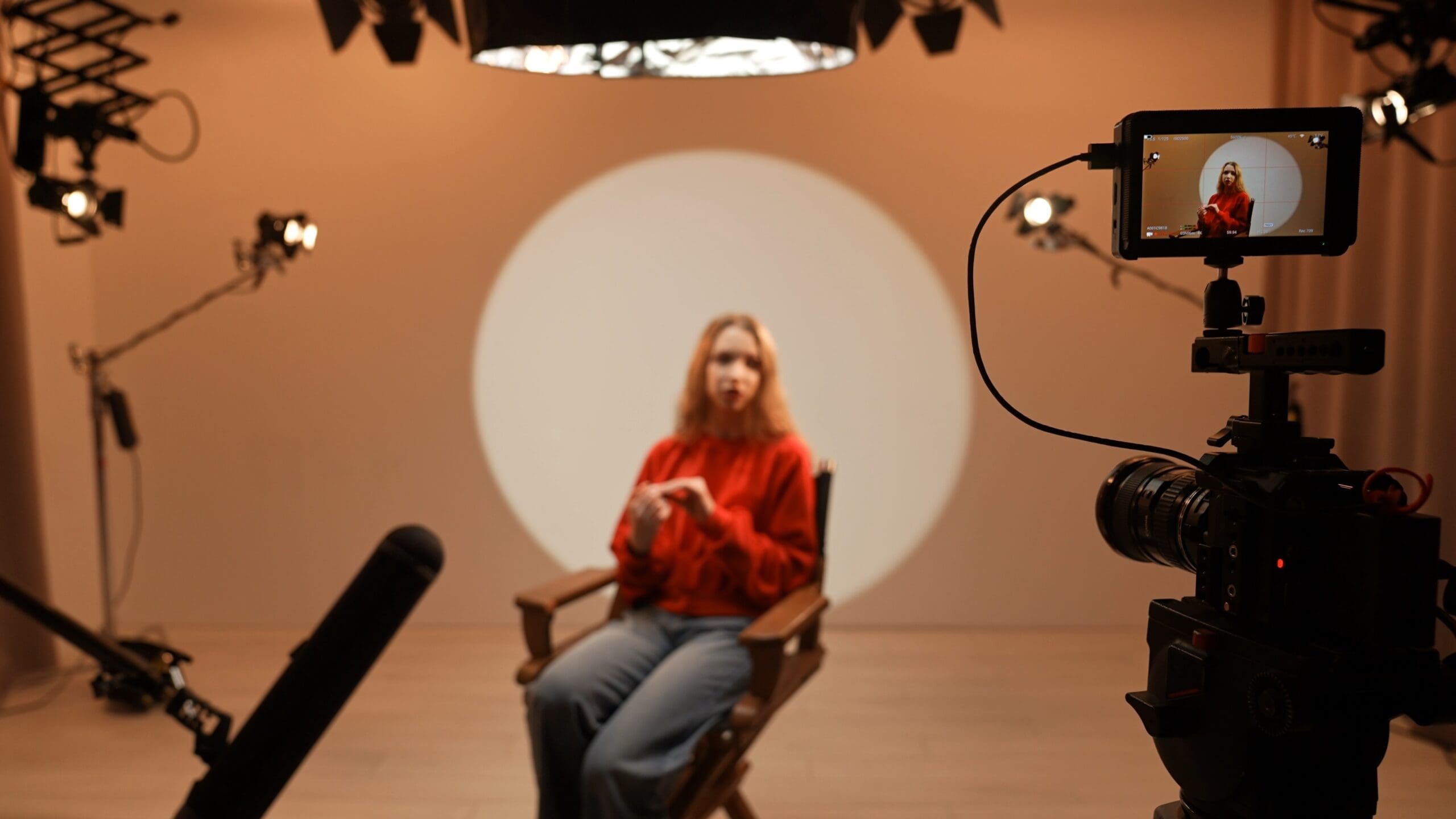
Lighting control is paramount. Commercial work frequently requires studio lighting — multiple strobes with specific modifiers, carefully positioned to create the exact quality, direction, and mood specified in the creative brief. Product photography, for example, often requires a combination of softboxes for even base illumination, strip lights for edge definition, and small snoots or reflectors for accent highlights. Each product category — glass, metal, fabric, food, electronics — presents unique lighting challenges that require specific techniques.
Colour accuracy is critical. Products must be represented in their true colours, and brand guidelines often specify exact colour standards that your images must match. Understanding colour management — from camera colour profiles through monitor calibration to output profiling — ensures your delivered images are colour-accurate across all devices and print processes. X-Rite’s colour management resources provide comprehensive guidance on professional colour workflow.
Sharpness and detail are non-negotiable. Commercial images are frequently used at large reproduction sizes — billboards, banner displays, double-page magazine spreads — where any softness or noise is immediately visible. Shooting on a tripod, using optimal apertures for your lens, and tethering to a laptop for immediate quality checks are standard commercial practices.
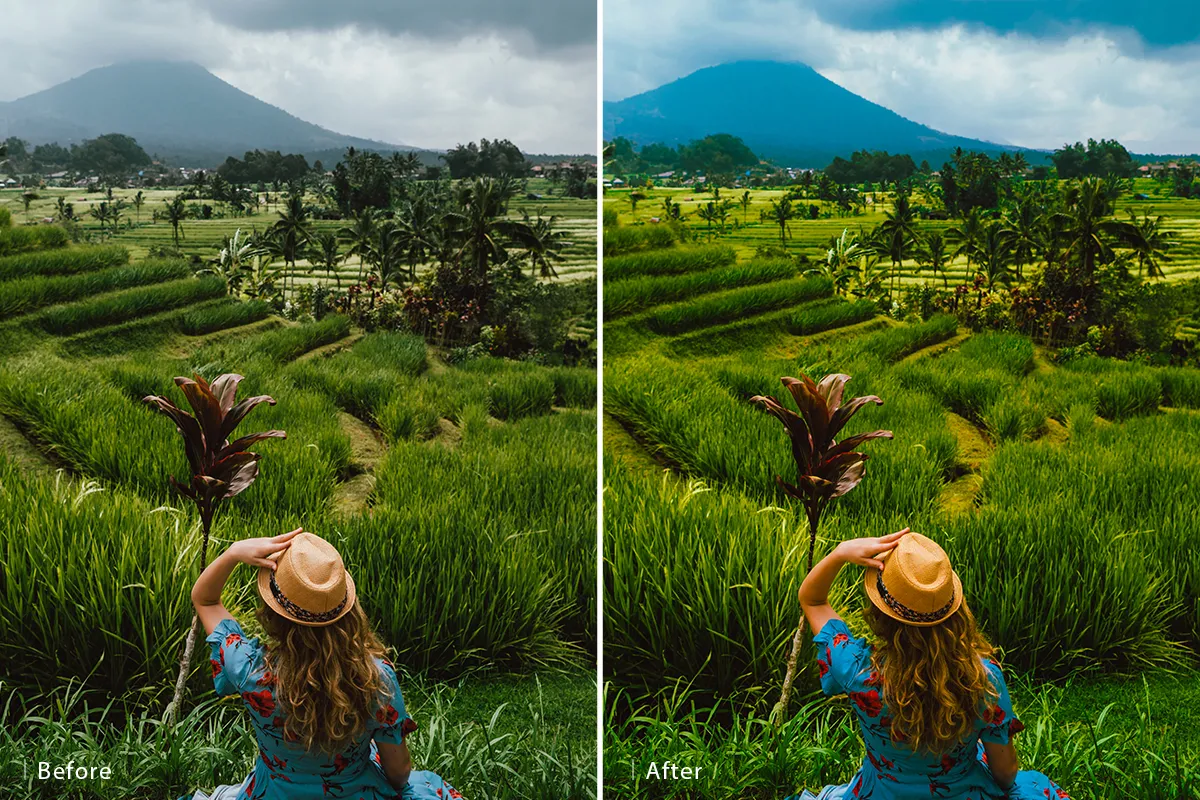
Post-production for commercial work often involves advanced compositing, retouching, and colour manipulation in Photoshop. Removing backgrounds, extending surfaces, combining multiple exposures, and matching images to brand colour palettes are common requirements. A professional photography course builds these technical skills progressively through increasingly complex assignments.
Understanding the Creative Brief
Commercial photography begins with a creative brief — a document prepared by the client or their agency that outlines the purpose of the images, the target audience, the visual style, the specific shots required, technical specifications, and the usage rights being licensed.
Reading and interpreting a creative brief is a skill that a professional photography course develops. You need to understand not just what the client is asking for, but why — what business objective the images serve, what emotional response they should evoke, and how they fit into the broader marketing strategy. This understanding allows you to make informed creative decisions during the shoot and deliver images that exceed expectations.
When a creative brief is ambiguous or incomplete, the professional photographer asks clarifying questions before the shoot rather than guessing on the day. Proactive communication demonstrates expertise and prevents costly reshoots.
Building a Commercial Portfolio
Breaking into commercial photography requires a portfolio that demonstrates your ability to deliver the specific type of work clients need. A general portfolio of landscapes, portraits, and travel images will not convince a product brand to hire you for a product shoot.
Build genre-specific portfolios through self-directed projects. If you want to shoot food photography, prepare and style dishes in your home and photograph them with professional lighting. If you want to shoot products, contact local businesses and offer to create sample images in exchange for portfolio use. If you want to shoot corporate, volunteer to photograph a professional event or create staged corporate headshot examples.
A professional photography course includes portfolio-building assignments that simulate commercial briefs. These structured projects give you both the images and the experience of working to a brief, meeting specifications, and delivering on deadline — exactly what commercial clients evaluate when reviewing potential photographers.
Finding Commercial Photography Clients
Commercial clients find photographers through different channels than consumer clients. Understanding these channels and positioning yourself effectively within them is essential.
Creative agencies and marketing firms are significant sources of commercial photography work. They hire photographers on behalf of their clients for campaigns, brand content, and advertising. Building relationships with art directors and creative directors at agencies in your city opens the door to regular commissioned work. Attend industry events, send targeted portfolio emails, and connect on LinkedIn with creative professionals in your area.
Direct outreach to businesses is effective for smaller commercial work. Local restaurants need food photography. E-commerce businesses need product images. Real estate agents need property photography. Professional service firms need headshots and office imagery. Identify businesses whose current visual content is weak and approach them with a specific proposal for improvement.
Online platforms like The Loop Australia connect creative professionals with commercial clients and are worth exploring as a supplementary client source.
Stock photography — licensing images through agencies like Getty Images, Shutterstock, or Adobe Stock — provides passive income from commercial-quality images. While per-image earnings are modest, a large library of high-quality stock images can generate meaningful cumulative revenue.
Licensing and Usage Rights
Commercial photography pricing is based not only on the cost of production but on how the images will be used. A photograph used on a single product page has a different value than the same photograph used in a national advertising campaign, and your pricing should reflect this.
A professional photography course teaches you the fundamentals of image licensing — granting specific usage rights for a defined scope (media channels, geographic territory, duration, and exclusivity) in exchange for a licensing fee. This is a departure from consumer photography, where clients typically receive personal use rights included in the session fee.
Understanding licensing allows you to price commercial work appropriately and protect the ongoing value of your images. An image licensed exclusively for a national campaign for 12 months should command a significantly higher fee than one licensed non-exclusively for web use. The Australian Copyright Council provides guidance on copyright and licensing that all commercial photographers should be familiar with.
Day Rate Versus Project Rate Pricing
Commercial photography in Australia is typically priced either as a day rate (for the shoot itself) plus post-production fees and licensing, or as a project rate that bundles everything into a single quote.
Day rates for commercial photographers in Australia generally start at $1,500 for emerging professionals and range to $5,000 or more for established specialists. Post-production is often charged at an hourly rate ($75 to $150 per hour) or as a per-image fee. Licensing fees are added on top based on the scope of usage.
Project rates are simpler for clients to understand and evaluate. You estimate the total cost of the shoot — including pre-production, the shoot day, post-production, and licensing — and present a single figure. This approach is common for smaller commercial projects and ongoing client relationships.
A photography business course teaches you how to calculate both pricing structures, present proposals professionally, and negotiate terms that protect your interests while meeting client expectations.
Production Management
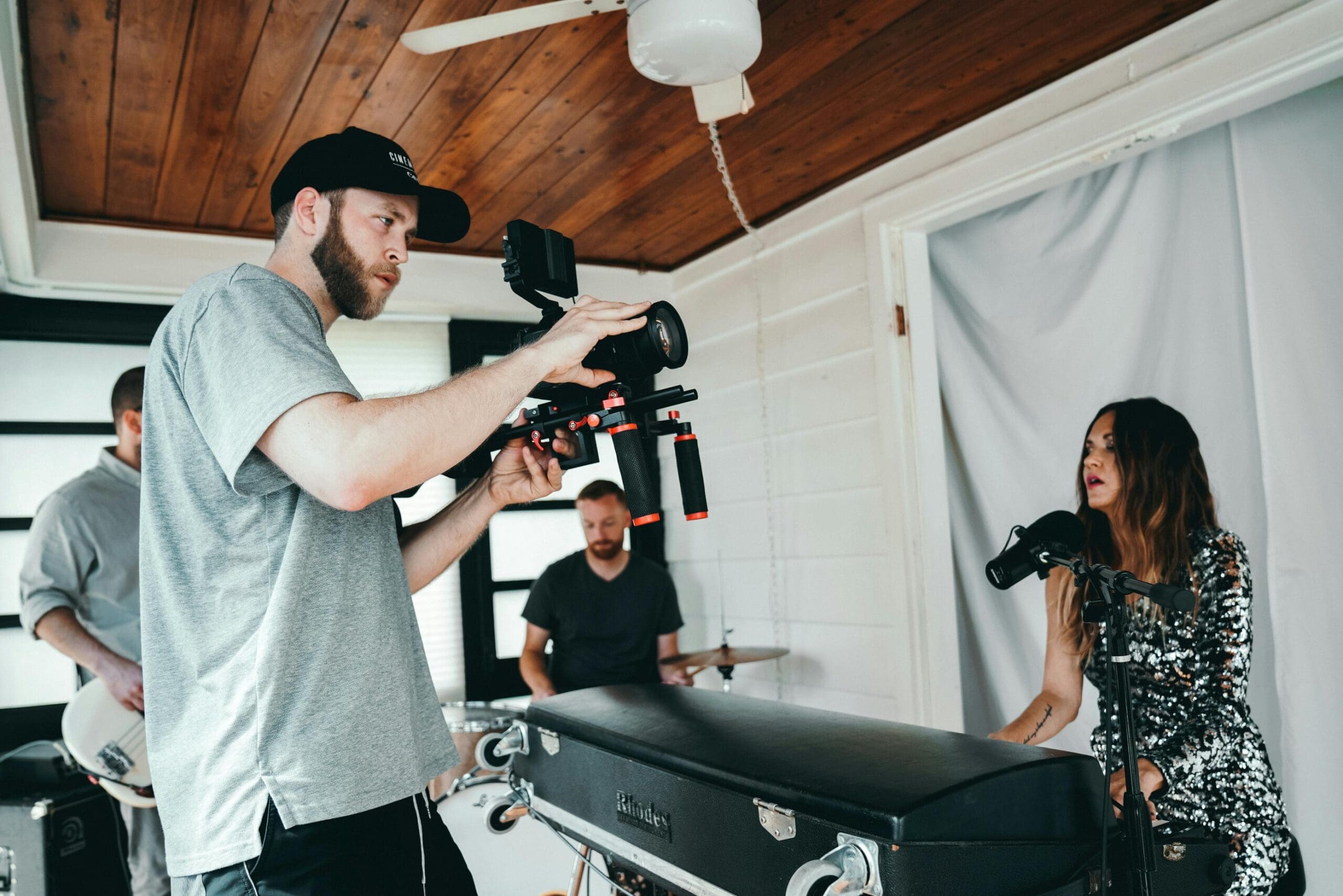
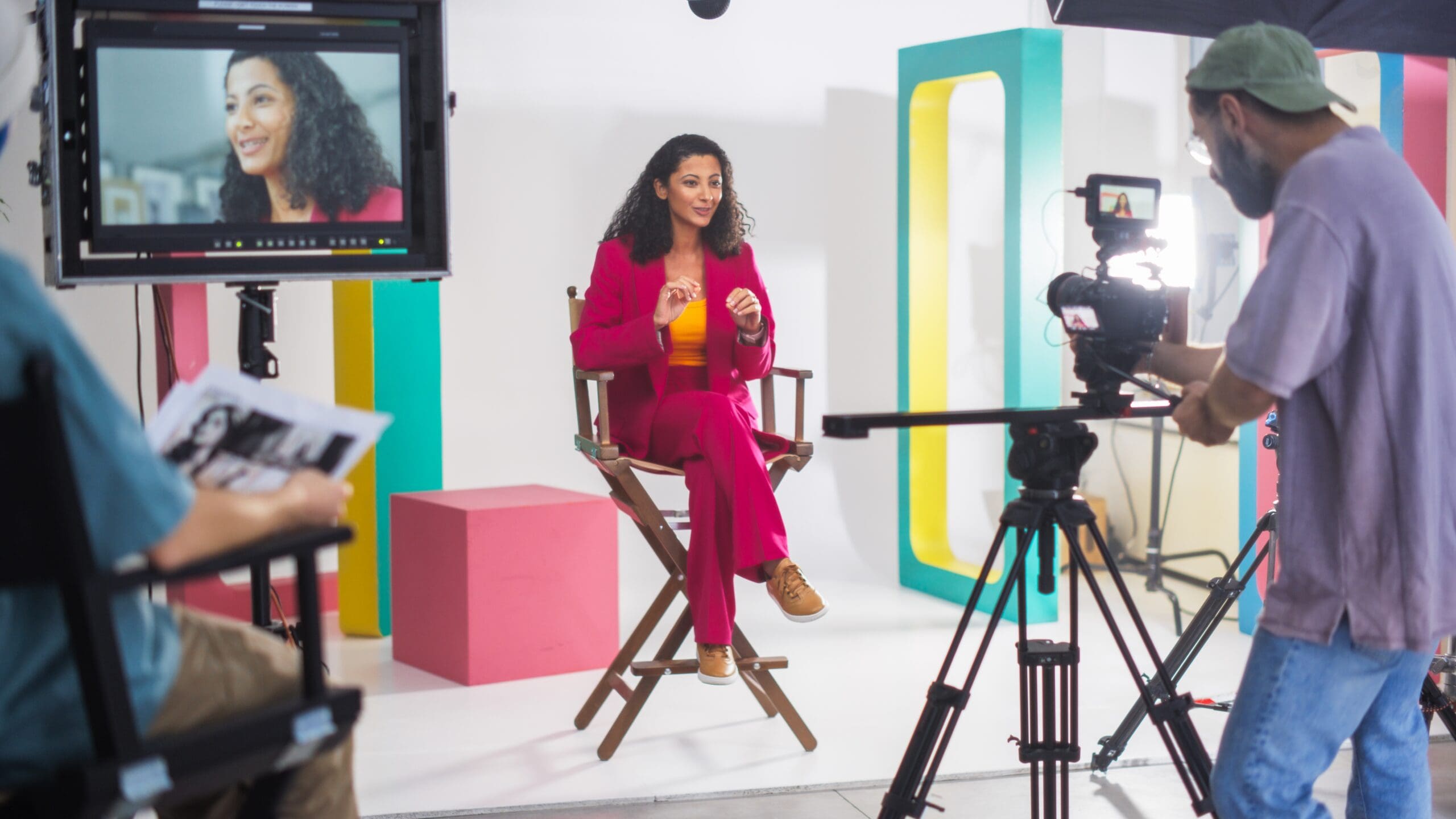
Commercial shoots often involve more people, more equipment, and more logistics than personal or portrait sessions. As the photographer, you may be responsible for coordinating models, stylists, makeup artists, assistants, set builders, and location permits. Production management skills — scheduling, budgeting, delegating, and problem-solving — are essential for delivering complex commercial projects smoothly.
A professional photography course introduces production management through increasingly complex project briefs that require you to plan, coordinate, and execute multi-element shoots. These simulated commercial experiences build the organisational skills that real-world commercial work demands.
Launch Your Commercial Photography Career
Commercial photography offers the highest earning potential in the photography industry and the opportunity to create images that shape how brands communicate with the world. If you are ready to develop the technical precision, business knowledge, and professional skills that commercial clients demand, explore the Professional Photography Course at Australian Photography School. With comprehensive training across shooting, lighting, editing, and business, a professional camera included, and expert tutors who have worked in the commercial industry, you will be equipped to compete for paid commercial assignments. Get in touch with our team today and start building a career in commercial photography.