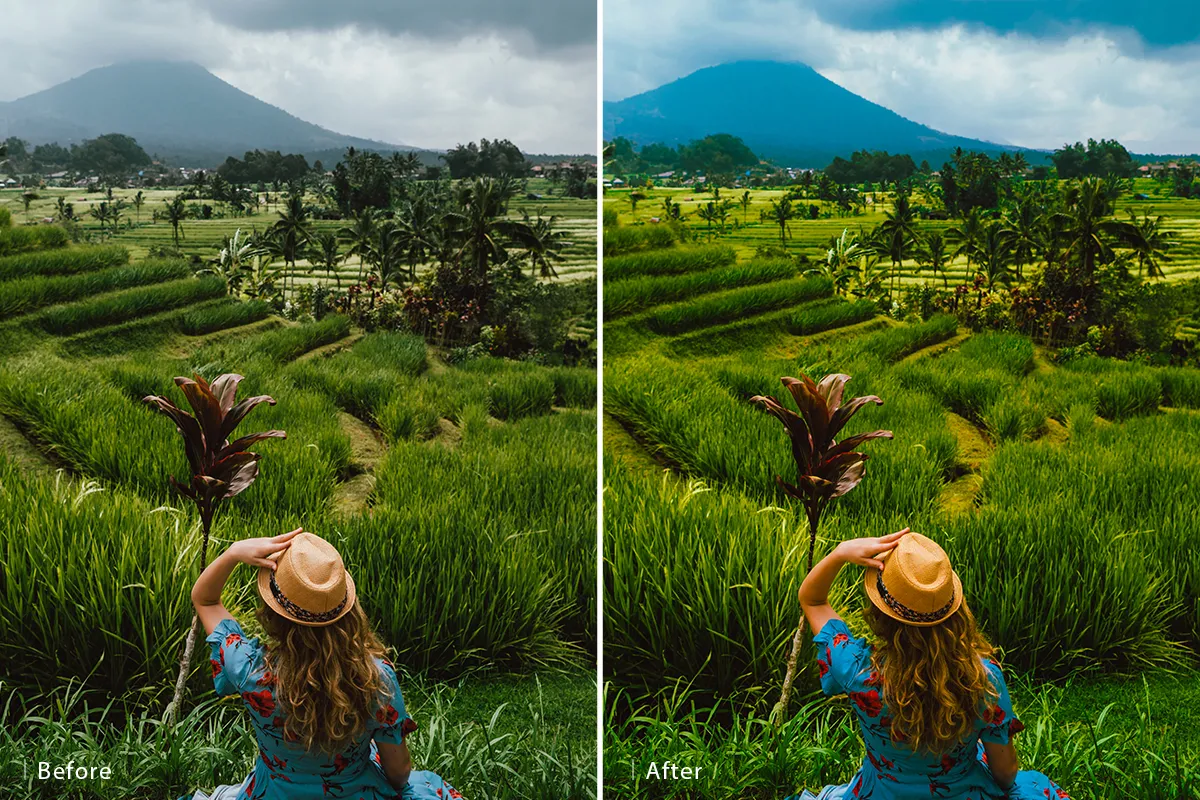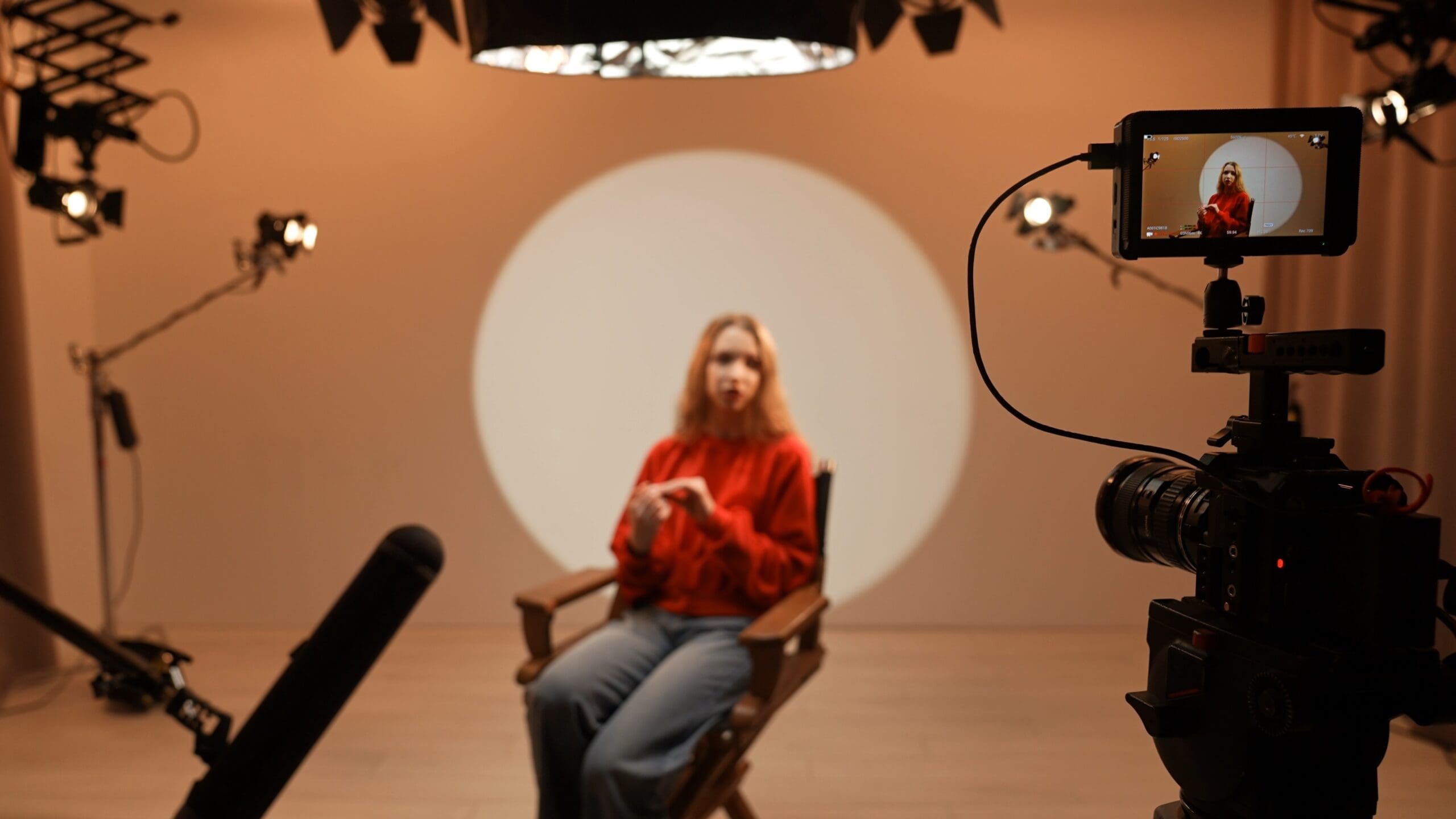

Australia offers some of the most spectacular outdoor portrait locations in the world — from golden beaches and ancient rainforests to urban laneways and sun-drenched farmland. Outdoor portrait photography combines the beauty of natural environments with the intimacy of portraiture, and it is one of the most popular genres among both clients and photographers. However, shooting outdoors introduces variables that a studio eliminates: changing light, unpredictable weather, distracting backgrounds, and harsh Australian sun. A portrait photography course teaches you how to manage these challenges and consistently produce stunning portraits in any outdoor setting.
Why Outdoor Portraits Are So Popular
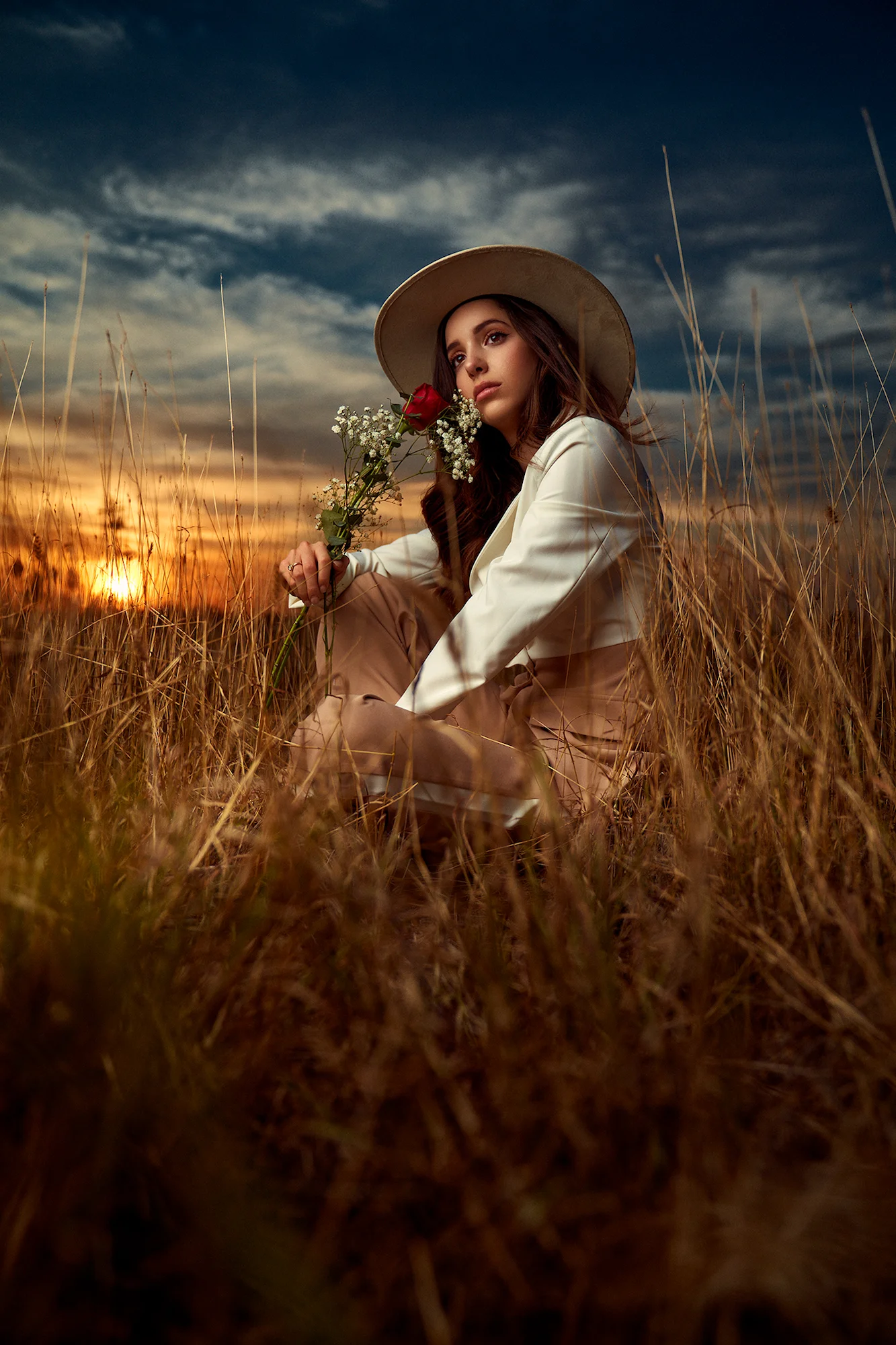
Clients love outdoor portraits because they feel natural, relaxed, and connected to a sense of place. A family photographed in a sunlit park feels more authentic than one standing against a studio backdrop. A couple captured walking through a vineyard at sunset tells a story that a white-wall headshot cannot. Outdoor portraits also tend to feel less intimidating for clients who are nervous about being photographed — the open environment and familiar surroundings help them relax.
For photographers, outdoor sessions offer endless creative variety. No two locations produce the same images, and even the same location looks completely different at different times of day and in different seasons. This variety keeps the work fresh and allows you to develop a distinctive visual style based on the environments you choose to shoot in.
A portrait photography course teaches you to see outdoor environments as creative opportunities and to use natural light, background, and colour to enhance your portraits rather than compete with them.
Location Scouting: Finding the Perfect Backdrop
The background of an outdoor portrait is almost as important as the subject. A cluttered, distracting background pulls the viewer’s eye away from the person in the frame, while a well-chosen background adds context, colour, and depth.
When scouting locations, look for backgrounds that are visually simple, colour-harmonious, and offer depth. Rows of trees, open fields, textured walls, long pathways, and bodies of water all work well. Avoid locations with busy signage, parked cars, bright rubbish bins, or other elements that will distract from your subject.
Visit potential locations at the time of day you plan to shoot. A location that looks beautiful at 4pm when the sun is low may be harsh and shadow-heavy at noon. Note where the sun rises and sets in relation to the location, where open shade is available, and where the best background options are at different times. Apps like The Photographer’s Ephemeris show you exactly where the sun will be at any time on any date, allowing you to plan your shoot with precision.
In Australia, some of the most reliable outdoor portrait locations include botanical gardens (most cities have excellent ones with diverse foliage), coastal areas (particularly during golden hour), eucalyptus forests and bushland (offering beautiful dappled light), urban areas with textured brick walls, murals, or architecture, and rural properties with open paddocks and rustic structures.
A portrait photography course encourages you to build a personal library of scouted locations — a resource that grows over time and gives you reliable options for every type of portrait session.
Timing Your Outdoor Shoots
The time of day you choose for an outdoor portrait session has a profound impact on the quality of your images. In Australia, the intensity of the sun makes timing even more critical than in milder climates.
Golden hour — the 30 to 60 minutes after sunrise and before sunset — produces the most universally flattering natural light. The sun is low, the light is warm and directional, and shadows are long and soft. For most outdoor portrait sessions, golden hour is the optimal time to shoot.
The hour before golden hour is also workable, particularly if you use open shade — areas that are blocked from direct sunlight but still receive abundant ambient light. Under a large tree canopy, in the shadow of a building, or in a covered walkway, the light is soft, even, and flattering without the time pressure of a rapidly changing golden hour.
Midday shoots should be avoided when possible, but sometimes client schedules or event timelines leave no choice. In these situations, seek out deep shade, use a reflector to fill harsh shadows, or position your subject so the sun acts as a backlight while you expose for their face. A photography course for beginners teaches these adaptive techniques as part of your broader understanding of natural light.
Managing Harsh Australian Sunlight
Australia’s latitude means the sun is more intense and overhead for more of the day than in many other countries. This creates challenges that photographers in the UK or northern Europe rarely face. Direct overhead sun at 11am in Brisbane or Perth produces deep eye socket shadows, squinting subjects, and extreme contrast that is very difficult to work with.
The simplest solution is to move into open shade. The shaded side of a building, a covered pergola, or the canopy of a mature tree all provide soft, even illumination. The key is to position your subject at the edge of the shade, facing the open sky rather than looking deeper into the shadow. This provides beautiful, directional light that wraps gently around the face.
A reflector is an invaluable tool for outdoor portrait photography. A collapsible 5-in-1 reflector (white, silver, gold, black, and translucent) costs under $50 and dramatically expands your ability to control light outdoors. The translucent panel acts as a diffuser, softening direct sunlight when held above the subject. The white or silver panels bounce light back into shadowed areas, filling harsh shadows and creating more even illumination.
For advanced outdoor lighting, many portrait photographers bring a portable flash or strobe to outdoor sessions. Off-camera flash, triggered wirelessly and modified with a small softbox, allows you to overpower harsh sunlight and create beautiful, controlled light in any outdoor condition. A portrait photography course introduces these techniques progressively as your confidence and skill develop.
Composition in Outdoor Portraits
Outdoor environments offer rich compositional opportunities that studio settings cannot replicate. A portrait photography course teaches you to integrate compositional principles with your environmental context.
Using the environment to frame your subject is one of the most effective outdoor composition techniques. Tree branches, doorways, fences, and architectural features can create natural frames that draw the viewer’s eye to the subject. Shooting through foreground elements — flowers, foliage, or out-of-focus objects in the near foreground — adds depth and atmosphere.
Leading lines are abundant outdoors. Pathways, fences, shorelines, rows of trees, and road markings all guide the viewer’s eye toward the subject. Position your subject at the convergence point of these lines for maximum impact.
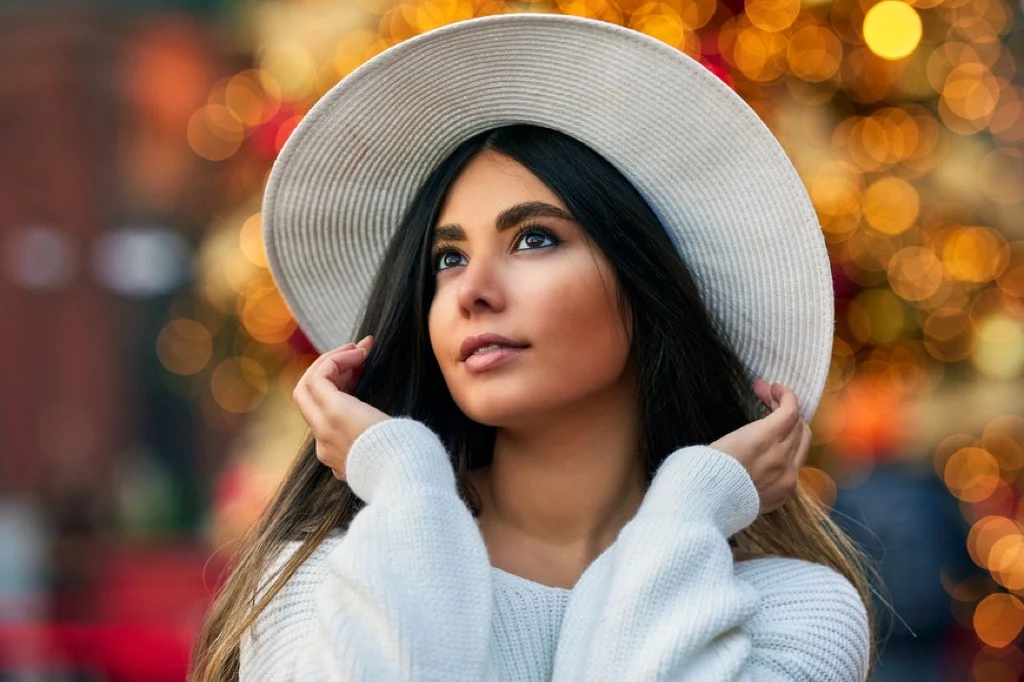
Depth of field is particularly important in outdoor portraits because backgrounds can be busy and distracting. Shooting with a wide aperture (f/1.8 to f/2.8) on a moderate telephoto lens (85mm to 135mm) produces smooth, creamy background blur that separates your subject from the environment while retaining a sense of place. This combination of lens choice and aperture is the standard setup for outdoor portrait photography. Digital Photography School offers extensive guides on outdoor composition that complement formal course training.
Working With Wind, Weather, and Wildlife
Outdoor shoots are subject to the elements, and a portrait photography course prepares you for the unexpected. Wind is the most common challenge in Australia — it dishevels hair, blows dresses in unpredictable directions, and can knock over light stands and reflectors. Position your subject with the wind blowing toward the camera so that hair flows back attractively rather than across the face.
Overcast weather, as discussed in earlier articles, actually produces beautiful portrait light. If clouds roll in during your session, embrace the soft illumination and adjust your approach rather than cancelling. Rain can create dramatic, editorial-style images if you are prepared with an umbrella prop and a willingness to get a little wet.
Australian wildlife is generally not a problem during portrait sessions, but be aware of magpie swooping season (typically August to November) and avoid nesting areas. Coastal shoots should account for tides, and bushland sessions should include insect repellent and awareness of snake habitat, particularly in warmer months.
Client Communication for Outdoor Sessions
Preparing your client for an outdoor session improves the experience and the images. A portrait photography course covers client communication as an essential professional skill.
Advise clients on wardrobe — solid colours, layers for changing conditions, and shoes appropriate for the location. Recommend avoiding busy patterns, bright logos, and brand-new shoes that may cause blisters during a walking session. Suggest bringing a change of outfit for variety. Confirm the exact meeting location and provide clear directions or a dropped pin.
Provide guidance on hair and makeup timing relative to the shoot, and recommend scheduling makeup application close to the session start to ensure it looks fresh. For golden hour shoots, remind clients that the optimal light window is limited and punctuality is important.
Capture Stunning Outdoor Portraits
Outdoor portrait photography combines technical skill, environmental awareness, and human connection into one of the most rewarding genres in photography. If you are ready to master natural light, location scouting, posing in outdoor settings, and the business of portrait photography, explore the Portrait Photography Course at Australian Photography School. With a professional camera included, flexible online study, and expert tutors guiding your development, you will be creating breathtaking outdoor portraits in any Australian landscape. Enrol today and let your portraits tell the story of this beautiful country.