
The most common challenge portrait photographers face is not technical — it is human. Most of your clients will not be professional models. They will be everyday people who feel awkward in front of a camera, do not know what to do with their hands, and are self-conscious about how they look. Your ability to direct these subjects into natural, flattering poses while keeping them relaxed and confident is what separates a competent portrait photographer from an exceptional one. A portrait photography course develops this critical skill alongside your technical abilities.
Why Posing Matters
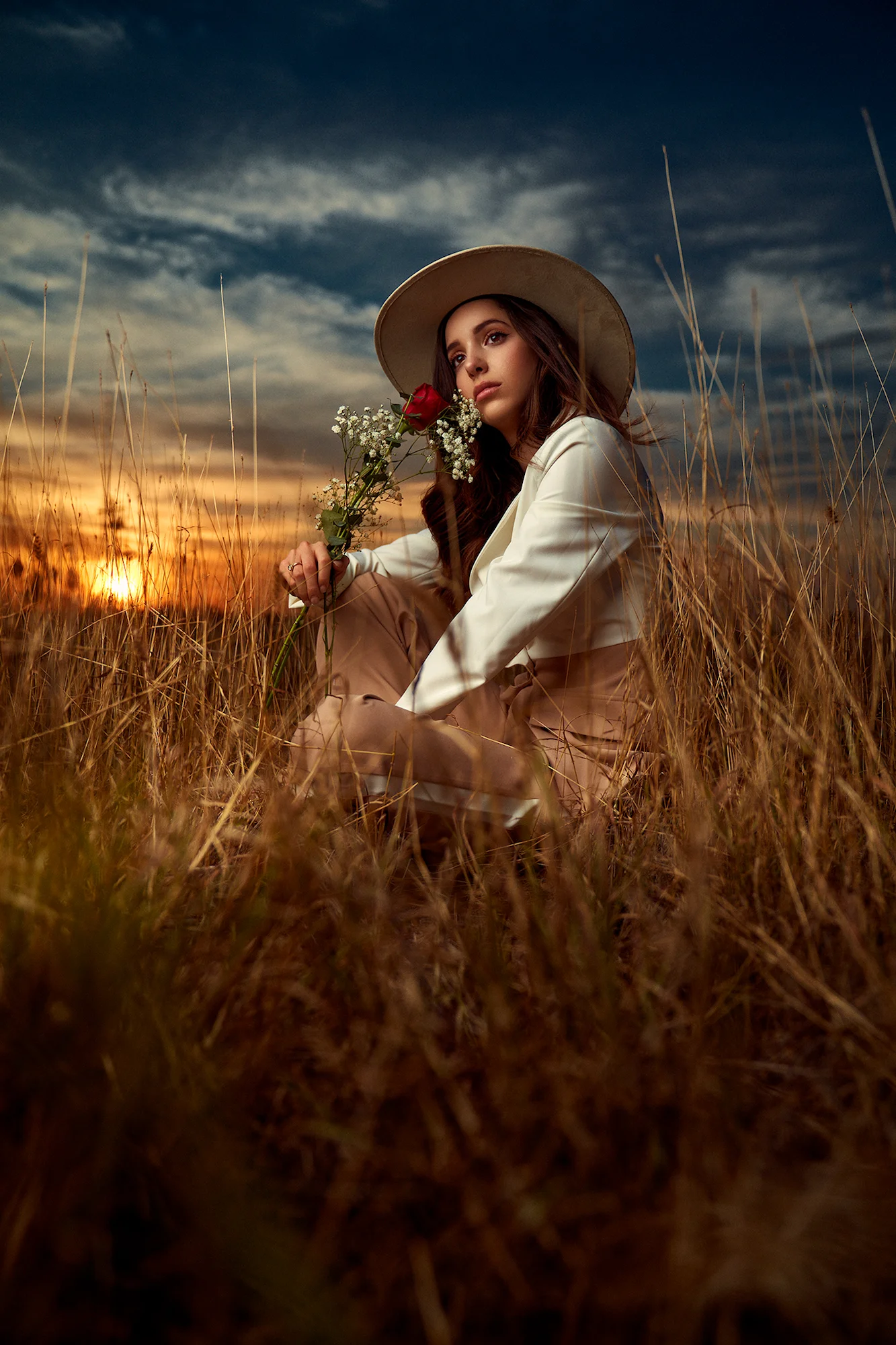
A well-posed portrait flatters the subject, communicates personality, and creates a visually compelling image. A poorly posed portrait — stiff body language, unflattering angles, awkward hand placement — makes even attractive subjects look uncomfortable and unnatural. The difference between the two is rarely about the subject’s appearance; it is about the photographer’s ability to direct.
Posing is not about putting people into rigid, artificial positions. Modern portrait photography has moved decisively away from stiff, formal poses toward natural, relaxed positioning that captures genuine expressions and authentic body language. A portrait photography course teaches you a framework of flattering positions that you can adapt to any subject, body type, and personality.
Creating a Comfortable Environment
Before you direct a single pose, you need to create an environment where your subject feels safe and relaxed. Most portrait clients experience some level of anxiety about being photographed. They worry about how they look, whether they will know what to do, and whether the images will be flattering.
Address these concerns proactively. During your pre-shoot consultation, explain what the session will involve, suggest wardrobe options, and reassure your client that you will guide them through every pose. On the day of the shoot, start with casual conversation to build rapport before picking up the camera. Play music that matches the mood of the session. Show your client a few images on the back of the camera early in the shoot so they can see how great they look — this builds confidence quickly and transforms their energy.
A portrait photography course teaches these interpersonal skills because they are as important as your camera settings. The most technically skilled photographer in the world will produce mediocre portraits if their subject is tense and uncomfortable.
Foundational Posing Principles
Several universal principles apply to posing virtually any subject, and a portrait photography course teaches these as your starting framework.
Weight distribution is the first principle. When a person stands with their weight evenly distributed on both feet, they look stiff and formal. Shifting weight to the back foot and slightly bending the front knee creates a more relaxed, dynamic stance. This simple adjustment transforms body language from rigid to approachable.
Angles are the second principle. Positioning the body at a slight angle to the camera — rather than facing it square-on — is more flattering for almost everyone. A 45-degree angle slims the body, creates dimension, and feels less confrontational than a straight-on pose. The face can then be turned back toward the camera to varying degrees depending on the desired look.
Chin position is the third principle. Having the subject extend their chin slightly forward and down creates definition in the jawline and avoids the appearance of a double chin. This is one of the most universally flattering micro-adjustments a photographer can make, and it takes practice to direct naturally without making the subject feel self-conscious.
Hand placement is the fourth principle and often the most challenging. Hands that hang limply at the sides look lifeless. Hands stuffed in pockets can look too casual. The key is to give hands something to do — rest on a hip, hold a jacket lapel, touch the face gently, hook a thumb in a belt loop, or hold a prop. A portrait photography course provides a repertoire of hand positions for different types of portraits.
Posing Women
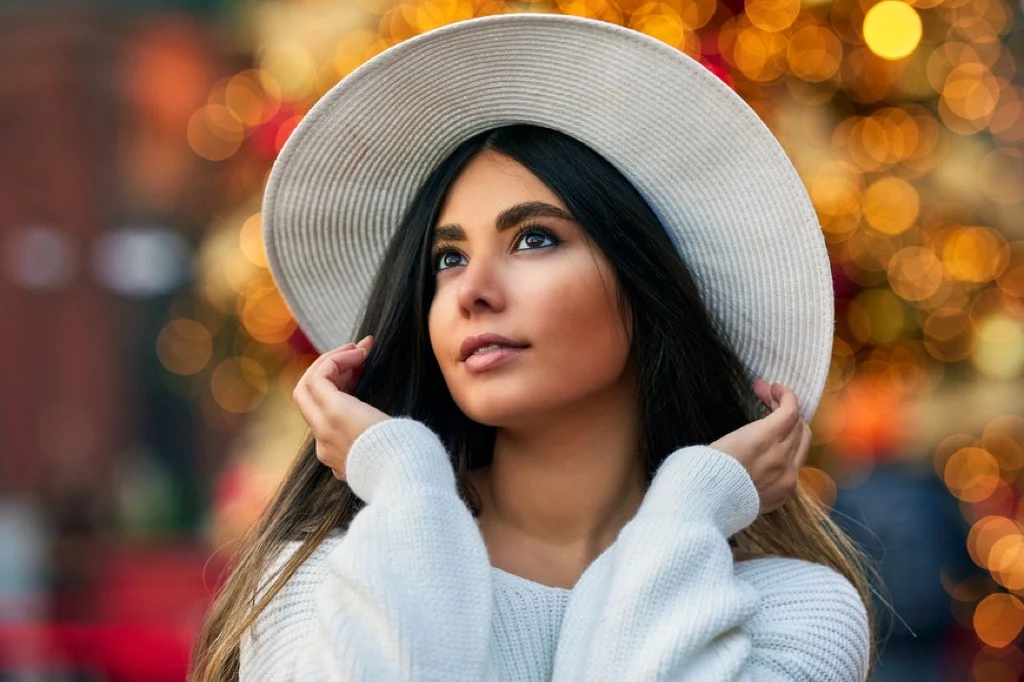
While the foundational principles apply to everyone, there are additional considerations when posing women that a portrait photography course addresses.
Creating curves in the body through posing is generally flattering. An S-curve — where the shoulders angle one way, the hips angle the other, and the weight shifts to one side — is a classic feminine pose that works for standing portraits. Placing one hand on the hip creates a triangle of negative space between the arm and body, which slims the waist and adds visual interest.
For seated poses, having the subject sit on the edge of the chair, cross one ankle behind the other, and lean slightly forward creates an engaged, elegant posture. Avoid poses where the subject sits back heavily in the chair, as this compresses the torso and creates an unflattering silhouette.
Hair direction and management is another consideration. Positioning hair over one shoulder creates asymmetry and visual interest. Having the subject run their fingers through their hair mid-movement creates natural, dynamic shots. For more guidance, SLR Lounge’s posing guides provide extensive visual references.
Posing Men
Masculine posing typically emphasises structure, strength, and confidence. Broader stances, squared shoulders, and strong jawlines are common elements in male portraits.
For standing poses, having the subject stand with feet shoulder-width apart, weight slightly back, and arms either crossed or with hands in pockets creates a confident, relaxed stance. Leaning against a wall or railing with ankles crossed adds casual ease. For seated poses, leaning forward with elbows on knees creates a powerful, engaged look.
Jawline definition is particularly important in male portraits. Directing the subject to push their forehead slightly toward the camera while keeping their chin level creates strong jaw definition. Side lighting that creates shadow along the jawline emphasises this further.
Posing Couples and Groups
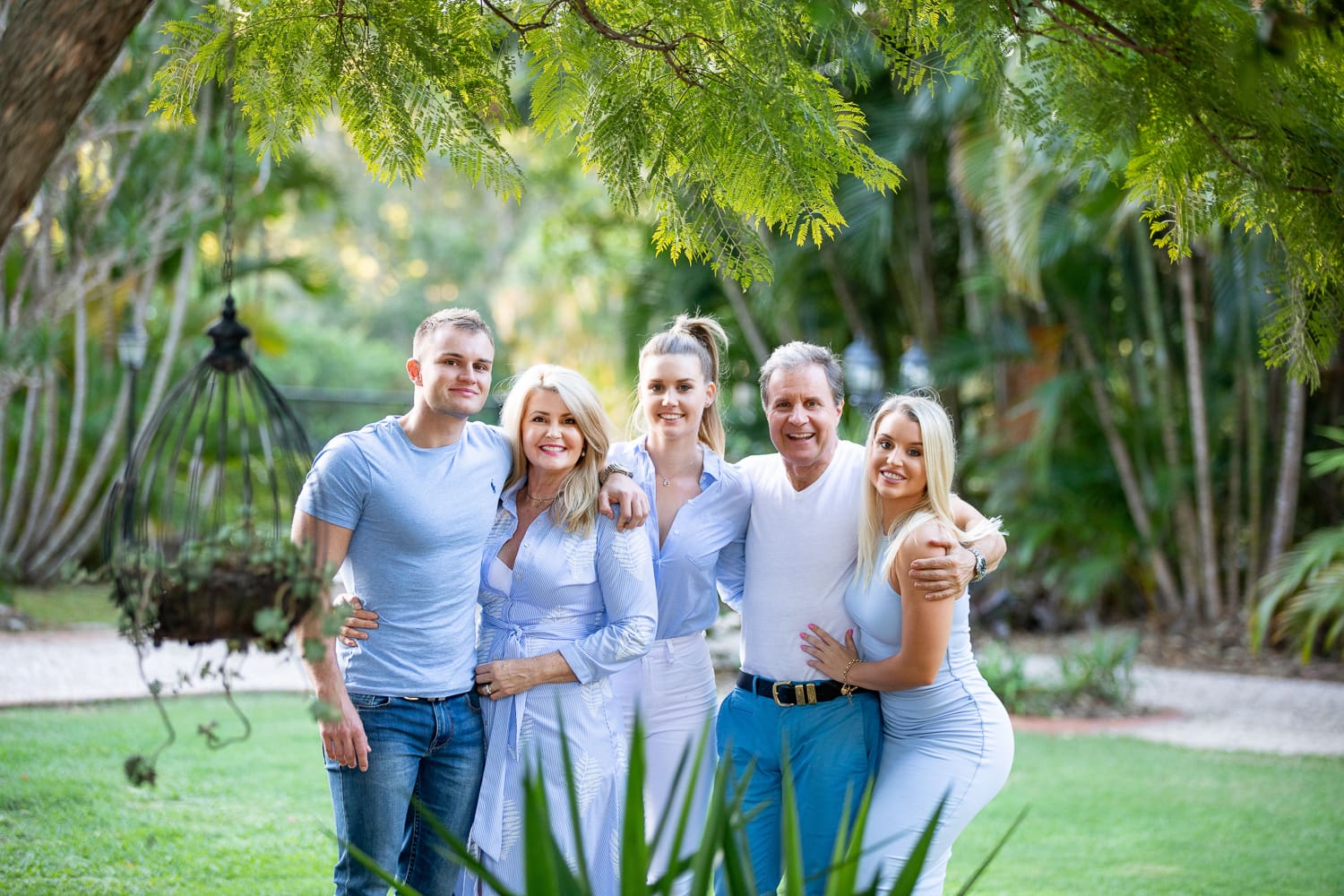
Couple and group posing introduces the additional complexity of creating connection between multiple subjects. A portrait photography course dedicates specific modules to these scenarios.
For couples, physical connection is essential — hands touching, foreheads together, one person looking at the other while they look at the camera. Creating height variation through poses (one sitting while the other stands, for example) adds visual interest. Movement-based prompts — walking together, dancing, whispering — generate natural interactions that feel authentic rather than staged.
For groups, staggering heights by having some subjects stand, some sit, and some kneel creates a dynamic composition. Ensuring that everyone’s face is clearly visible and well-lit becomes the primary technical challenge. Keeping the group tight — physically close together — creates intimacy and cohesion.
Movement and Prompts Over Static Poses
The trend in modern portrait photography is away from static, held poses and toward movement and interaction. Rather than placing a subject in a position and asking them to hold still, many photographers now use prompts — verbal instructions that create natural movement and genuine expressions.
Examples of prompts include asking a couple to walk toward you while one whispers something funny in the other’s ear, or asking a family to have a group hug and then everyone look at the camera on the count of three, or asking a portrait subject to twirl slowly, then glance over their shoulder at you.
Prompts create moments rather than poses. They produce images that feel alive, spontaneous, and emotionally authentic — qualities that clients value far more than technically perfect but emotionally sterile portraits. The Portrait System offers advanced prompting techniques that build on the fundamentals taught in a course.
Practising Your Directing Skills
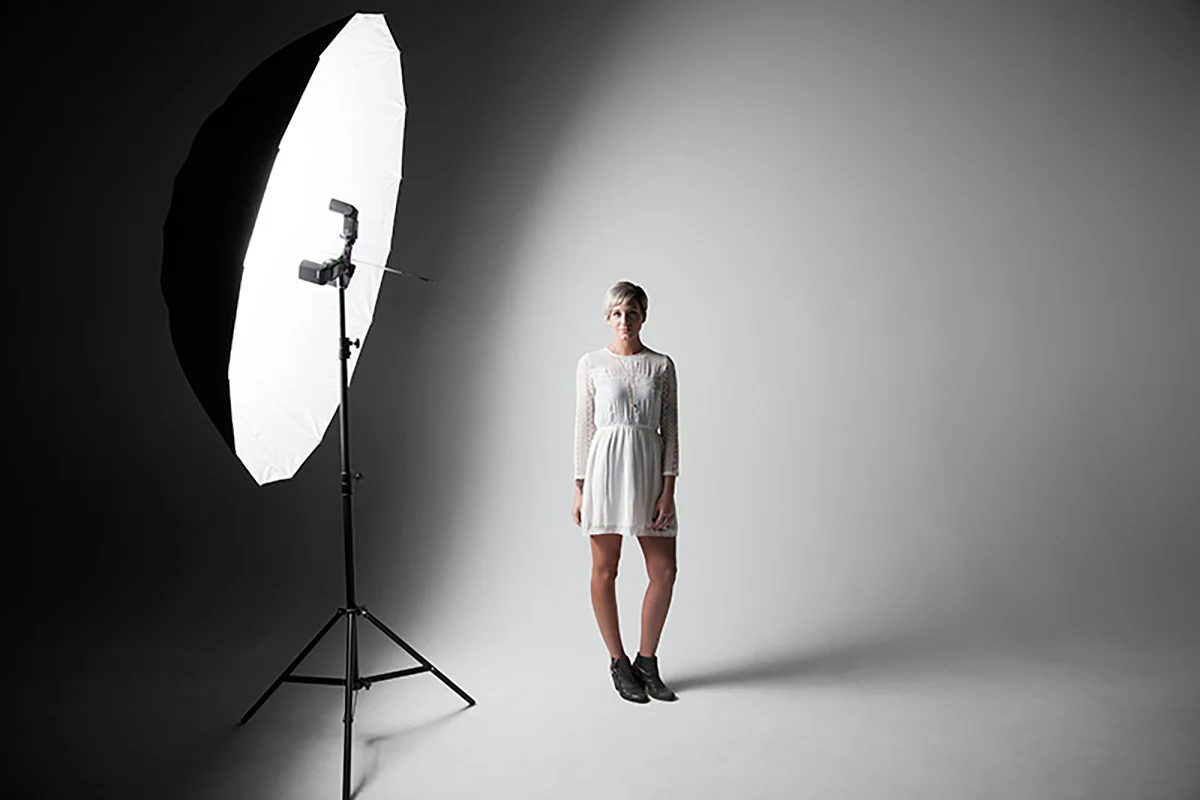
Directing skills improve with practice. A portrait photography course provides structured opportunities to practise posing with real subjects and receive feedback from experienced tutors. Between formal practice sessions, photograph friends and family members and focus specifically on your directing — how clearly you communicate, how quickly you build rapport, and how naturally your subjects respond to your guidance.
Film yourself directing a session occasionally and review the footage. You will notice verbal habits, unclear instructions, and missed opportunities that you can correct in future sessions. The goal is to reach a point where posing direction flows naturally, almost conversationally, so your subject barely notices they are being posed at all.
Master the Art of Directing Portraits
Great portrait photography is equal parts technical skill and human connection. If you are ready to develop the posing, directing, and interpersonal skills that create stunning portraits, explore the Portrait Photography Course at Australian Photography School. Learn lighting, posing, editing, and client communication from experienced tutors, with a professional camera included in your enrolment. Contact us today and start creating portraits that your clients will treasure for a lifetime.