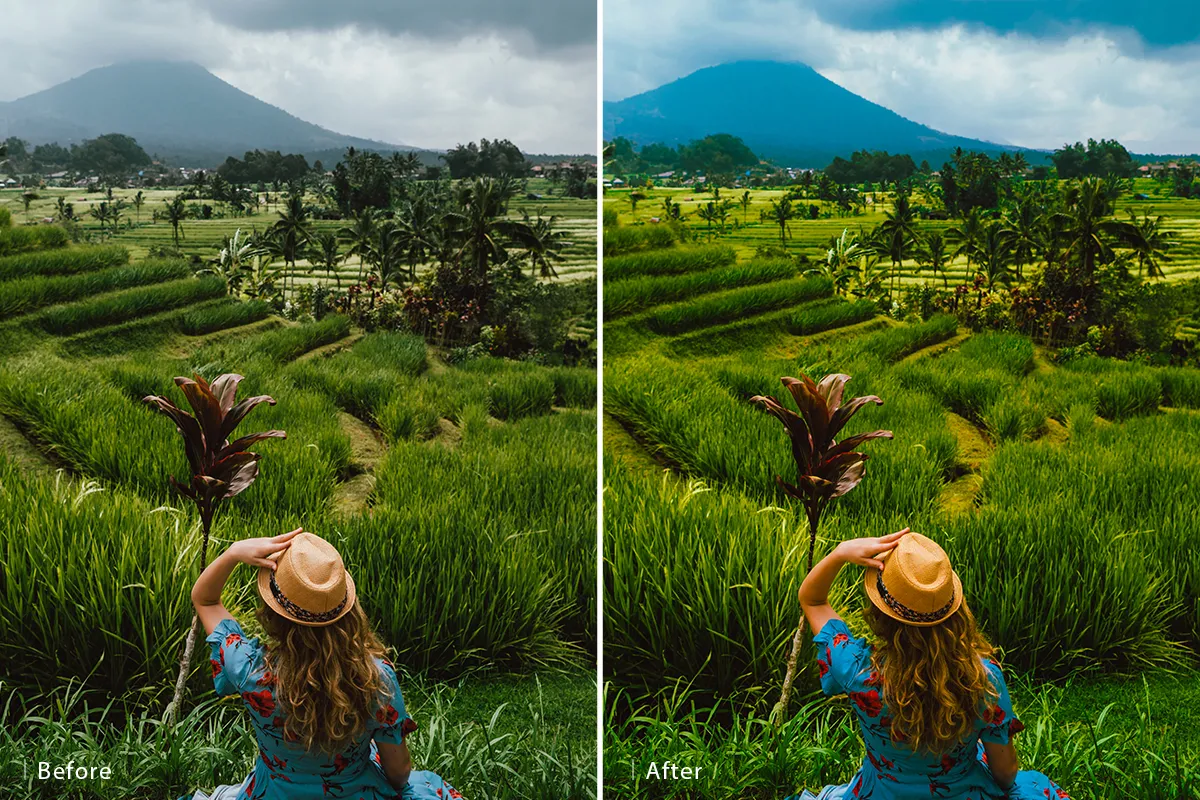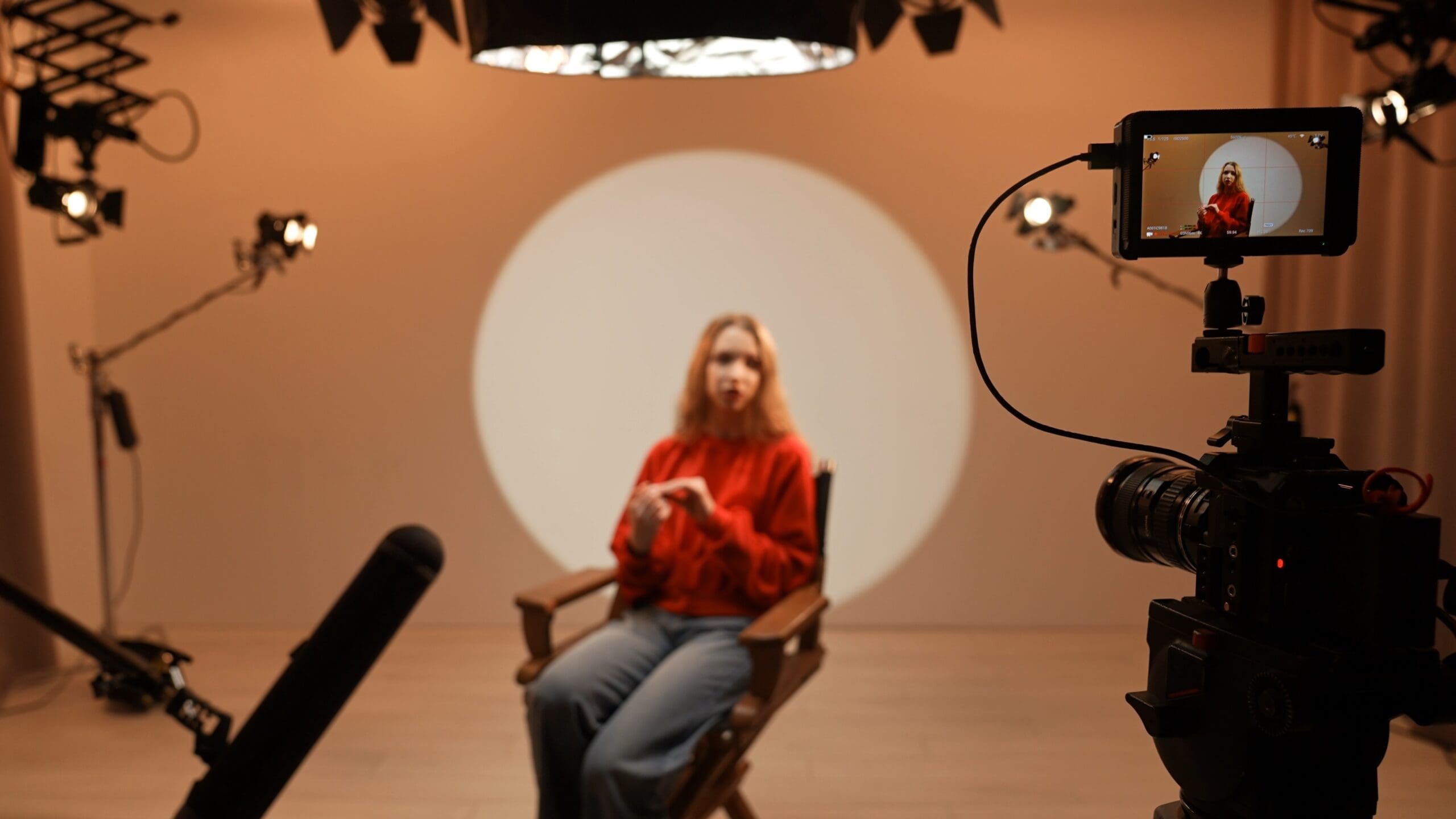


Photography is one of the most versatile creative careers available in Australia. The skills you develop through a professional photography course open doors to a remarkable range of career paths — from wedding and portrait photography to commercial advertising, photojournalism, content creation, and beyond. Understanding the full landscape of opportunities helps you make informed decisions about your specialisation and build a career aligned with your passions, lifestyle goals, and income expectations.

The Australian Photography Industry in 2026
The photography industry in Australia is evolving rapidly. Traditional studio photography businesses coexist with freelance content creators, commercial specialists, and hybrid professionals who combine photography with videography, social media management, and digital marketing. The demand for professional imagery continues to grow across every sector as businesses invest more heavily in visual content for digital platforms.
According to the Australian Government’s Job Outlook data, the creative arts sector is projected to grow steadily through the decade, with particular demand in digital content production, e-commerce photography, and corporate communications. Photographers who combine technical skill with business acumen and digital literacy are best positioned to capitalise on these trends.
A professional photography course prepares you for this evolving landscape by building skills that are relevant across multiple specialisations and income streams.
Wedding and Event Photography
Wedding photography remains one of the most popular and financially rewarding specialisations in Australia. The average Australian wedding costs over $36,000, and photography typically accounts for 8 to 12 percent of the total budget. Full-day wedding packages range from $2,500 to $8,000, with premium photographers commanding $10,000 or more.
Wedding photography demands a unique combination of technical skill, people management, creative vision, and the ability to perform under pressure with no second chances. It also offers a lifestyle that many photographers value — weekday editing and flexibility, weekend shooting, and the emotional reward of documenting one of the most important days in someone’s life.
Event photography — corporate functions, conferences, gala dinners, product launches, and festivals — provides consistent work throughout the year. Hourly rates typically range from $150 to $400, and event photographers who build relationships with venues and event management companies enjoy regular repeat bookings.
Portrait and Family Photography
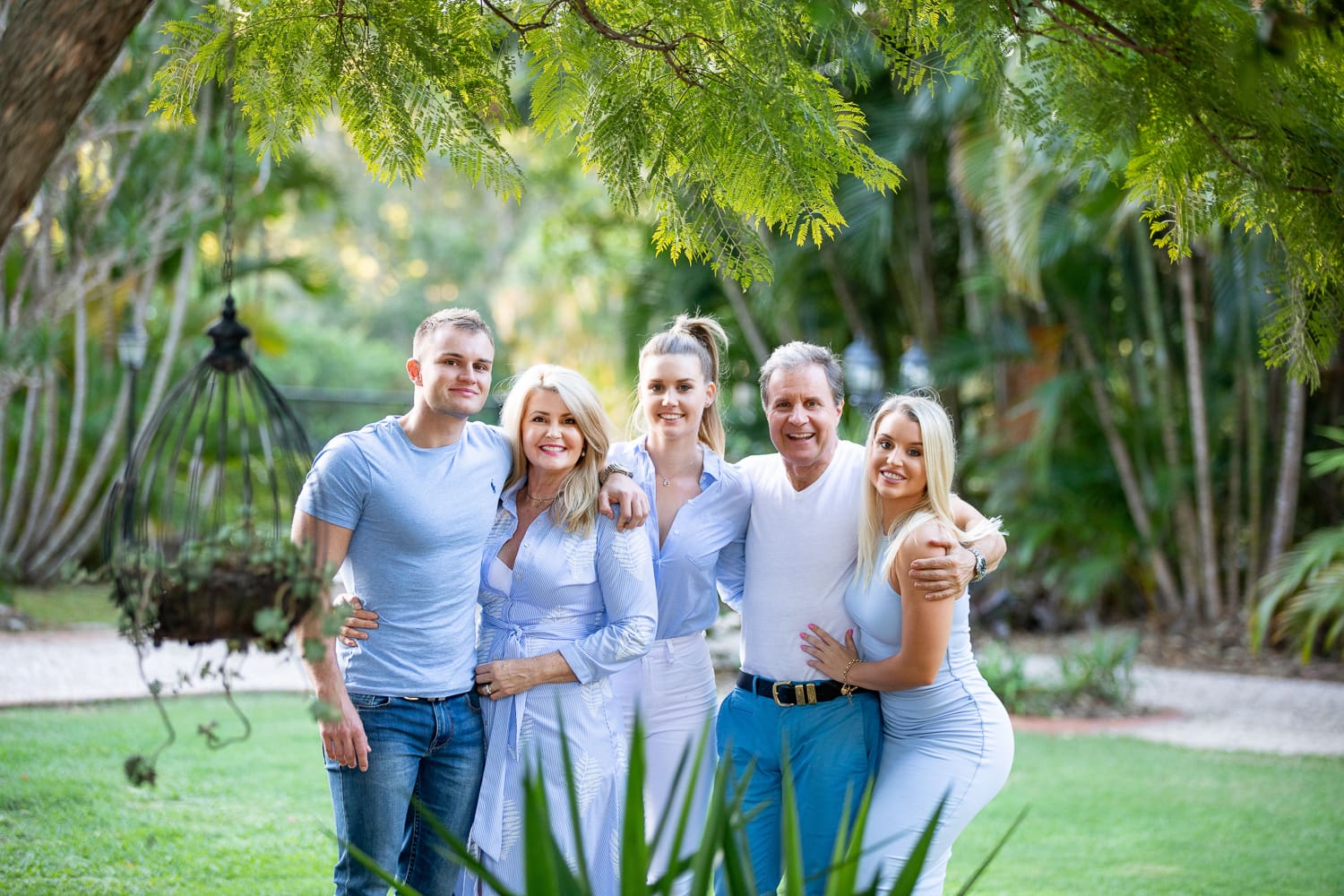
Portrait photography encompasses individual portraits, family sessions, newborn photography, maternity shoots, and seniors. It is one of the most accessible specialisations for new professionals because the client base is broad and the equipment requirements are relatively modest.
Session fees for portrait photographers in Australia range from $250 to $1,500 depending on the scope and the photographer’s experience level. Print and product sales can significantly increase per-client revenue — a family session with a $500 session fee might generate an additional $500 to $2,000 in album, wall art, and print orders.
A portrait photography course provides the lighting, posing, and editing skills specific to this specialisation and prepares you to serve clients across the full range of portrait genres.
Commercial and Advertising Photography
Commercial photography is the highest-earning sector of the industry. Brands, advertising agencies, and businesses pay premium rates for images that will represent them publicly. Commercial day rates in Australia start at $1,500 and can reach $5,000 to $10,000 for advertising campaigns with complex production requirements.
This specialisation demands the highest level of technical skill, particularly in lighting, post-production, and colour management. It also requires strong business and communication skills — commercial clients work to detailed briefs with specific requirements, and the photographer must translate those requirements into creative execution.
Product and e-commerce photography is a particularly accessible entry point into commercial work. The growth of online retail in Australia means that every product sold online needs professional imagery, and many businesses outsource this work to freelance photographers. The Australian Retailers Association provides industry insights relevant to e-commerce photography professionals.
Photojournalism and Documentary Photography
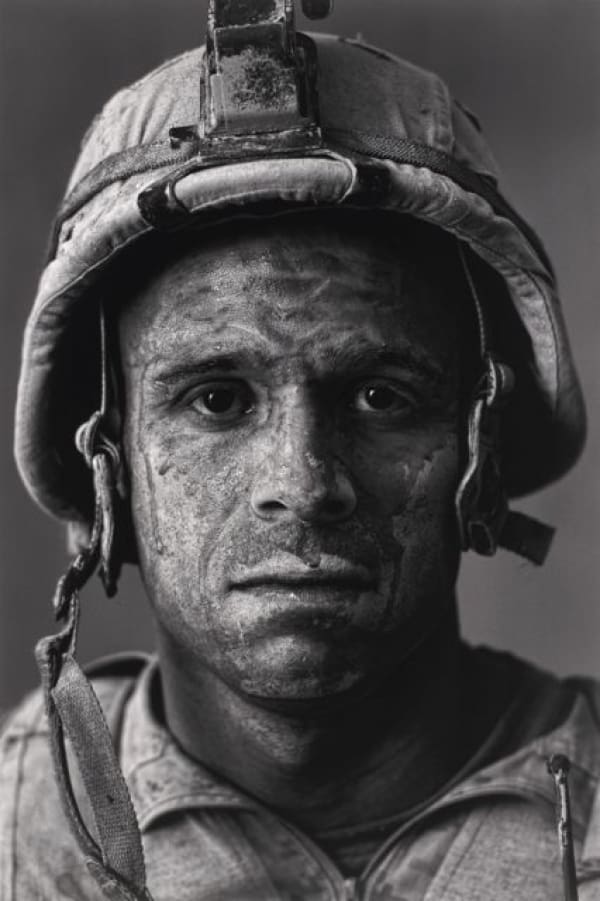
Photojournalism and documentary photography tell stories that matter — social issues, environmental crises, cultural traditions, and breaking news. While earning potential is generally lower than commercial work, photojournalism offers profound creative and personal fulfilment.
Staff photographer positions at Australian newspapers and media outlets are increasingly rare as the industry evolves, but freelance opportunities with publications, NGOs, and editorial clients remain. Documentary photographers also find work through grants, residencies, exhibitions, and book publishing.
A professional photography course builds the storytelling and technical skills that photojournalism demands, including working in challenging conditions, capturing decisive moments, and editing narratives from large volumes of images. Organisations like World Press Photo showcase the highest standard of photojournalistic work and provide inspiration and educational resources.
Content Creation and Social Media Photography
The convergence of photography, videography, and social media has created an entirely new career category. Content creators produce visual content for brands, businesses, and their own platforms. The skills required span photography, video production, editing, copywriting, and platform strategy.
Freelance content creators in Australia charge monthly retainers of $1,500 to $5,000 for ongoing social media content production. Influencers and personal-brand creators monetise through sponsorships, affiliate marketing, and digital product sales.
This career path rewards versatility and platform fluency. A videography course combined with a photography foundation creates the multi-skilled profile that the content creation market demands.
Real Estate and Architectural Photography
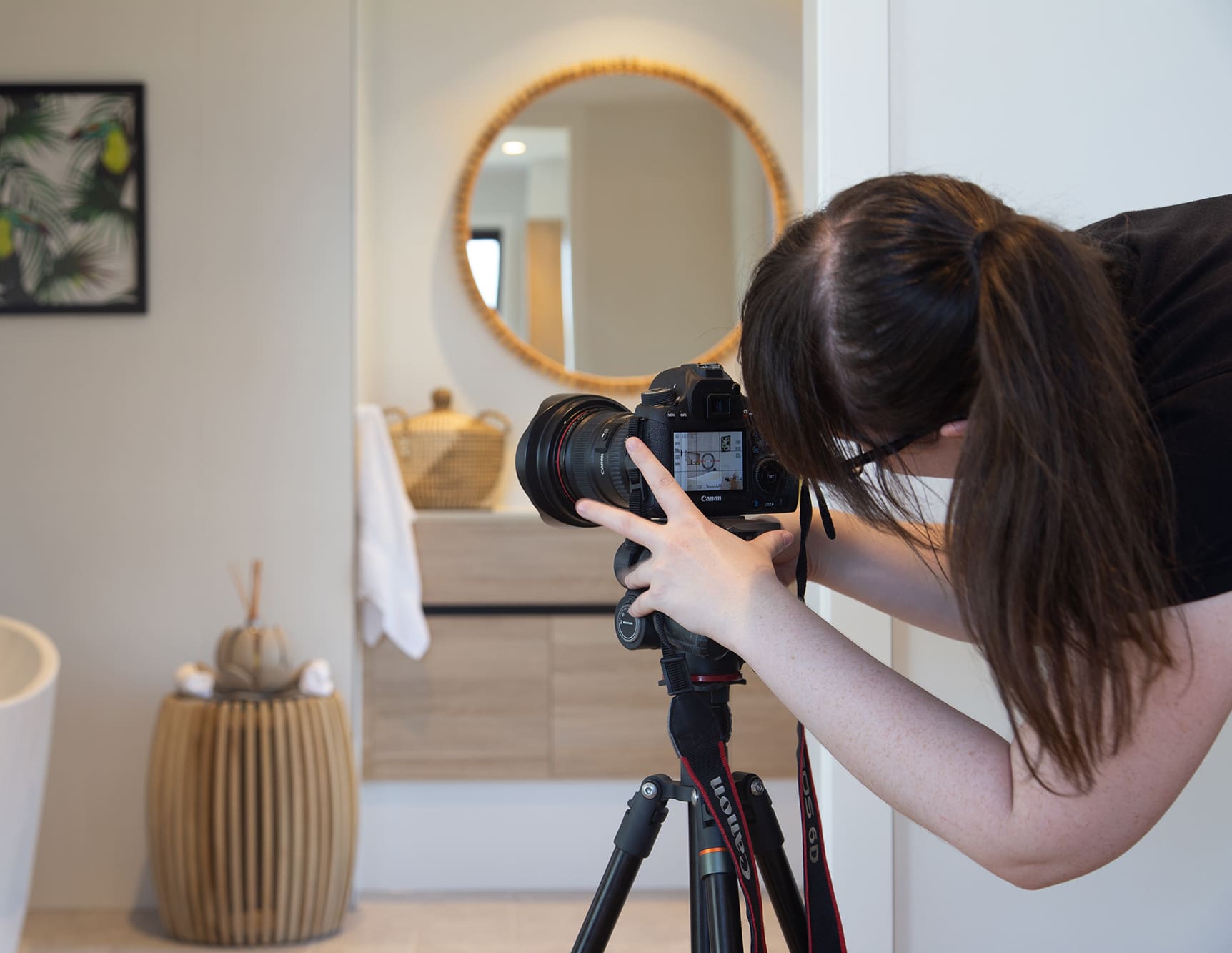
Every property listing needs photographs, and the Australian property market’s appetite for professional real estate photography is insatiable. Real estate photographers charge $150 to $500 per property for standard photography, with additional revenue from drone photography, floor plans, video walkthroughs, and virtual tours.
The work is high-volume and process-driven — experienced real estate photographers can shoot two to four properties per day, generating significant daily revenue. Architectural photography for design firms, builders, and hospitality venues pays higher rates and demands greater creative and technical skill.
Wildlife and Nature Photography
Australia’s unique fauna and spectacular landscapes make it one of the world’s premier destinations for wildlife and nature photography. Career paths include editorial publication, stock photography, tourism photography, conservation work, and fine-art print sales.
A wildlife photography course develops the specific technical skills — long telephoto technique, patience, field craft, and ethical practices — that wildlife work demands. While it can be challenging to generate full-time income exclusively from wildlife photography, combining it with teaching, content creation, and related specialisations creates a viable career path.
Building a Multi-Income Photography Career
The most financially resilient photographers diversify their income across multiple streams. A typical diversified photography career might combine wedding photography on weekends with corporate headshots midweek, content creation retainers with local businesses, print and product sales through an online store, and occasional workshop teaching.
This diversified approach reduces dependence on any single income source and provides financial stability through seasonal fluctuations. A photography business course teaches you how to build, manage, and grow a multi-stream photography business.
Start Your Photography Career
The opportunities available to professional photographers in Australia are broader and more accessible than at any time in history. Whether you are drawn to weddings, commercial work, content creation, wildlife, or a combination, the path begins with comprehensive professional training. Explore the Professional Photography Course at Australian Photography School and build the skills, portfolio, and business acumen needed for a thriving photography career. With a camera included, flexible online study, and expert tutors, your creative future starts here. Get in touch today.