
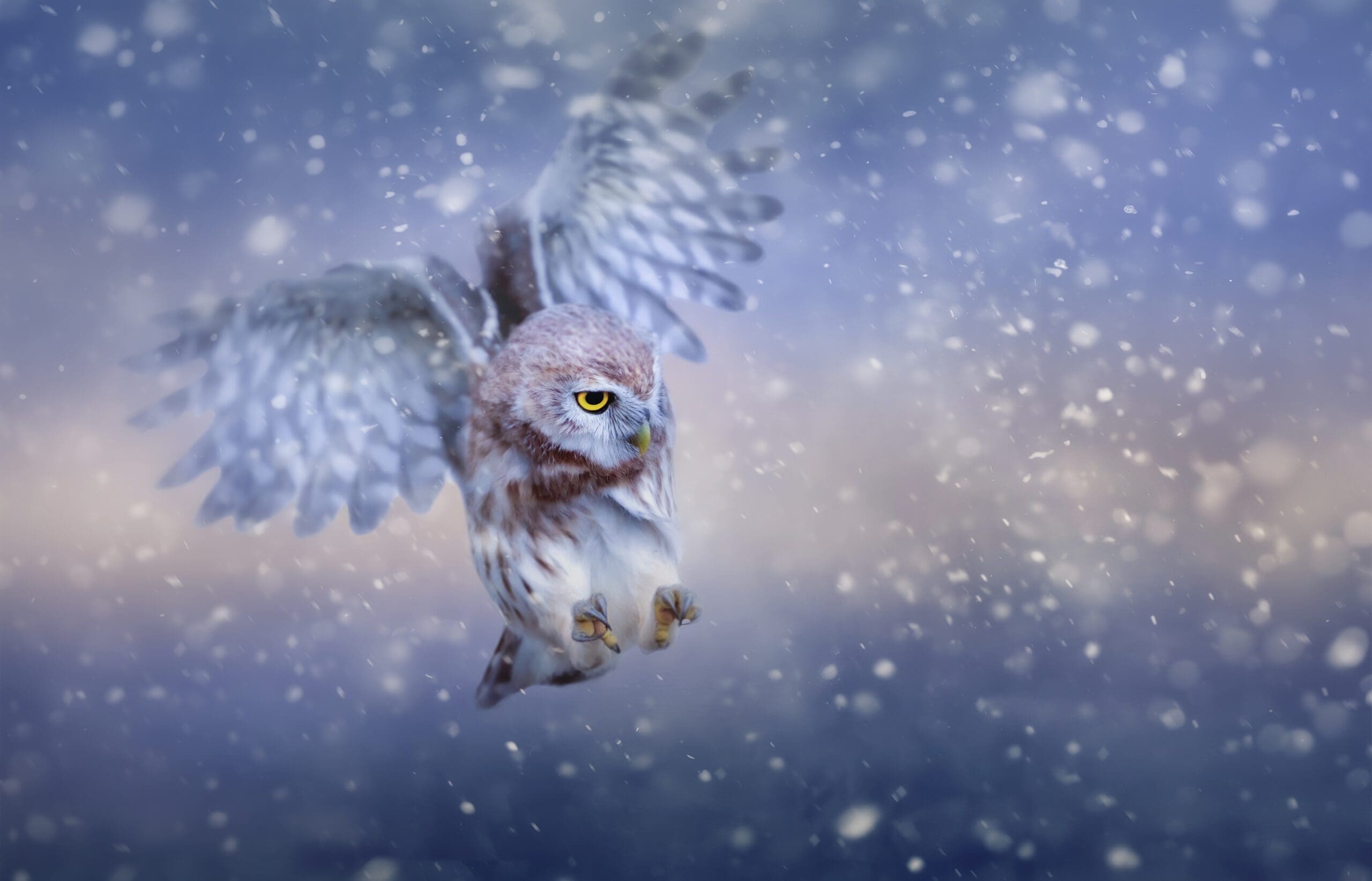
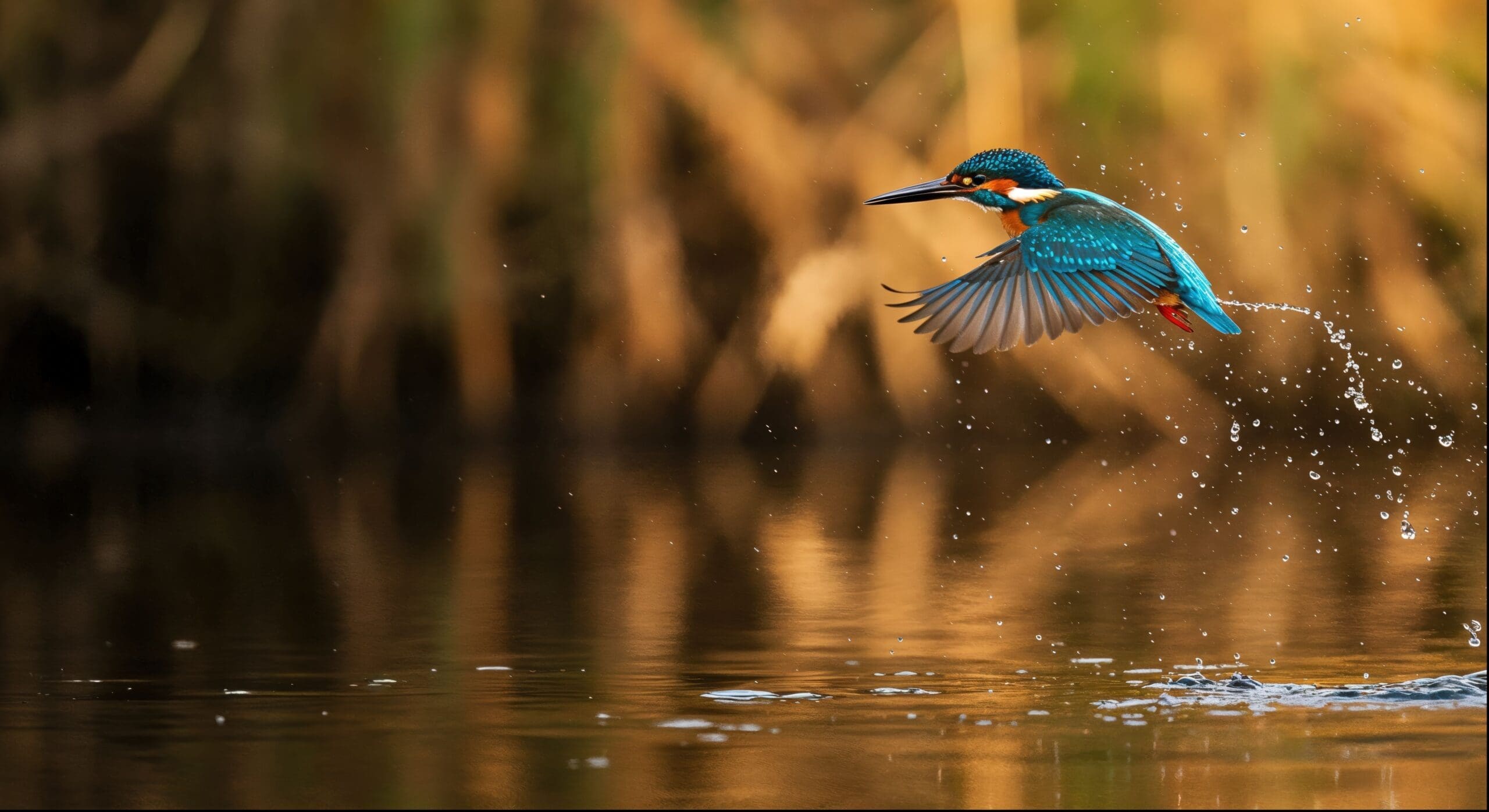
Australia is home to over 800 bird species, including some of the most visually spectacular and behaviourally fascinating birds on Earth. From the vivid plumage of rainbow lorikeets and crimson rosellas to the dramatic hunting dives of sea eagles and the charming waddle of fairy penguins, Australian birds offer extraordinary photographic subjects. But bird photography is one of the most technically demanding genres in the field — the subjects are small, fast, unpredictable, and easily frightened. A wildlife photography course teaches you the specific equipment choices, camera techniques, fieldcraft skills, and ethical practices needed to capture stunning bird images.
Why Bird Photography Is So Rewarding
Bird photography combines the challenge of technical precision with the joy of being outdoors in beautiful natural environments. It demands patience, observation, and quick reflexes — skills that transfer to every other area of photography. And it connects you to the natural world in a way that few other hobbies or professions can match.
Australia’s bird diversity makes it a world-class destination for bird photography. The continent’s long geographic isolation has produced hundreds of endemic species found nowhere else — cockatoos, kookaburras, emus, lyrebirds, and fairy-wrens, among many others. National parks, wetlands, coastal areas, and even suburban gardens provide abundant photographic opportunities without expensive international travel.
A wildlife photography course introduces you to the specific challenges and rewards of bird photography and builds the foundational skills you need to succeed in the field.
Essential Equipment for Bird Photography
Lens choice is the most critical equipment decision for bird photography. Birds are typically observed at distances of 10 to 50 metres, and you need significant focal length to fill the frame with your subject. A 100–400mm or 150–600mm telephoto zoom is the standard recommendation for beginning bird photographers. These lenses provide the reach needed for most situations while remaining portable enough for fieldwork.
Prime telephoto lenses — 500mm f/4 or 600mm f/4 — deliver superior image quality and faster autofocus but come at a significant price premium (often $10,000 to $20,000 for professional-grade models). These are aspirational lenses for serious bird photographers, but they are not necessary for producing excellent images. Modern telephoto zooms from Sigma, Tamron, Sony, and Canon deliver excellent results at a fraction of the cost and are the lenses most wildlife photography course instructors recommend for students.
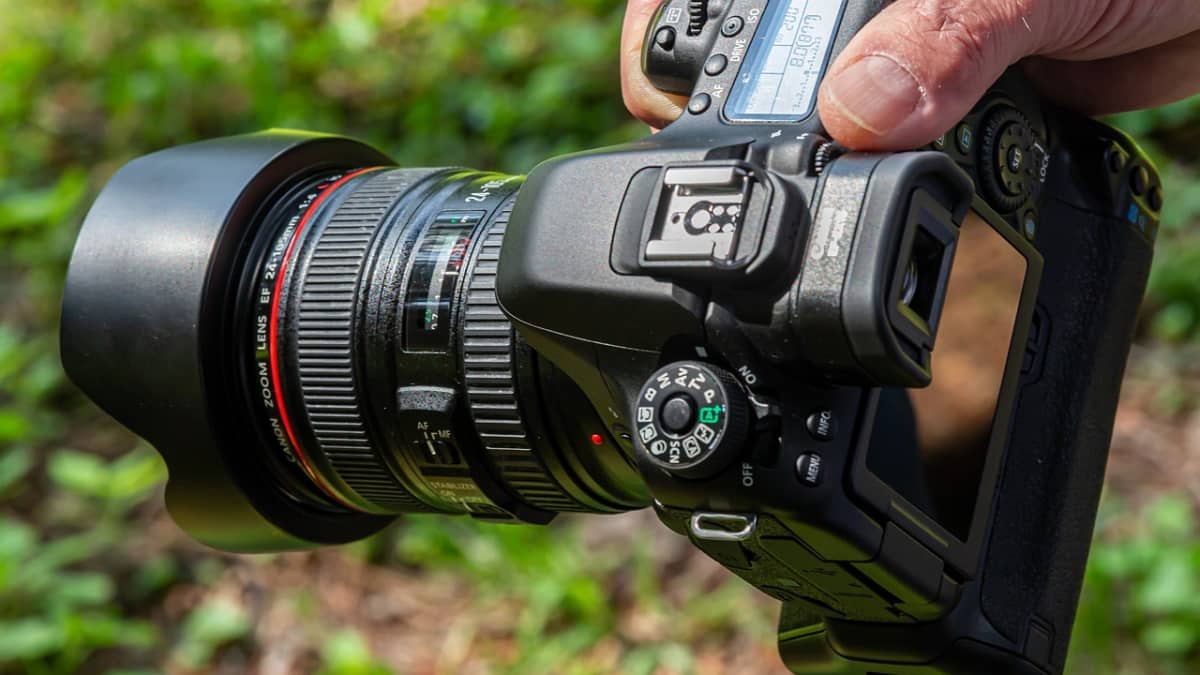
Camera body features matter more for bird photography than for most other genres. Fast and accurate autofocus is essential — birds move quickly, and your camera needs to track them reliably. High frame rates (10 to 30 frames per second on modern mirrorless cameras) increase your chances of capturing peak action. Good high-ISO performance allows you to shoot in the low-light conditions of early morning and late afternoon when birds are most active. Modern mirrorless cameras from Sony, Canon, and Nikon all offer excellent capability for bird photography.
A sturdy tripod with a gimbal head provides stable support for heavy telephoto lenses during extended shooting sessions. Monopods offer a lighter alternative for photographers who prefer to stay mobile. Camouflage clothing and hides (portable blinds) help you approach birds without disturbing them, significantly increasing your opportunities for close-range images.
A wildlife photography course guides you through equipment selection based on your budget and goals, helping you avoid expensive mistakes and invest wisely. For detailed lens reviews and comparisons, DPReview is a trusted resource in the photography community.
Camera Settings for Bird Photography
Bird photography demands specific camera settings that prioritise speed, accuracy, and the ability to react to unpredictable subjects.
Shutter speed is your first priority. For stationary perched birds, 1/500 is generally sufficient. For birds in flight, 1/2000 to 1/4000 freezes wing movement and produces sharp images. For dramatic effect, slower shutter speeds (1/60 to 1/250) can create artistic motion blur in the wings while keeping the body sharp — a technique that requires practice but produces stunning results.
Aperture should be wide open (the lowest f-number your lens allows) in most situations. This maximises the amount of light reaching your sensor (essential for fast shutter speeds), creates a shallow depth of field that isolates the bird from a blurred background, and ensures the fastest possible autofocus performance.
ISO should be set to auto with a minimum shutter speed specified. Configure your camera to maintain at least 1/2000 for flight shots and let ISO adjust automatically to achieve correct exposure. Modern cameras produce excellent image quality up to ISO 3200 or beyond, so do not be afraid of high ISO settings — a sharp image at ISO 3200 is always better than a blurred image at ISO 400.
Autofocus mode should be continuous (AF-C) with animal or bird eye detection engaged if your camera supports it. This feature, available on recent mirrorless cameras, automatically identifies and tracks a bird’s eye, keeping it in perfect focus even as the subject moves through the frame. It is a game-changing technology for bird photography. A wildlife photography course teaches you to configure and optimise your camera’s autofocus system for maximum performance with birds.
Fieldcraft: Finding and Approaching Birds
The best camera settings and equipment in the world are useless if you cannot get close enough to your subjects. Fieldcraft — the knowledge and skills needed to find, approach, and photograph wild animals — is the most important skill a wildlife photography course develops.
Research your target species before heading into the field. Learn their preferred habitats, feeding behaviours, active times of day, and seasonal patterns. The BirdLife Australia website provides detailed information on Australian bird species, including distribution maps, habitat descriptions, and conservation status.
Patience is the single most important fieldcraft skill. Rather than chasing birds through the bush, find a location where birds are active — a feeding tree, a water source, a nesting area — and wait quietly. Birds habituate to your presence over time, and subjects that were initially wary will often approach within excellent photographic range if you remain still and non-threatening.
Move slowly and predictably. Sudden movements alarm birds and trigger flight responses. When approaching a perched bird, move in a zigzag pattern rather than directly toward it — direct approach is interpreted as predatory behaviour, while oblique movement is less threatening. Keep your profile low and avoid silhouetting yourself against the sky.
Early morning and late afternoon are the peak activity periods for most Australian birds. The light during these times is also the most photographically flattering — warm, directional, and soft. Plan your field sessions to coincide with these golden hours for both better behaviour observations and better image quality.
Composition for Bird Photography
Strong composition elevates bird photographs from documentary records to compelling images. A wildlife photography course teaches compositional principles specific to the genre.
Eye contact is paramount. An image where the bird’s eye is sharp and visible immediately engages the viewer. Position yourself at the bird’s eye level — which often means lying on the ground — for the most intimate and natural perspective. Shooting down at a bird from standing height creates a disconnected, snapshot-like image.
Leave space in the frame for the bird to look or move into. If the bird is facing left, position it on the right side of the frame with open space to the left. This creates a sense of direction and narrative. An image where the bird appears to be looking out of the frame feels awkward and unresolved.
Background selection separates great bird photographs from average ones. A smooth, uncluttered background in a complementary colour makes your subject pop. Bright patches of sky, distracting branches, and busy foliage behind your subject compete for attention. Adjust your position — even by small amounts — to find the cleanest possible background before pressing the shutter.
Ethical Practices in Bird Photography
Ethics are non-negotiable in wildlife photography. A wildlife photography course emphasises that the welfare of the animal always takes priority over the photograph.
Never bait, lure, or stress birds for photographic purposes. Playback of bird calls to attract subjects is controversial and is prohibited in many national parks and conservation areas. It can disrupt breeding behaviour, attract predators to nest sites, and cause unnecessary stress. If a bird shows signs of distress — alarm calls, aggressive posturing, or repeated flight — you are too close and should back away.
Never disturb nesting birds. Approaching too close to a nest can cause adults to abandon eggs or chicks, expose them to predators, or disrupt thermal regulation. Maintain a safe distance and use your telephoto lens to photograph nesting behaviour from afar.
Respect restricted areas, follow national park regulations, and never trample vegetation or disturb habitat to get a better angle. Your images should be a celebration of wildlife, not a record of its disturbance. The Australian Geographic nature ethics guidelines provide additional guidance for responsible wildlife photography.
Share Your Passion for Australian Birds
Bird photography is a lifelong pursuit that combines technical skill, natural history knowledge, and a deep connection to the Australian landscape. If you are ready to develop the specialised skills that stunning bird photography demands, explore the Wildlife Photography Course at Australian Photography School. With expert tutors, a professional camera included, and flexible online study that lets you learn at your own pace, you will be capturing breathtaking images of Australia’s incredible birdlife sooner than you think. Get in touch today and start your wildlife photography journey.