
Light is the photographer’s primary medium — not the camera, not the lens, not the location. Every photograph is fundamentally a record of light, and the ability to control, shape, and create light in any situation is what defines a professional photographer. While beginners learn to find good light, professionals learn to make good light wherever they are. A professional photography course takes your lighting skills from competent to masterful, covering advanced techniques that give you creative control in even the most challenging environments.
Beyond Available Light
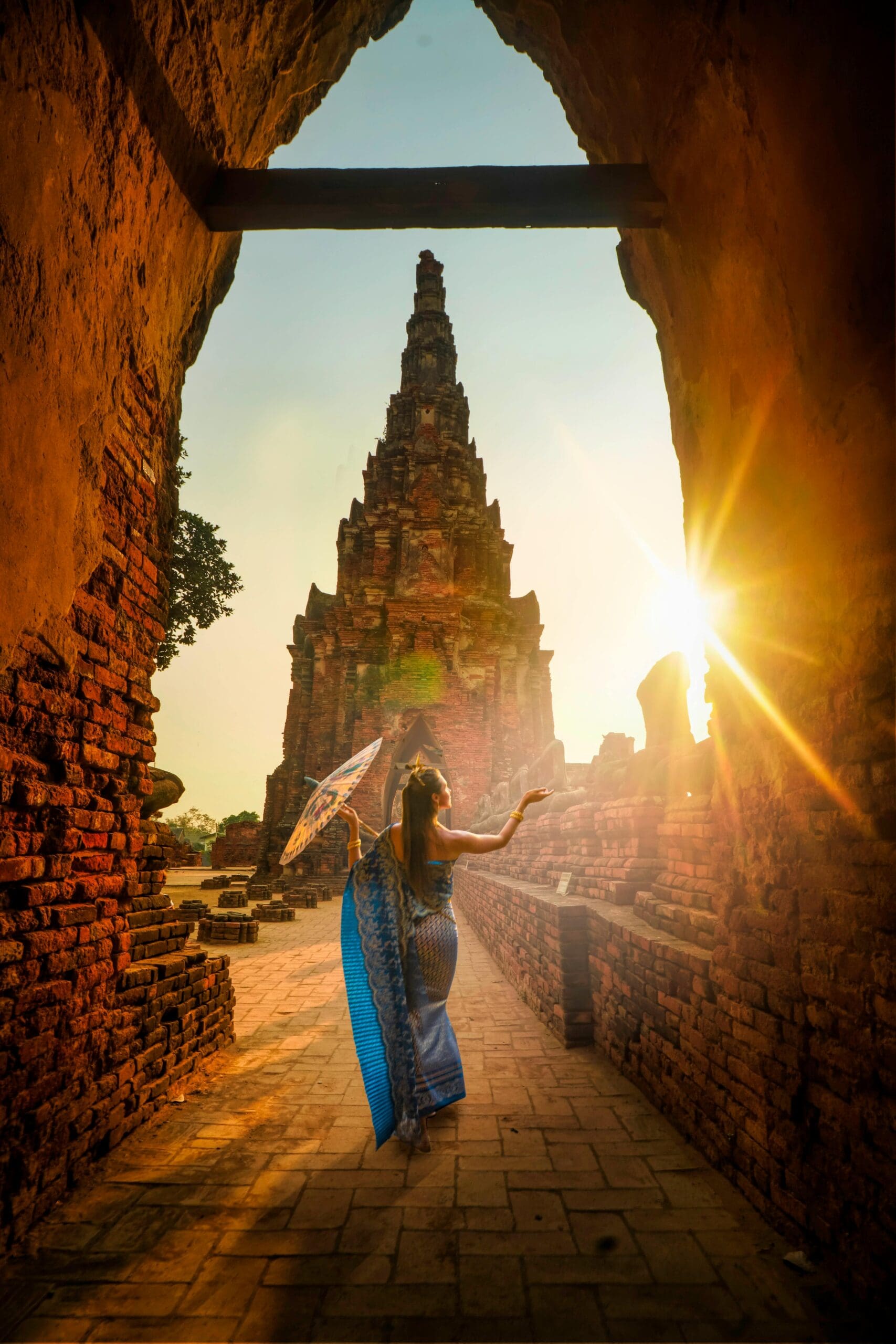
Natural light is beautiful but unpredictable. It changes constantly, is unavailable indoors and at night, and cannot be repositioned to suit your creative vision. Professional photographers use available light when it serves the image, but they are never dependent on it. The ability to supplement, modify, or completely replace natural light with artificial sources is a non-negotiable professional skill.
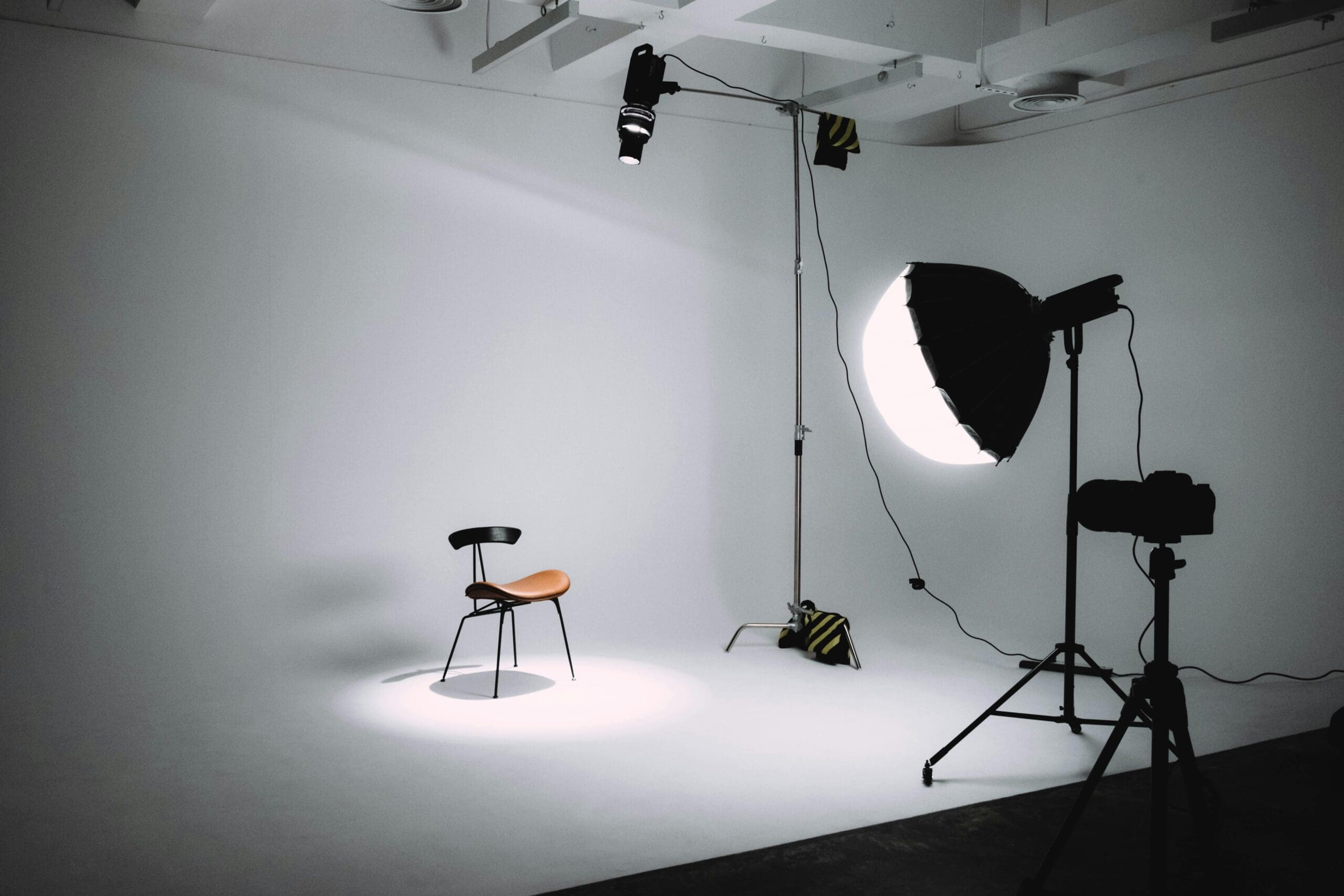
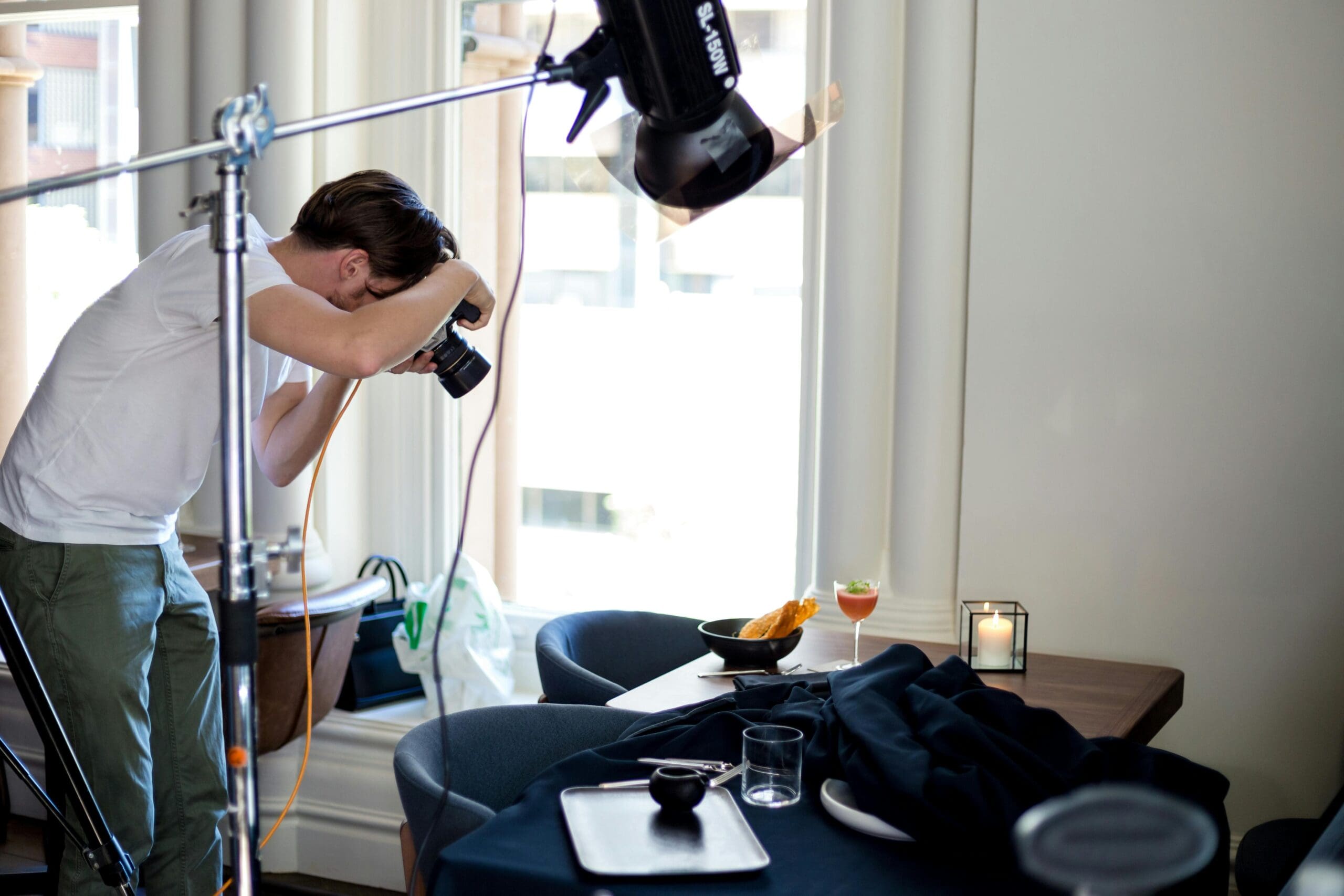
Off-camera flash is the bridge between available light and full studio lighting. A single speedlight mounted on a light stand, triggered wirelessly from your camera, and modified with a small softbox or umbrella gives you the ability to create professional-quality light in virtually any location. It is portable, battery-powered, and versatile enough for portraits, events, products, and editorial work.
A professional photography course teaches you to use off-camera flash as a creative tool rather than a crutch. You learn to balance flash with ambient light, control flash power and direction, and modify flash quality to match the mood and style of your image.
Flash and Ambient Balance
The most natural-looking flash photography is invisible — the viewer cannot tell that artificial light was used. Achieving this requires understanding the relationship between flash exposure and ambient exposure, which are controlled independently.
Your camera settings — aperture, shutter speed, and ISO — control the ambient (natural) light exposure. Your flash power controls the flash exposure. By adjusting these independently, you can create any ratio between flash and ambient light.
For a natural fill flash look, you expose correctly for the ambient light and add just enough flash to fill shadows — typically one to two stops below ambient. The result looks like beautiful natural light with perfectly opened shadows. For a more dramatic look, you underexpose the ambient by one or two stops and use flash as the primary light source, creating a subject that pops against a darker background.
High-speed sync (HSS) allows you to use flash at shutter speeds above your camera’s normal sync speed (typically 1/200 or 1/250). This is essential for outdoor flash work where you need wide apertures for shallow depth of field in bright conditions. Without HSS, shooting at f/2.0 in daylight with flash would require a shutter speed faster than your sync speed allows, resulting in a partially exposed frame.
A professional photography course covers flash-ambient balance through extensive practical exercises. Strobist is a legendary online resource for off-camera flash technique that provides excellent supplementary learning.
Multi-Light Setups on Location
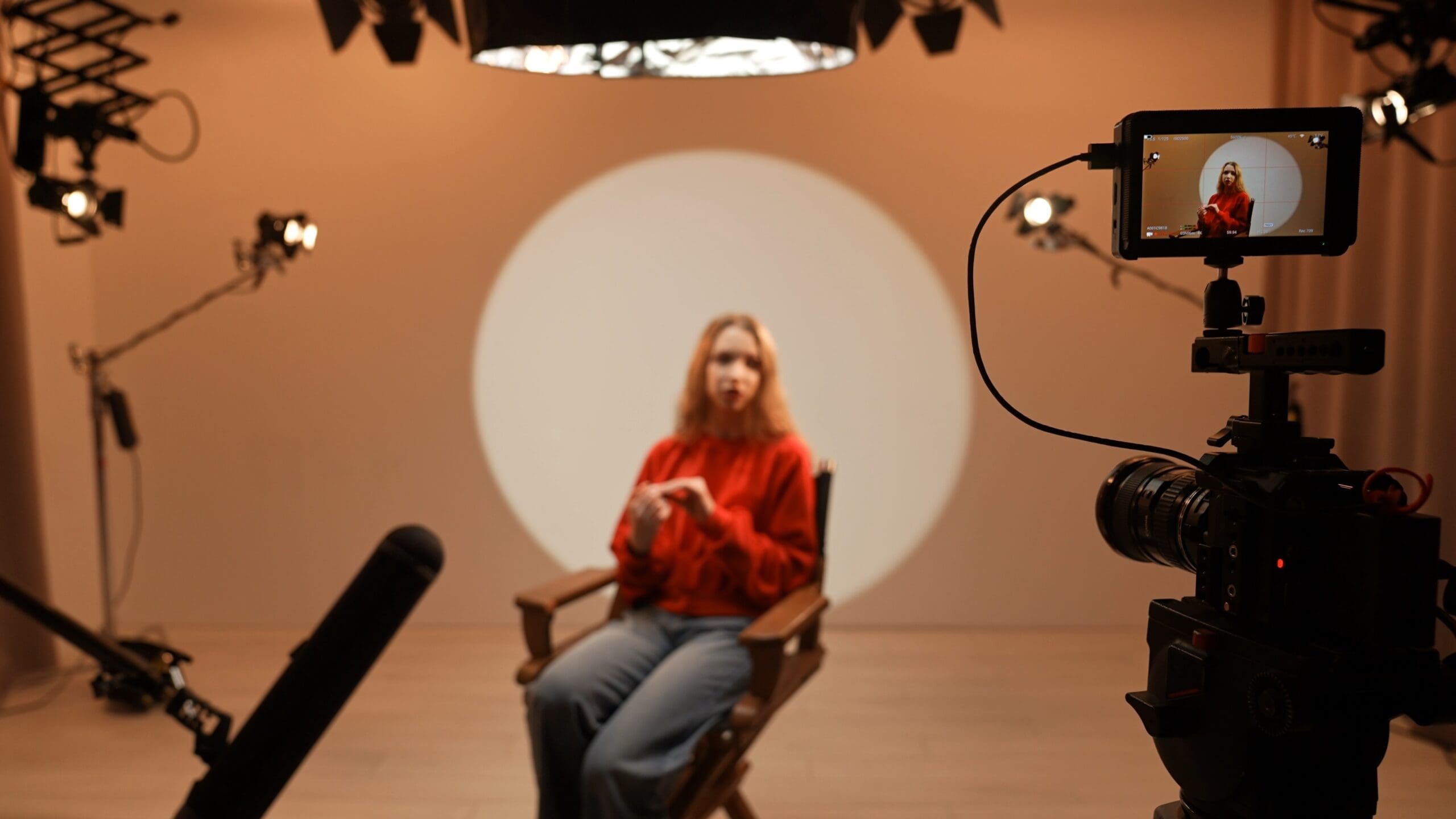
While a single light solves most problems, multiple lights unlock advanced creative possibilities. A professional photography course teaches you to design and implement multi-light setups outside the controlled studio environment.
A two-light location setup commonly uses one light as the key (main illumination of the subject) and a second as a rim or separation light (positioned behind the subject to create edge definition). This combination produces polished, dimensional images in any location — a park, an alleyway, a client’s office, or an event venue.
Three-light setups add background illumination or a second accent light. For editorial and commercial location work, controlling the background separately from the subject gives you the ability to create dramatically lit images that look like they belong in a magazine rather than a snapshot.
The logistics of location lighting — transporting and setting up multiple lights, running extension cords or managing battery power, securing stands in windy conditions, and managing cables in high-traffic areas — are practical skills that separate studio photographers from location professionals. A professional photography course includes location lighting assignments that build this competence.
Mixed Lighting Environments
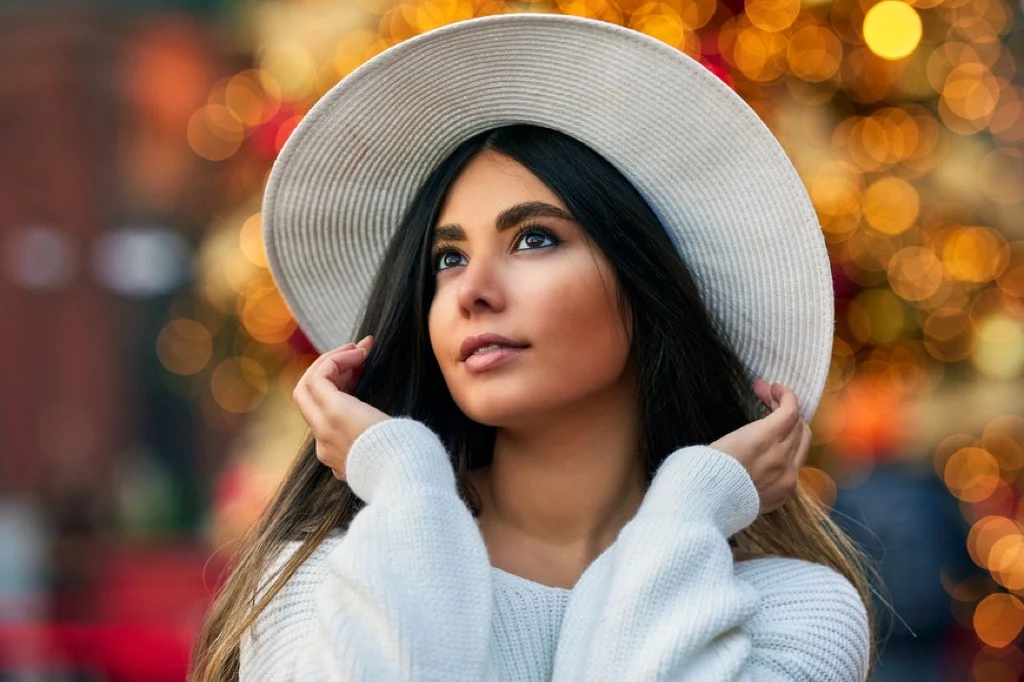
Real-world shooting environments rarely feature a single, consistent light source. Event venues combine tungsten downlights with LED stage lighting and daylight from windows. Corporate offices mix fluorescent overheads with natural light from glass walls. Reception halls use coloured uplighting alongside warm fairy lights and cool DJ lighting.
Managing mixed lighting is one of the most challenging technical skills in professional photography. Each light source has a different colour temperature, and your camera can only set one white balance at a time. The result without correction is an image where some areas appear warm, some appear cool, and some appear green — a colour mess that is difficult to fix in post-production.
A professional photography course teaches you several strategies for managing mixed lighting. Gelling your flash to match the dominant ambient colour temperature is the most effective technique — if the venue has warm tungsten lighting, placing a CTO (colour temperature orange) gel over your flash matches the flash colour to the ambient, allowing you to set a single white balance that looks correct throughout the image.
Overpowering ambient light with flash is another approach — if your flash is the dominant light source and the ambient contributes minimally, colour mixing becomes irrelevant. For situations where neither gelling nor overpowering is practical, shooting in RAW gives you maximum latitude for colour correction in post-production.
Light Shaping and Modification
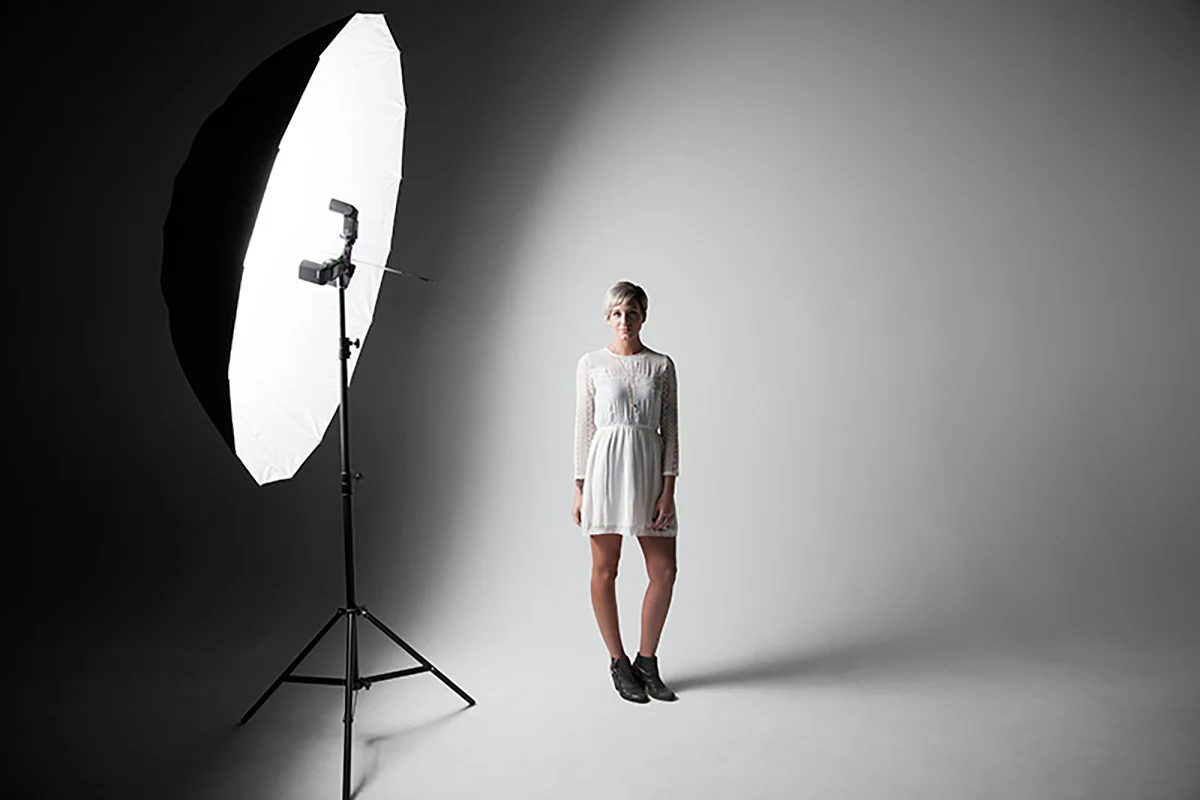
The quality of light — how soft or hard it is, how it wraps around a subject, how it transitions from highlight to shadow — is controlled by modification. A professional photography course builds an advanced understanding of how different modifiers create different light qualities and teaches you to select the right modifier for every situation.
The inverse square law governs how light falls off with distance. Light intensity decreases proportionally to the square of the distance from the source. In practical terms, this means that moving your light closer to the subject creates faster falloff (a bright subject against a much darker background), while moving it further away creates more even illumination across the scene.
Feathering — aiming the edge of your light at the subject rather than the centre — creates softer, more gradual illumination and prevents hot spots. This technique is particularly useful with directional modifiers like softboxes and beauty dishes.
Flagging — using black cards, panels, or fabric to block light from reaching specific areas — gives you subtractive control. Want more shadow on one side of the face? Place a black flag on that side to absorb reflected light. Want to prevent light from spilling onto the background? Flag the edges of your modifier. These refinements are standard in professional and commercial work and are taught in detail in a professional photography course. Profoto’s Academy provides excellent visual resources on advanced light modification.
Creative Lighting Effects
Beyond technically correct lighting, professionals use light to create mood, drama, and visual impact. A professional photography course explores creative lighting techniques that elevate images from well-lit to truly compelling.
Rim lighting — positioning a light behind and to the side of the subject — creates a bright edge that separates the subject from the background and adds dimensionality. When the rim light is the dominant source and the front of the subject falls into shadow, the result is a moody, editorial look.
Gobo lighting uses patterned objects (window blinds, foliage, perforated screens) between the light source and the subject to create patterned shadows across the scene. This technique adds visual texture and interest and mimics the natural light patterns of window blinds or tree canopies.
Coloured gels transform the mood of an image entirely. A blue gel on a background light creates a cool, dramatic atmosphere. An orange gel adds warmth. Complementary colour combinations — blue and orange, purple and gold — create striking visual contrast. Gels are inexpensive, lightweight, and dramatically expand your creative palette.
Practical Application: Event and Wedding Lighting
Events and weddings present the ultimate lighting challenge — variable conditions, no time for elaborate setups, and the need to capture moments as they happen. The lighting skills developed in a professional photography course are tested and refined in these high-pressure environments.
Bounce flash — firing your speedlight at a ceiling or wall so that it reflects back as a large, soft light source — is the workhorse technique for event photography. The quality of bounced flash is dramatically better than direct on-camera flash, and it works in any venue with light-coloured ceilings or walls.
Dragging the shutter — using a slow shutter speed with flash — allows ambient light from venue lighting to register in the image while the flash freezes the subject. The result is an image that captures the atmosphere and colour of the venue rather than the flat, dark-background look of straight flash. This technique requires practice to execute reliably, particularly while moving through a crowded event, and a course provides the guided practice needed to master it.
Master Light in Every Situation
Advanced lighting skill is the defining capability of a professional photographer. It gives you creative freedom in any environment and the confidence to deliver outstanding results regardless of conditions. If you are ready to take complete control of light, explore the Professional Photography Course at Australian Photography School. With comprehensive training in natural light, flash, studio lighting, and creative techniques — plus a professional camera included and expert tutors — you will develop the lighting mastery that separates professionals from amateurs. Enrol today and illuminate your photography career.